Adobe Acrobat
How to draft a Statement of Work for client projects: An SOW guide.
A Statement of Work (SOW) sets the tone for success by outlining the scope, deliverables, and timelines before work begins. Learn how to draft one, use pre-made templates, and send it in the most professional way possible.
Published by Adobe Acrobat India on 5 Janury 2026
Every successful project starts with a clear plan. A statement of work (SOW) helps you map out what needs to be done, when it’s due, and how much it will cost, so there’s no confusion along the way.
With Adobe Acrobat’s ready-to-use statement of work templates, it’s easier to design a professional roadmap that keeps your team focused and your workflow efficient. Discover how a solid SOW can streamline every stage of your project and strengthen team productivity.
What is a Statement of Work (SOW)?
A Statement of Work (SOW) is a formal document that outlines the details of a project or contract between a client and a service provider or vendor. It clearly defines the expectations between parties to make sure everybody is on the same page before any work begins. In essence, an SOW acts as a safeguard against miscommunication, delays, and legal disputes.
Key sections to include in a standard SOW format:
While a statement of work can be customised depending on the application and industry, what should be included in one remains the same.
Project objectives.
Begin by outlining the project's purpose and its intended objectives. Keep it concise but clear enough for anyone reading the document to understand the project’s intent and expected outcomes.
Scope of work.
The scope defines what’s included (and equally important, what’s not included) in the project. Detail the activities, processes, and limitations of the engagement to ensure there’s no misunderstanding about deliverables or responsibilities.
Deliverables.
List the specific outputs or results the client will receive. These could include reports, designs, campaigns, software modules, or other tangible outcomes. For each deliverable, specify key details, such as quantity, format, or specifications to make expectations measurable and verifiable.
Roles and responsibilities.
Specify who is responsible for what. This includes both your internal team and the client’s side.
Locations and logistics.
List where the project activities will take place and include key logistical details, such as travel requirements, shipping or delivery arrangements, access permissions, and equipment handling.
Timeline and resources.
Provide a detailed schedule that includes milestones, deadlines, and dependencies. Identify key resources (such as personnel, software, or materials) required to complete the project.
Payment terms.
Outline how and when payments will be made. Specify the total cost, instalment schedules, payment methods, and any conditions tied to project milestones or deliverable approvals.
Signatures.
Conclude your SOW with a section for signatures from both parties. This formal approval indicates mutual agreement and commitment to the outlined terms. With Adobe Acrobat, you can streamline this process with secure e-signatures, ensuring faster and more professional completion.
Why is a Statement of Work important?
A Statement of Work helps set the foundation for smooth, transparent client projects. It keeps teams aligned, protects your business, prevents misunderstandings, and strengthens trust with clients. Here’s why it matters:
- Brings clarity and alignment: An SOW outlines what’s included in the project, who’s responsible for what, and when each deliverable is due. With everything clearly defined, there’s less confusion and fewer missed expectations.
- Prevents disputes: A detailed SOW helps manage client requests, prevents scope creep, and provides a clear point of reference if issues arise.
- Offers legal protection: Once signed, your SOW becomes a binding agreement that defines project terms and payment conditions. It gives both sides peace of mind and helps resolve conflicts quickly and fairly.
- Builds professionalism and trust: A well-structured SOW shows that you work with transparency and accountability, which are qualities clients value in a long-term partner.
Downloadable Statement of Work templates.
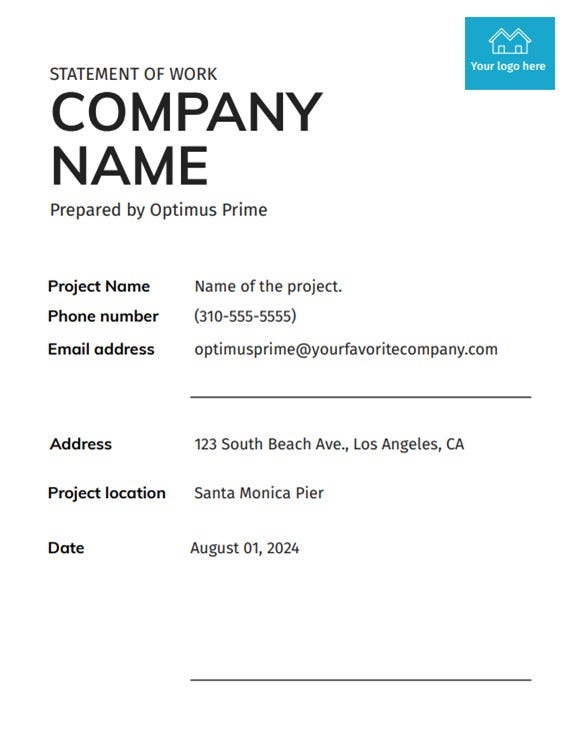
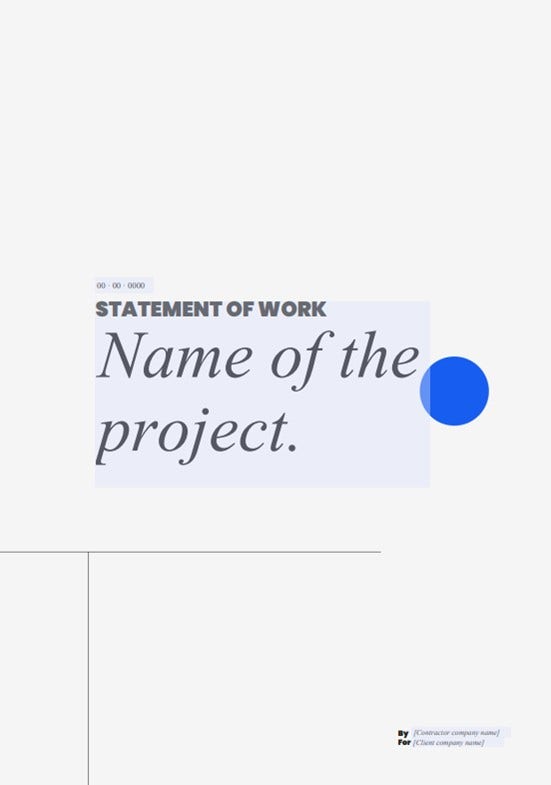
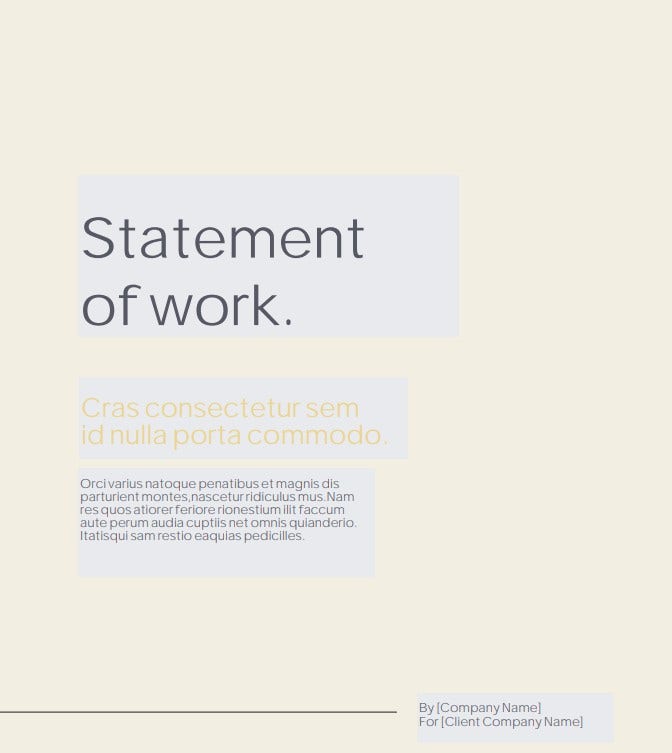
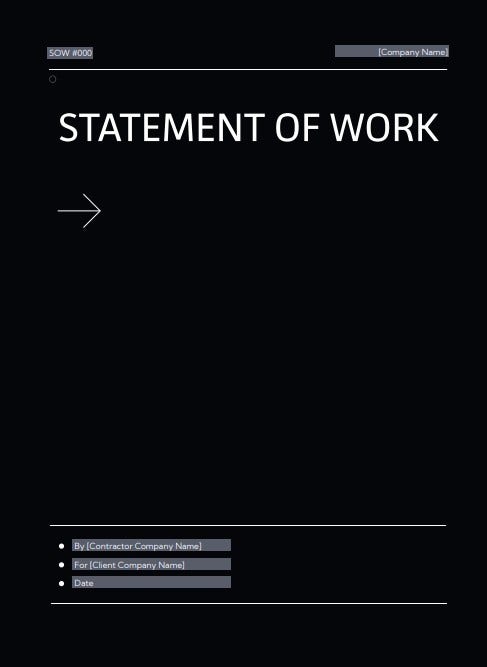
Creating a clear and detailed SOW document can be tedious. With Adobe’s collection of statement of work sample PDFs, you don’t have to start from scratch. Download a template, adapt it to your project requirements, and share it with your team or clients in a professional, polished format.
How different teams benefit from a Statement of Work.
A well-written SOW isn’t just for large corporations. It’s a vital tool for any business that manages client projects. Whether you’re running a small creative agency or delivering IT services, an SOW document helps set expectations, define deliverables, and protect both parties from misunderstandings. Here’s how different types of teams can make the most of a solid SOW format:
-
Small businesses and startups.
For small businesses offering services, an SOW document helps formalize agreements and add professionalism. It outlines pricing, timelines, and deliverables so clients know exactly what to expect. For example, a design studio can use an SOW to define a logo design package, listing inclusions, revisions, and delivery milestones for clients. -
IT and software development teams.
In technology projects, an SOW helps define technical requirements, testing phases, and deployment timelines. Specifying system integrations, resource allocations, and support periods can not only minimize project delays, but also ensure clear accountability between development teams and clients. -
Consultants and freelancers.
Because independent professionals often face scope-related challenges, an SOW format is critical as it documents exactly what services are included, how feedback will be managed, and when payments are due. For instance, a consultant can attach an SOW document to a proposal to outline strategic planning sessions, deliverables, and reporting schedules. -
Construction and field service providers.
For hands-on industries where work happens across multiple sites, including locations and logistics in the SOW is crucial. It helps coordinate timelines, travel, materials, and site access. -
Government and public sector projects.
SOWs are mandatory in most government contracts to ensure accountability and transparency. For instance, India’s GeM Portal that facilitates access to government procurement markets requires an attached SOW as a bidding requirement, along with sellers’ PAN Cards, GST Registration Certificates, and other relevant documents.