DOCUMENT CLOUD

How to make a student portfolio that stands out.

A strong student portfolio helps showcase more than grades alone. Learn how to build one that successfully highlights your projects, achievements, skills, and experiences and helps you get the results you want.

Explore Adobe Acrobat

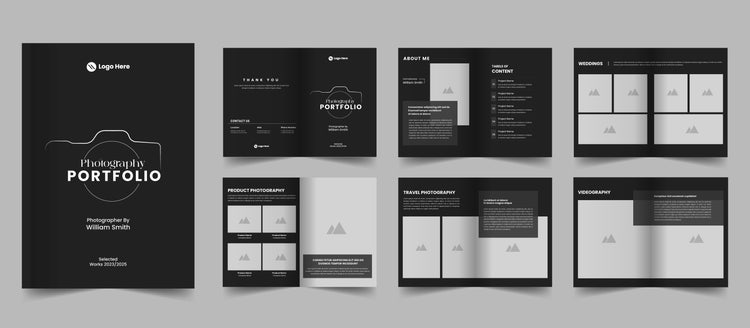
Student portfolio sample layout with black cover and photo sections for photography students.

What is a student portfolio?

A student portfolio is a purposeful collection of work that showcases your learning, skills, achievements, and growth over time. Unlike a resume or CV, which lists qualifications and experiences, a portfolio provides evidence of what you have accomplished through projects, research papers, presentations, certifications, internships, extracurricular activities, and other work.

Why student portfolios matter in India.

As competition for university admissions, internships, and graduate roles continues to increase across India, students need more than strong marks to distinguish themselves. A portfolio provides tangible evidence of your abilities and demonstrates how you've applied your knowledge beyond the classroom. A well-structured portfolio can help you:

  • Apply for undergraduate and postgraduate programmes
  • Stand out during campus placement drives
  • Secure internships with start-ups and established organisations
  • Showcase technical, creative, and leadership skills
  • Support applications for scholarships and fellowships
  • Demonstrate personal growth, initiative, and real-world experience

How to make a student portfolio: a step-by-step guide.

Follow these steps to create a portfolio that is relevant, professional, and ready to support applications for university admissions, internships, scholarships, or campus placements.

  1. Decide what your portfolio is for.

    Start by defining the purpose of your portfolio. Are you creating it for university applications, internships, scholarships, research opportunities, or job placements? Understanding your goal will help you present your work in the most relevant way.

  2. Select your strongest work.

    Review your academic, professional, and extracurricular experiences, then choose the examples that best demonstrate your skills, achievements, and growth. Prioritise quality over quantity by including only your most relevant and impactful work.

  3. Choose a portfolio format.

    Decide how you want to present your portfolio. You can create a digital portfolio using a personal website, portfolio platform, or PDF document. Select a format that is easy to access and suitable for your intended audience.

  4. Create a clear and professional design.

    Use consistent fonts, colours, headings, and spacing throughout the portfolio. Ensure that each section is easy to navigate and that important information is presented clearly.

  5. Review, proofread, and update regularly.

    Before sharing your portfolio, check for spelling, grammar, formatting, and factual errors. Update it regularly with new achievements, projects, certifications, and experiences to keep it relevant and current.

What to include in a student portfolio.

A student portfolio should be presented in a clear, organised way. While the exact content will vary depending on your goals, most portfolios include a mix of academic work, projects, certifications, practical experience, and extracurricular activities. The key is to focus on evidence that supports your strengths and highlights your potential.

Section
What to include
Cover page and bio
Your full name, course or stream, school or university, graduation year, and a brief introduction outlining your interests, goals, and strengths.
Resume or CV
A PDF version of your latest resume or CV that summarises your education, experience, skills, and achievements.
Projects and case studies
Three to five of your strongest projects. For each, include the problem, your role, tools used (such as Python, MATLAB, Canva, or Figma), outcomes, and key learnings.
Learning reflections
A short summary explaining what you learned from each project and how it helped you develop academically, professionally, or personally.
Internships and work experience
Organisation name, duration, responsibilities, key achievements, and skills gained. This could include work with start-ups, NGOs, local businesses, or multinational companies.
Certifications and awards
Relevant certificates from providers such as NPTEL, SWAYAM, Coursera, Microsoft Learn, or Google Career Certificates, alongside academic awards, hackathon wins, scholarships, and workshop participation.
Extracurricular activities
Leadership roles, volunteering, sports, student clubs, community projects, and other activities that demonstrate transferable skills and personal development.
Contact information
A professional email address, LinkedIn profile, personal website or portfolio link (if applicable), and other relevant contact details.

Student portfolio checklist.

Before sharing your portfolio, check the following:

  • Cover page and introduction
  • Updated resume or CV
  • 3-5 strong projects
  • Internship or work experience details
  • Relevant certifications and awards
  • Extracurricular achievements
  • Contact information
  • Consistent formatting
  • Proofread content

Common mistakes to avoid when creating a student portfolio.

When learning how to make student portfolio documents, it's easy to fall into a few common traps. Keep these points in mind to create a portfolio that's focused, professional, and easy to review:

  • Including everything you've ever done: Select your strongest and most relevant work rather than every assignment, certificate, or activity.
  • Using inconsistent formatting: Different fonts, layouts, and heading styles can make your portfolio look disjointed and harder to navigate.
  • Writing long project descriptions: Keep explanations concise and focus on the problem, your contribution, and the outcome.
  • Not explaining your role: For group projects, clearly state what you contributed and the skills you developed.
  • Submitting multiple files: Presenting projects, certificates, and supporting documents in one organised portfolio creates a more seamless experience for reviewers.
  • Ignoring outcomes and learnings: Don't just describe what you did. Highlight what you achieved, learned, or improved.
  • Forgetting to update your portfolio: Add new projects, certifications, internships, and achievements regularly to keep it current.
  • Overlooking proofreading: Spelling, grammar, and formatting errors can distract from otherwise strong content.

Everything you need to succeed as a student.

Study smarter, build in-demand skills, explore AI-powered learning tools, and prepare for what comes next.

Frequently asked questions.

More resources

Ace that with Acrobat.

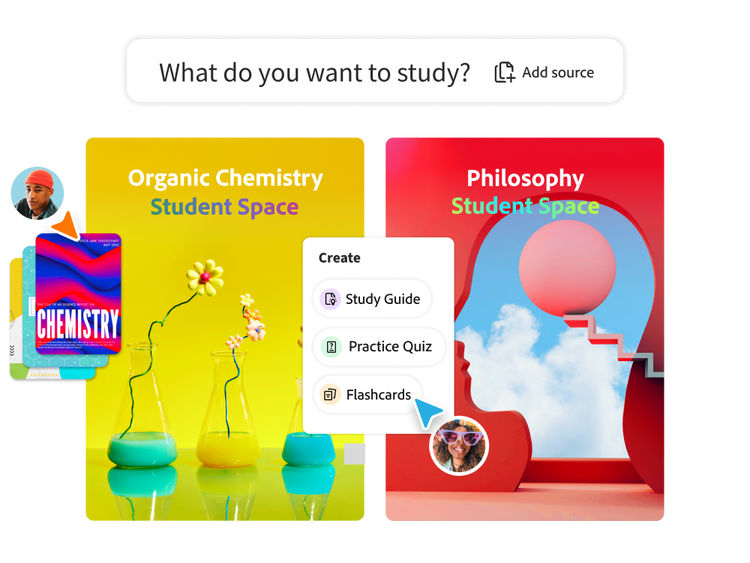
Student Spaces is a smarter way to study. Turn notes into podcasts, use AI assistant as a tutor and learn with your study group. Free for students.

Explore now