

Adobe Firefly
The next evolution of creative AI is here for all your ideas, with image, video, audio and vector tools.


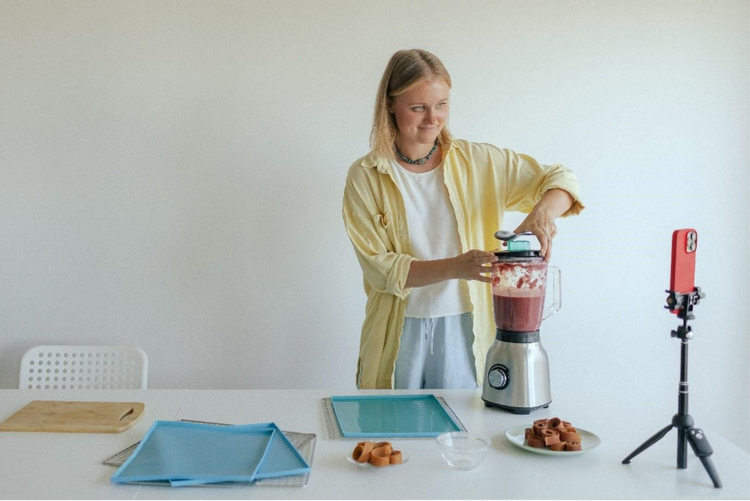
User-generated content (UGC) ads have become one of the most effective ways for brands to connect with modern audiences. In a digital-first market like India, for instance, where consumers spend hours daily on social platforms, UGC ads feel more authentic, relatable, and trustworthy than traditional advertising. These ads mirror real people, real experiences, and real opinions.
With the rise of AI-powered creative tools, brands no longer need to rely solely on creators or large production budgets to scale UGC ads. With tools like Adobe Firefly, businesses can create UGC-style content quickly, cost-effectively, and in a brand-safe way.
UGC ads are paid advertisements designed to look and feel like user-generated content. Rather than appearing as obvious brand promotions, they mimic the style of everyday social posts. They often feature casual language, natural visuals, and first-person storytelling. This format helps brands blend seamlessly into social feeds, increasing engagement and reducing ad fatigue.
Key characteristics of UGC ads:
UGC ads leverage social proof and relatability. When users see content that looks like it was created by someone just like them, they are more likely to trust the message and engage with the brand. Instead of being “sold to,” viewers feel like they are receiving a recommendation.
From a performance perspective, UGC ads are highly effective across the marketing funnel:

UGC ads come in many formats, allowing brands to choose the style that best fits their platform, audience, and campaign goals. In India’s diverse digital ecosystem, users engage with content across video, images, and text. This makes it essential to explore multiple UGC ad types to make brands feel relevant and relatable for broad audiences.
Video is the most powerful UGC format, especially on platforms like Instagram Reels, YouTube Shorts, and Facebook. Video UGC ads feel natural in social feeds and allow brands to demonstrate value quickly.
Common video UGC ad formats:
Image-based UGC ads focus on authenticity over perfection. Instead of high-quality, professionally taken photos, these visuals show products in real-life settings and applications. Showcasing products in everyday environments, such as homes, offices, or local settings, help make them feel more familiar and accessible.
For example, a buyer posts their OOTD on Instagram or WhatsApp to showcase their Meesho fashion item finds. Instead of feeling like an ad, these images resemble peer recommendations. Additionally, image UGC is highly shareable, often repurposed across various social media platforms, giving marketers a cost-effective way to generate authentic content at scale.
Written UGC ads leverage real words from real users. Unlike traditional ad copy, these formats showcase genuine opinions, experiences, and feedback. They are effective because consumers often research extensively before making purchases and rely heavily on peer insights, reviews, and recommendations.
Key formats include:
These UGC ads combine authenticity with engagement or participation, encouraging users to interact while remaining platform-native. Contests and giveaways are a common type of interactive UGC ads. These campaigns invite users to actively participate by creating content themselves. Participants might submit videos, images, or short stories showcasing how they use a product, often under a branded hashtag. Some notable examples over the past years:
AI tools now go beyond basic automation: they assist with ideation, visual generation, video creation, editing, and optimisation. These advancements enable companies to leverage AI to create advertisements, particularly UGC-style content that feels authentic, relatable, and native to social platforms.
Instead of replacing human creativity, AI acts as a force multiplier that helps marketing teams work faster, test more ideas, and respond to trends as fast as possible. AI makes it possible to:
Adobe Firefly is designed to help brands create AI-powered UGC ads that are scalable, brand-safe, and ready for commercial use. From early ideation to final execution, Firefly has the tools to make sure content aligns with legal and creative standards while retaining originality.

Creatives can create realistic, lifestyle-focused visuals that mirror daily life in homes, offices, cafés, or local streets. This Text-to-Image feature enables teams to use prompts to gain full control of the end result, giving instructions regarding art style, colour, theme, and other visual elements.
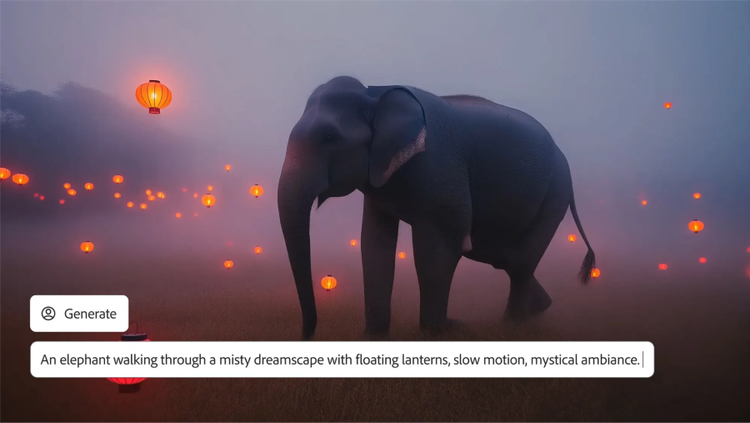
Firefly enables brands to generate short-form, UGC-style video content suitable for Instagram Reels, YouTube Shorts, and Facebook. These videos can replicate common UGC formats such as product demos, testimonials, or “day in the life” moments without the need for extensive filming. Users have the option to generate AI videos using text prompts or images, giving them freedom to create with or without existing assets.
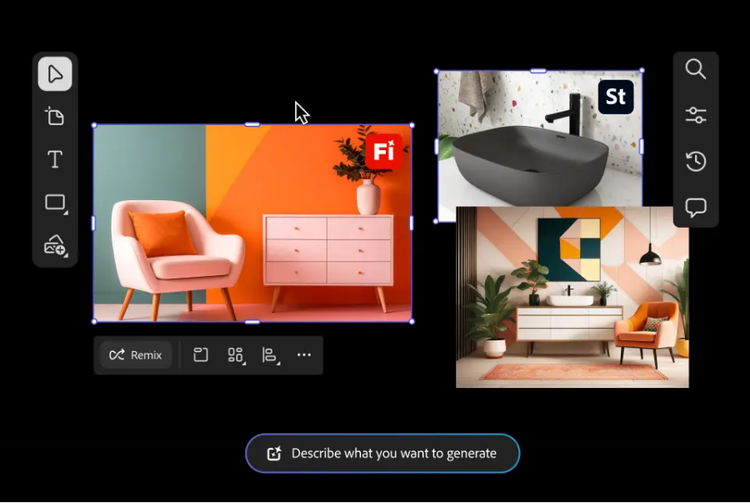
Before launching a campaign, teams can use Firefly to quickly visualise concepts through AI-generated storyboards and moodboards. This helps align stakeholders, creators, and agencies on tone, aesthetic, and messaging before going full steam ahead on a project. This is especially useful for fast-moving campaigns tied to Indian festivals or sales events.
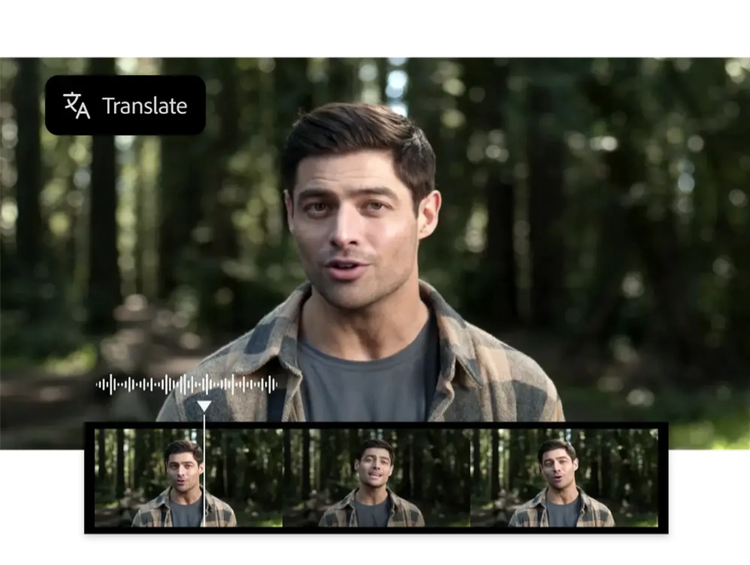
For a diverse market like India, Firefly makes it easier to localise UGC ads by adding AI-powered voiceovers or dubbing content into different languages. This allows brands to adapt the same UGC concept to other regional audiences without needing to produce all-new content from scratch. This also allows brands to deliver messages that sounds natural and relatable, which leads to trust and better engagement.
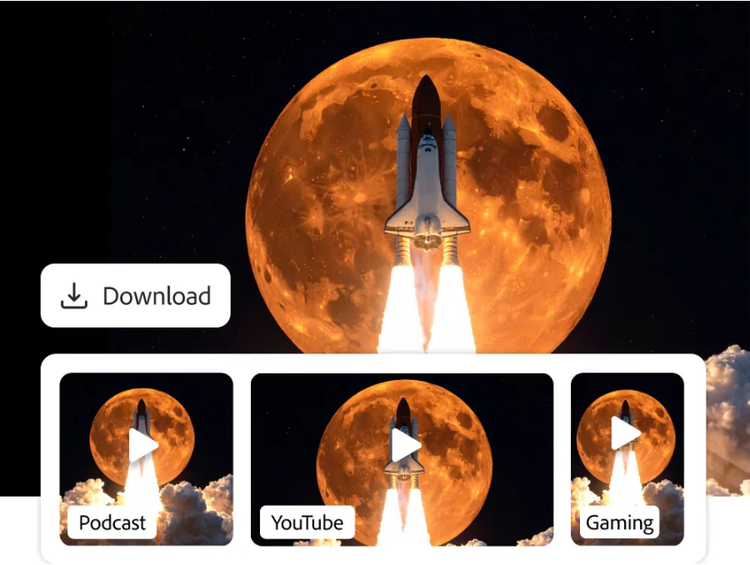
Firefly can assist with adding background music or audio elements that enhance short-form UGC videos. AI analyses the footage and generates music to match your story, tone, and vibe. Users can select from Firefly-provided prompts or enter their own, allowing ads to feel more native to social platforms without manual editing.
Firefly works directly within Adobe Express, Photoshop, Illustrator, and other Creative Cloud apps, so teams can create and scale campaign assets faster without switching tools. This means users can preserve brand colours, logos, and visual identity and maintain consistency while producing high-volume content across regions, languages, and platforms.
UGC ads succeed because they feel real. On social platforms, audiences are quick to scroll past content that looks overly staged or generic. What consistently resonates are stories that reflect everyday moments, local contexts, and familiar challenges.
Here are some key best practices when creating UGC:
In India, short vertical videos dominate consumption, from Instagram Reels to YouTube Shorts. Content should get to the point quickly, with clear visuals and a strong opening hook that works even on low attention spans and varying network speeds.
Many users watch without audio, and language preferences vary by region. Subtitles, on-screen text, and visual cues help make content accessible, while allowing brands to adapt messaging into Hindi, Tamil, Telugu, or Hinglish without changing the core creative idea.
The strongest UGC reflects everyday situations: commutes, family routines, festivals, or small wins at work. Visual planning tools like storyboards and moodboards can help teams map these moments in advance to ensure content feels relatable across regions while staying aligned with brand guidelines.
There is no single format that works everywhere. Testing different hooks, visuals, and narratives is essential, particularly when running campaigns across cities, languages, and platforms. The ability to quickly generate and adapt creative variations helps brands respond to performance insights without slowing down production.
Based on your location, we think you may prefer the United States website, where you'll get regional content, offerings, and pricing.

