ACROBAT FOR BUSINESS | 6-MINUTE READ
What is an engagement letter and how to write one.
Create stronger client relationships by setting expectations.

What is an engagement letter?
Business letters come in many forms, each with a unique purpose and format. Welcome letters share the lay of the land for new hires. Order letters alert a company to a product sale. Termination letters officially end a working relationship. So, what is an engagement letter, and how is it unique?
A letter of engagement acts as a binding document. Both parties sign and agree to the terms in the letter. Once signed, each side is responsible for upholding their end of the engagement.
How does a letter of engagement work?
An engagement letter is a contract between a business and its client. Unlike a formal contract, it is usually more concise. These letters forgo dense legal jargon and simply state the most crucial elements of an agreement.
What to include in an engagement letter.
A quick internet search will deliver an engagement letter sample for almost any industry. If you don’t want to start from scratch, using a business letter template is also an excellent option. As you customize an engagement letter for your business and client project, be sure to include the following elements:
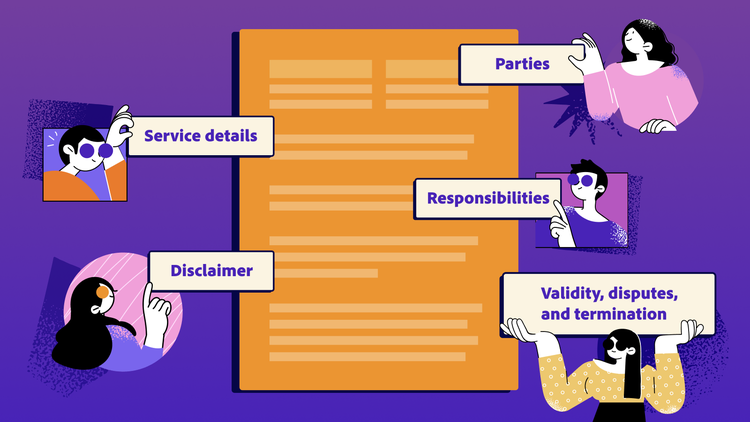
- Parties. State which parties are entering into the agreement. In a simple engagement letter, two parties are involved — your business and your client. You should also include identifying and contact information, including legal entity names, physical addresses, preferred phone numbers, and even specific individuals who will act as points of contact for each company.
- Service details. State what service the business will provide to the client. Clearly define the scope of the agreement, including the timeline, deadlines, deliverables, and fee structure. Define what will happen for the agreement to be considered complete.
- Responsibilities. State any specific responsibilities each party must uphold for the project to be successful. For example, the client could provide certain information to the business by a designated date so that the project will stay on schedule. This section could also include expectations for communication between the parties, such as responding to inquiries within a set amount of time, what channels of communication will be used, and standards for how representatives from each party will be treated.
- Disclaimer. This section is your opportunity as the service provider to define what you will and won’t be doing in the project. For example, a content marketing agency might detail that they will complete the written copy for an eBook but will not be responsible for the graphic design.
- Validity, disputes, and termination. State how long the engagement letter is valid. You can list a specific date or write that the agreement is valid until the project or service is complete. Consider listing the procedures for each party to follow if disputes arise during the engagement. State the circumstances under which a termination of the agreement is acceptable and give details for how the parties will exit the deal.
What industries use a letter of engagement?
The great thing about engagement letters is their flexibility and accessibility. Virtually any business can use an engagement letter, but companies that provide professional services use them the most. Business consultants, accountants, lawyers, and agents use engagement letters as the basis of their working relationships with their clients. It’s also not uncommon to see engagement letters used in industries like manufacturing as precursors to purchase orders (POs) and statements of work (SOWs).
Advantages of using a letter of engagement.
A letter of engagement sets expectations at the start of the client relationship and provides many advantages:

Offers transparency.
Both parties know the agreement, what to expect, and how to work together. They both clearly understand their respective responsibilities.

Keeps projects in scope.
The scope of a project or relationship is clearly defined, which prevents either side from asking for or taking more than what was agreed upon at the outset.

Makes costs predictable.
Clients are protected from hidden fees or surprise costs. Businesses have a set fee and pay structure, which gives them a solid foundation for requesting and receiving payment.

Smooths onboarding.
An engagement letter gives clients a personalized experience and a clear kickoff point for their relationship with your business. It builds confidence between the two parties by defining expectations and setting boundaries.

Reduces misunderstandings.
The information in a letter of engagement ensures clear communication and targets common areas of misunderstanding to resolve issues before they arise.

Mitigates risks.
Because engagement letters are binding and enforceable documents, if a party fails to meet its obligations, the other party can seek damages.
Engagement letter FAQs.
How is an engagement letter different from a letter of intent?
Letters of intent and letters of engagement are formal business letters used to set expectations between two parties. However, they serve distinct purposes at different phases of the contract process.
A letter of intent is sent early in the contract process to outline where each party stands and clarify their intentions. You’ll find them commonly used when a business is looking to create a new partnership, merge with another business, acquire a business or assets, or start negotiating a deal. A letter of intent shows that both parties are serious about pursuing a mutual agreement, but it isn’t a binding document. Instead, it provides a framework for the negotiations and formal agreement to come. It ensures that both sides are aligned on goals and basic terms before they invest extensive time and resources into negotiating a final deal.
A letter of engagement, on the other hand, is a binding agreement formalized between both parties. It clearly defines aspects of an engagement like scope, rates, timelines, terms, and conditions. It establishes the contractual relationship after negotiations are complete.
Think of these two letters as bookends — the letter of intent at the beginning of the discovery process and the letter of engagement at the final stages of closing the agreement.
Does an engagement letter replace a contract?
An engagement letter is a binding document. It is, for all intents and purposes, a contract. However, engagement letters are typically less formal and lengthy than traditional contracts.
Some businesses may operate only under an engagement letter, but many will use the agreed-upon elements in a signed engagement letter to draft a more extensive formal contract. Having the engagement letter signed allows both businesses to expedite the kickoff process and begin internal preparations for deliverables while the final contract goes through drafting and legal reviews instead of waiting to start.
Who signs the engagement letter first?
It doesn’t matter who signs the engagement letter first as long as both parties sign. Typically, the party sending the letter signs it first and then sends it to the second party. So, if you are a law firm sending an engagement letter to a client, your firm would draft, sign, and send it to your client for their signature. The client would either reply with the requested changes or sign the engagement letter in agreement.
Does an engagement letter need to be signed?
Yes. The engagement letter is just a letter without signatures. Nothing in the letter is enforceable without signatures from both parties.
When do you need a new letter of engagement?
Letters of engagement typically include a validity or termination clause. This clause might state a specific date that the project or partnership is closed or what benchmarks must be met for it to be considered complete.
For long-term engagements, many businesses update engagement letters annually and get new signatures from their clients. A new letter of engagement should be signed with changes to scope, costs or fees, or the service agreement.
Who can write a letter of engagement?
While anyone can draft a letter of engagement, most businesses have their letters reviewed by a legal professional before signing and sending them to clients. Drafting your engagement letters with Acrobat makes it simple for your team or a legal expert to review and make changes. Then, you can send the letter to your client for signing.
Keep exploring
https://main--dc--adobecom.hlx.live/dc-shared/fragments/seo-articles/acrobat-color-blade