Adobe Acrobat
How to write and send a letter of demand for late payments.
Late payments disrupt cash flow and slow down growth. Learn how to draft accurate demand letters quickly, so you recover money faster and keep operations running smoothly.
Published by Adobe Acrobat India on 5 Janury 2026
For small businesses in India and all over the world, late payments are a big challenge. They affect cash flow, delay salaries, and slow down growth. While maintaining good client relationships is important, addressing overdue invoices is equally vital for keeping your business running smoothly. When reminders are not enough, a formal letter of demand helps set clear expectations and encourages timely payment.
Here’s a complete guide to understanding, writing, and sending one effectively.
What is a letter of demand?
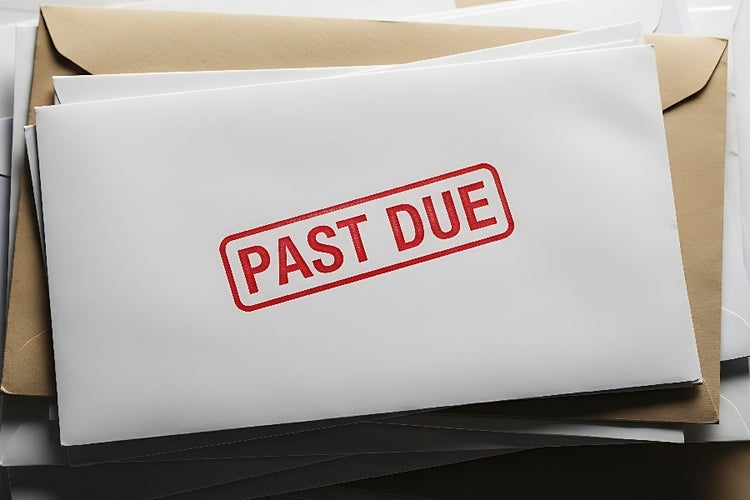
A letter of demand for outstanding payment is a formal communication sent to a client who has failed to pay within the agreed timeframe. It serves as both a final reminder and a warning that legal or other actions may follow if payment is not made promptly.
Why write a letter of demand?
A letter of demand helps you recover overdue payments professionally before taking legal action. It shows that you have made a formal attempt to resolve the issue, creates a clear record of communication, and serves as evidence for court, demonstrating that you made reasonable efforts to settle the dispute before escalation.
A letter of demand is a serious step that can affect business relationships, so it is important to write it clearly, accurately, and professionally.
Key components of a letter of demand.
A well-written demand letter should include all the necessary details to avoid misunderstandings and show that your claim is legitimate.
- Explanation of debt: All the details of the debt, such as the amount, invoice number, agreed payment terms, date of missed payment, or invoice issued
- Deadline of payment: A specific date by which payment of debt is expected to be made
- Consequences of non-payment: Potential legal actions, suspension or cancellation of services, interest charges, and more
- Document attachments: Supporting documentation, such as copies of contracts, previous payment requests, and original invoices
- Contact information: Includes business name, address, email, phone number, and other means of contact
It’s also common to include the client’s GST number or reference to the original purchase order (PO) to make your claim more traceable and compliant with accounting records.
How to write a letter of demand for outstanding payment.
Writing an effective letter of demand requires more than just listing the amount owed. You need to communicate your expectations clearly while maintaining professionalism. Here’s a simple guide to help you get started:
-
Start with a clear heading and reference.
Include your business name, address, and contact details, followed by the date and recipient’s information. Add a subject line such as “Letter of Demand for Outstanding Payment – [Invoice Number]” to make the purpose clear from the start.
-
Open with a professional introduction.
Politely remind the client of your previous communication or agreement. A simple opening could go like “We refer to our invoice dated [date] for the amount of ₹[amount], which remains unpaid despite prior reminders”.
-
State the amount due and payment details.
Be specific about the overdue amount, due date, and any reference numbers. If there are multiple invoices, list them clearly or attach a summary sheet for easy reference.
-
Specify the deadline for payment.
Give the client a clear timeline to settle the debt to create a sense of urgency and set expectations for resolution.
-
Outline the consequences of non-payment.
Briefly explain what steps you may take if payment is not received, such as charging late fees, suspending services, or pursuing legal action.
-
Include supporting documentation.
Attach copies of the relevant invoices, contracts, or prior correspondence to strengthen the validity of your claim and make it easier for the recipient to verify the details.
-
Review before sending.
Double-check all names, dates, figures, and attachments for accuracy. Even minor errors can undermine the letter’s credibility or give the client a reason to delay payment.
How to create a demand letter template.
Instead of drafting a new letter each time, create a reusable demand letter template using tools like Adobe Acrobat. Here’s how:
- Open a blank PDF or use a ready-made business letter template.
- Add editable fields for client name, invoice number, amount due, and deadline.
- Insert your business logo, signature, and contact details.
- Save the file as a fillable template to reuse for future overdue cases.
Using a PDF template ensures consistency and professionalism, helping you maintain a firm yet respectful tone across all client communications.
How to send a demand letter for money owed.
Once you’ve reviewed your letter and attached all supporting documents:
-
Sign your PDF.
You can use Adobe Acrobat’s Fill & Sign tool to securely add your signature without the need to print or scan.
-
Send through official channels.
Nowadays, email is acceptable for most business communications, but you can always send via registered post or courier for formal confirmation. You can also share a link to a PDF document with others for viewing or commenting.
-
Follow up.
If payment is still not received after the stated deadline, consider escalating to a legal notice or professional debt collection service.
You can also adjust the tone of your letter depending on the situation. Start with a polite reminder for regular clients, follow up with a firm letter if earlier notices are ignored, and issue a final notice before taking legal action.
Try our online tools to enhance your PDF.

Easily update text, images, and links in your PDF.
--- #b6b6b6

Combine multiple PDFs into one seamless file.
--- #b6b6b6
https://main--dc--adobecom.hlx.live/dc-shared/assets/images/product-icons/frictionless-svg/convert-to-pdf.svg | PDF converter PDF converter

Convert files to and from PDF effortlessly.
--- #b6b6b6

Quickly fill forms and add your signature online.
--- #b6b6b6
Best practices for sending a strong letter for outstanding payment email.
Keep proof of communication.
Always maintain a record of every communication you send: copies of emails sent to the client, delivery or courier receipts if you send a printed letter, screenshots of payment reminder texts or WhatsApp messages. This is essential should you ever need to prove in court or before a mediator that you made genuine attempts to collect payment.
Set clear payment options.
Clients are more likely to pay quickly if payment methods are simple and accessible. Along with the demand letter, you can provide bank transfer details (NEFT/RTGS/IMPS), UPI ID or QR code, or cheque deposit instructions (if applicable).
Be knowledgeable of your rights.
In India, contracts and invoices are enforceable under the Indian Contract Act, 1872. If disputes escalate, courts or tribunals will look at whether you:
- Documented your agreements.
- Sent formal letters of demand with accurate details.
- Gave clients reasonable chances to pay.
Properly documented demand letters help strengthen your case if you need to pursue legal action.
Frequently asked questions.
More resources