Core design skills
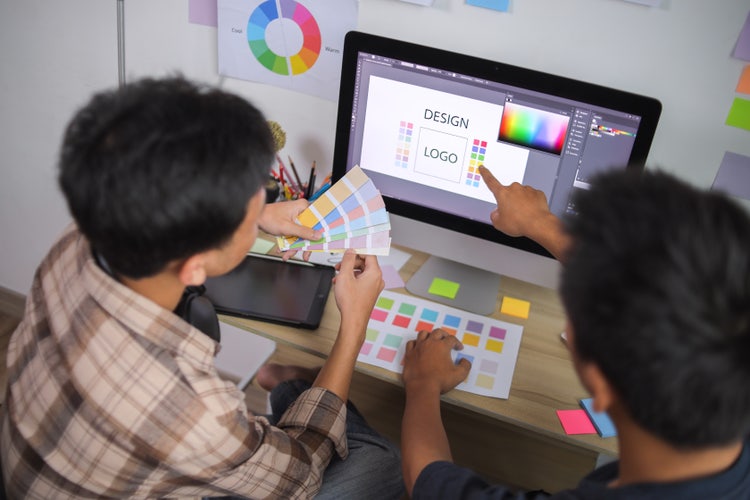
At the foundation are visual design principles such as layout, colour theory, typography, composition, and visual hierarchy. These hard skills help designers communicate ideas clearly and consistently across formats, from social media graphics to presentations and print materials.
Equally important is creative problem-solving. Designers are often required to interpret briefs, simplify information, and create visuals that align with brand and communication goals.
Technical and software skills
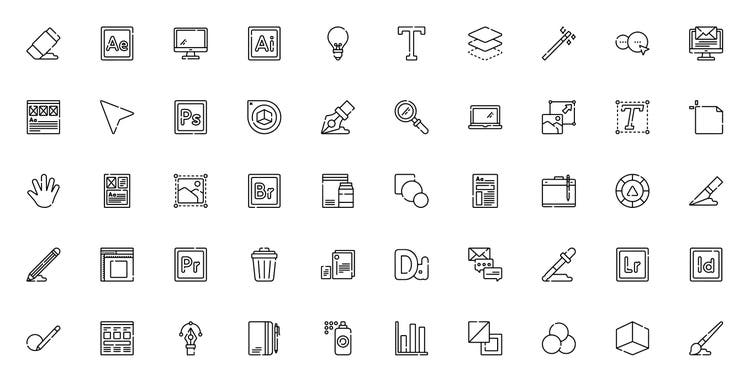
Graphic designers work primarily in digital environments and are expected to handle a range of design outputs efficiently. This includes working with vector graphics, photo editing, page layouts, and motion assets, among others. This also means an expected level of proficiency in industry standard vector design, image editing, layout and publishing, and motion graphics software, such as Adobe Creative Cloud. As designers progress, some roles may extend into basic interactivity, motion, or web-ready visuals, depending on the industry and team structure.
Soft skills
Graphic design is a collaborative discipline, and strong soft skills are essential for long-term success. Designers regularly work with marketers, writers, developers, product teams, and clients, which makes clear communication critical at every stage of a project.
Time management and organisation are particularly important when juggling multiple design projects, coordinating revisions across teams, or meeting client deadlines. Designers who can prioritise tasks, plan iterations, and manage handoffs efficiently tend to maintain consistent quality, collaborate more smoothly, and progress faster within teams or on freelance assignments.