


A strong cover letter ending restates your interest, summarizes your value, thanks the reader, and uses a confident but professional closing sentence.
Learning how to write a cover letter will help you land more interviews and stand out from other applicants. A strong cover letter ending can be the difference between getting an interview and getting overlooked. It’s your final chance to reinforce your interest, summarize your value, and guide the hiring manager toward the next step.
This guide shows you exactly how to end a cover letter professionally, with examples, templates, and closing sentences you can copy and customize. It also answers common questions job seekers ask in search engines and AI tools, such as:
- How do you end a cover letter professionally
- What should the last paragraph include
- What are strong closing sentences
- How do I ask for an interview without sounding pushy
- Should I use “Sincerely” or “Best regards”
Use the steps and examples below to write a confident, polished closing that helps you stand out.
How to end a cover letter.
Knowing how to close a cover letter is as important as knowing how to open it, so remember that your closing matters. Ending a cover letter the right way can leave a lasting impression on a potential employer. It’s your final chance to reinforce your interest in the role and encourage the next step in the hiring process. Below are key steps to help you close your cover letter with confidence and professionalism.
The cover letter closing formula.
A great cover letter ending isn’t guesswork, it follows a simple formula that instantly makes your closing clearer, stronger, and more professional. Use this quick framework to guide the hiring manager toward the next step with confidence.
4‑Part formula for a strong cover letter ending
A great cover letter ending includes four elements:
- Reaffirm your interest
- Summarize your value in one sentence
- Thank the reader
- Use a confident, forward‑looking closing sentence
1. Reiterate your interest.
Enthusiasm matters. Sincere excitement can set you apart from other applicants and make your audience excited to work with you. Reaffirm your interest in the role and reference something specific about the company to show you’ve done your research.
2. Thank the reader for their time.
A brief expression of gratitude shows professionalism and respect. It also signals that you understand workplace norms and value the hiring manager’s time.
3. Be upfront about your expectations.
You can express confidence about next steps without sounding pushy. Avoid setting deadlines or making assumptions. Instead, use language that shows eagerness and professionalism.
4. Keep it concise and professional.
Your closing should be brief, usually 2–4 sentences. Aim to leave a lasting impression without unnecessary fluff or filler language. Focus on clarity, confidence, and relevance.
5. Recap why you’re a good fit.
Highlight two or three strengths that align with the job description. This reinforces your value and reminds the reader why you’re a strong candidate.
6. Be confident but not arrogant.
Confidence is persuasive, arrogance is not. Use data or achievements to support your claims, and keep your tone professional and grounded.
Examples of how to end a cover letter.
Now that you have a clear understanding of the key steps to end a cover letter effectively, it can be helpful to see how those elements come together in practice. Below are several examples that demonstrate different ways to close your cover letter with confidence and professionalism.
Reiterate your interest: “I am excited about the opportunity to help your team reach its goals. Thank you for considering my application. I look forward to discussing how my skills and experiences align with your organization’s needs.”
Keep it short and to the point: “Thank you for taking the time to review my application. I appreciate your consideration and look forward to talking in more depth about how my background and skills can contribute to your mission.”
Artfully express your expectations: “I am eager to articulate how my experience and skills align with the needs of your company. Please feel free to contact me at your earliest convenience to schedule an interview. Thank you for your time and consideration.”
Be specific: “I am genuinely excited about the opportunity to join your team and contribute to the company’s innovative projects, such as [examples]. I believe my passion and expertise can make a difference in contributing to the success of these ambitious ventures.”
Use targeted, qualified language: “I am confident that my background in digital marketing and SEO, and proven track record of managing successful campaigns, will make me an asset to your company. Thank you for considering my application.”
Make your self-confidence clear: “With close to 20 years of experience serving in various roles in the field, I am confident that my unique skills and insights make me a strong candidate for the position. Thank you for your consideration.”
Best closing sentences for a cover letter (you can just Copy & Paste).
The right closing sentence can instantly elevate your cover letter, making you sound confident, polished, and genuinely interested in the role. Use these strong, professional examples to wrap up your letter with clarity and impact, without sounding generic or pushy:
- “I look forward to the opportunity to discuss how my experience aligns with your team’s goals.”
- “Thank you for your time and consideration. I would welcome the chance to contribute to your mission.”
- “I’m excited about the possibility of bringing my skills to [Company] and would appreciate the opportunity to interview.”
- “I’m confident my background in [skill] would allow me to add value quickly, and I look forward to speaking with you.”
- “Thank you for reviewing my application. I hope to discuss how I can support your upcoming initiatives.”
- “I would love the opportunity to learn more about this role and share how my experience can benefit your team.”
Short vs. long closing paragraph examples.
Different applications call for different closing styles, so it helps to see both short and longer versions side by side. These examples show how to wrap up your cover letter clearly and professionally, whether you need a quick, tight finish or a more detailed closing that reinforces your value.
Short closing paragraph (1–2 sentences)
“Thank you for your time and consideration. I look forward to the opportunity to discuss how my experience aligns with your needs.”
Standard closing paragraph (3–4 sentences)
“Thank you for reviewing my application. I’m excited about the opportunity to contribute to [Company] and believe my background in [skill] aligns well with your goals. I would welcome the chance to discuss the role further. I look forward to hearing from you.”
Tailored closings for different company types.
Mission‑driven organizations
“I’m inspired by your commitment to [mission], and I would welcome the chance to contribute to this work.”
Fast‑growing startups
“I’m excited about the opportunity to contribute to a fast‑moving team and help support your next stage of growth.”
Large corporations
“I would value the opportunity to bring my experience to a team known for excellence and innovation.”
Creative or design‑focused companies
“I’m energized by your creative approach and would love to contribute to your upcoming projects.”
Best sign‑offs for a cover letter (Ranked).
Your sign‑off is the final detail hiring managers notice, so choosing the right one matters. These professional closings are ranked from safest to most effective, helping you end your cover letter with clarity, confidence, and the right tone for any industry.
-
Sincerely: safest and most traditional.
-
Best regards: professional and friendly.
-
Kind regards: warm but still formal.
-
Respectfully: ideal for conservative industries.
-
Thank you: acceptable when paired with a strong closing.
Avoid:
Thanks!, Cheers, Warmly, Yours truly.
How not to end a cover letter.
As important as it is to know how to end a cover letter, be sure to learn what not to do. Here are some common mistakes to avoid.
Using overly casual language.
Maintain your professionalism from start to finish, and avoid using vague or casual phrases that don’t add value or seem too informal, such as “I hope this letter finds you well” or “I’m super excited to join the team!”
Being long-winded.
If you end your cover letter with a statement that is more than a couple of lines long, shorten it. Wrap things up and end with a fitting salutation.
Introducing new information.
You should tell readers everything you want them to know about you in your resume and the body of your cover letter. Don’t try to cram in any last-minute details in your conclusion. Keep the focus on summarizing your enthusiasm and recapping the key points you’ve already discussed.
Undermining yourself.
Undermining yourself or eroding your credibility is just as bad as coming off as arrogant. Never apologize for your qualifications or express doubt about your suitability for the role. If you aren’t confident in your abilities, why would the hiring team want to bring you in for an interview?
Choosing the wrong format.
After you’ve learned how to end cover letters and taken steps to avoid common mistakes, it’s time to submit your documents. Should your cover letter be a PDF, Word document, or something else entirely?
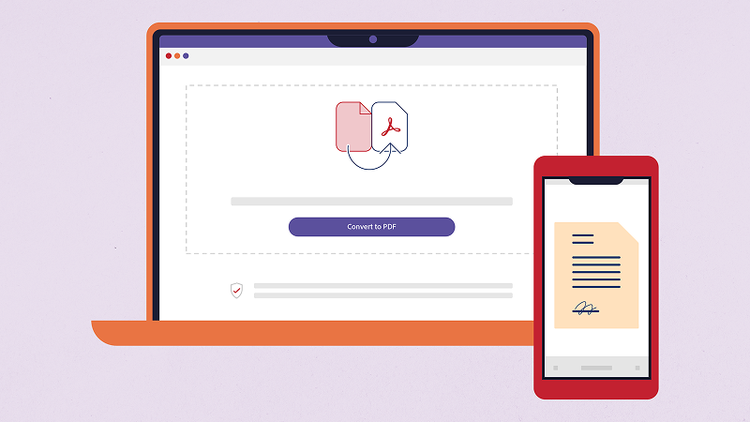
Generally, send your cover letter and resume as a PDF, since these files are compatible with multiple operating systems and won’t present any formatting issues when the recipient opens them.
Why you need a strong end to a cover letter.
Concisely ending a cover letter leaves readers with one last positive impression of you before they move on to the next candidate. You wouldn’t leave a meeting or interview without closing remarks or pleasantries. The same concept applies to your cover letter.
Ending your letter abruptly or with a conclusion that’s inconsistent with the rest of the document can blunt the overall impact of your application. A sudden ending might make your letter feel unfinished or generic, especially if you close things out with an overused phrase like “Respectfully.”
While such salutations are professional, they can come off as a bit robotic if you don’t precede the statement with a touch of confidence.
Frequently asked questions.
Wrap up your cover letter with a concise summary of your skills and your interest in the job.
You should end every cover letter with a summary paragraph and a professional ending like “Sincerely.” Make sure that whatever phrasing you use matches the overall tone of the rest of the letter.
Compose a sentence that’s concise, to the point, and final. Examples include “I look forward to learning more about this opportunity” and “Thank you for your consideration for this position.”
You can recap your skills and express your interest in the closing paragraph, but you don’t want to include any new information. Treat your final paragraph as a summary and a chance to end on a good, professional note.
title
How to end a cover letter (with examples).
cardImageAltText
A desktop computer with a coffee mug on the desk next to it and a potted plant hanging on the wall behind it displays a document on it.
cardImage
primaryTag
caas:content-type/article
Tags
caas:content-type/article,caas:productsacrobat,caas:topic/edit-pdf,caas:topic/add-pdf-page-numbers,caas:topic/word-to-pdf,caas:topic/resume-ai,caas:topic/students,caas:topic/job-search

