
Two shot
In a two shot (a shot with two subjects in the frame), when people are talking, arguing, or kissing, the medium close-up works well. In fact, most classic movie kisses happen in medium close-up.


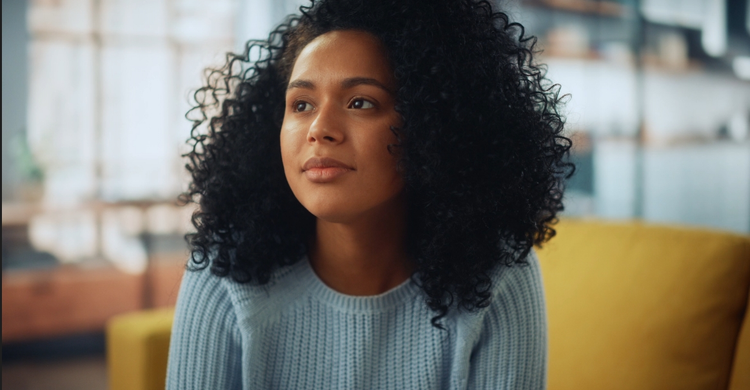
In cinematography, a medium close-up (MCU) frames the subject from just above the head to just below the chest. A neutral shot, the medium close-up captures the subject’s facial expression and body language while still leaving some background in the frame.
The type of camera shot a filmmaker chooses for any scene can make a big difference in how the scene affects the viewer. In addition to capturing the action in the frame, every shot establishes relationships between subjects or between subjects and their environment. For most scenes, it’s important to make sure you’re close enough to capture the action and emotion of a scene but not so close you’re overwhelming the viewer.
Once you’ve set up a scene with an establishing shot, you can use a wide shot (also known as a long shot or full shot) to show your subjects in the context of their surroundings. This type of shot helps make characters’ spatial relationships and power dynamics clear to viewers. Full shots are also great for capturing bodies moving through their environment, but if you try to tell your whole story from this distance, your viewers may begin to feel like they’re watching surveillance video.
Moving closer to the subject, a medium shot frames a person from the waist up. “It’s half-environment and half-subject,” director and photographer Alicia J. Rose says. The viewer can pick up gestures and facial expressions while maintaining a sense of the background. This shot works well for physical comedy or moments when it’s important for the viewer to see both the subjects and the space around them, but for conversation it’s still a bit far away.

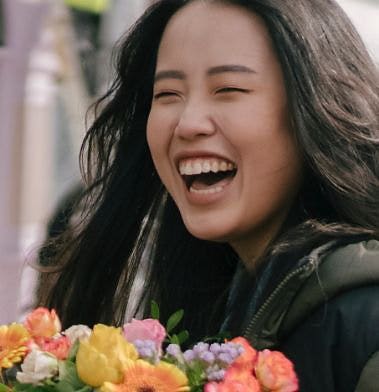
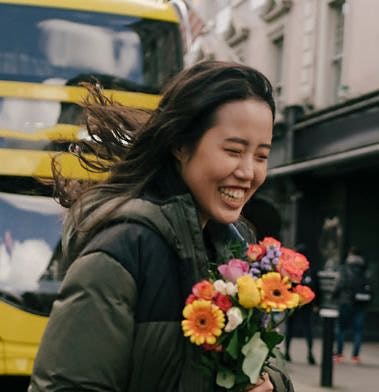
On the opposite end of the shot-size spectrum, close-ups and extreme close-ups fill the frame with the subject’s face. These are intimate and intense shots that filmmakers tend to use sparingly. “In a close-up, you are just all about that person, focusing on them, seeing their eyes, seeing into their soul,” Rose says. During a moment of great tension or epiphany, you might zoom in on your subject’s face or glide in with a Steadicam, but if you spend too much time in close-up, you risk exhausting your audience.
The medium close-up is the Goldilocks of shot types because it puts the audience at just the right distance from the subjects’ faces. It’s perfect for capturing scenes of people talking to the camera or each other or performing other relatively stationary activities. “The medium close-up is semi-intimate,” says videographer and editor Lisa Bolden. “It’s almost like having a comfortable conversation with a person. It puts you at a conversational distance,” Bolden says.
The viewer still gets a sense of space in a medium close-up, but the background might be more textural. If it suits the mood of the shot, you can use a shallow depth of field to create dreamy bokeh effects in the background.
Because of its neutrality, you can use a medium close-up at an eye-level camera angle for nearly any scene. “It’s where you live, especially in dialogue,” Bolden says. “I use it any time I want the viewer to feel at ease and like there’s a flow happening.”
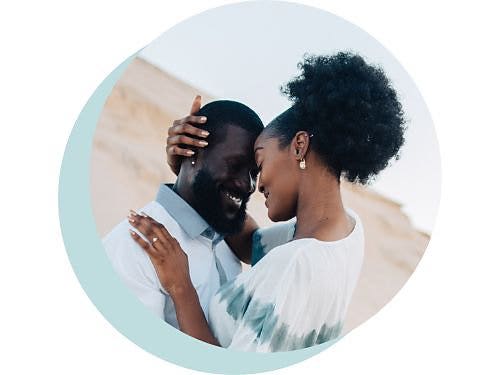
In a two shot (a shot with two subjects in the frame), when people are talking, arguing, or kissing, the medium close-up works well. In fact, most classic movie kisses happen in medium close-up.
Over-the-shoulder shots are often medium close-ups as well. Whether you stay behind one subject or use a shot-reverse shot to cut back and forth from one subject to another, the over-the-shoulder shot can pull viewers into a conversation. By changing the camera angle to a high angle above or below the person facing the camera, a medium close-up can convey strength or weakness as one character looms over the other.
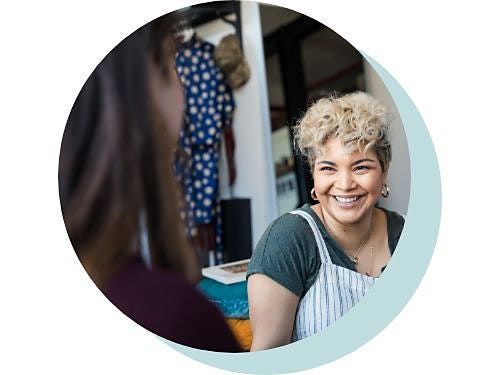
Consider these important elements as you set up your shot.
Intentional lighting is crucial for getting good footage, and that’s especially true when the camera captures both subject and background. “Make sure you have good natural light or that you can control the light with continuous lighting or light modifiers that give some texture and depth to the subject’s face,” Rose says. “Maybe try three-point lighting, so you’ve got a key light, a hair light, and a background light.”
Whether you choose high-key or low-key lighting will depend on the mood you want to create. High-key lighting creates brightly lit scenes with lower contrast, which can be perfect for lighter narrative moments or product commercials. Low-key is better for cinematic drama and mystery.
Make sure you step away from the camera and spend a minute checking your subjects’ appearances. “Sometimes you don’t have a stylist, it’s just you. So you need to make sure the subject’s earrings are facing the right way, their hair isn’t tweaked or twisted, or one collar isn’t higher than the other,” Rose says.
Also look out for mistakes in continuity related to wardrobe, props, and hair. Continuity mistakes are the little errors that might pull viewers out of the story you’re telling because something changes between cuts to break the sense of continuous action. “If you have a can of soda water in one hand and in the next shot it’s in the other hand, the viewer feels that jump,” Bolden says. Unless you’re going for an intentional jump cut, these moments can break your viewer’s trust in you and your story.
Be intentional about your backgrounds. “Make sure what’s in the background is interesting and that when the camera de-focuses on what’s behind the subject, it looks pretty and adds texture to the shot,” says Rose. But don’t let the background get too busy. If there’s too much going on, the viewer may get distracted from the central action. (And if you’ve got people in the background, beware of extras looking to get discovered.)
You get your best shots when you frame them deliberately, so plan ahead. Create a storyboard and then build a shot list before you start production. Consider what you hope to achieve with your medium close-up and what role camera movement or background design can play in helping you entrance your viewers.
And, of course, consider the aesthetic value of your framing. “The composition behind the subject — without it being the thing that you’re seeing in focus — still has to turn into something that creates a beautiful frame,” says Rose.
Portrait lenses, like a 24mm–70mm lens, work well for medium close-ups. “You can get close with it, but it works much better at a medium distance,” Bolden says. “It’s crisp and clear.”
A zoom lens can also help you give your subject some distance and put them at ease. “If I want this shot, I’m probably going to be at least five or six feet from the subject and then use the lens to make up any difference that I want,” says Bolden. “I give the person some space so it doesn’t feel too intimate.”
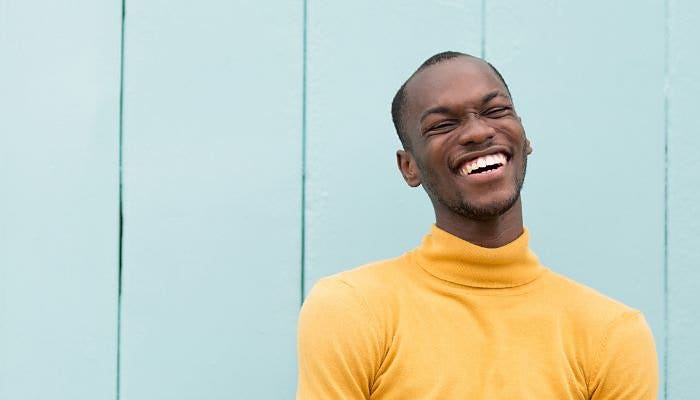
During post-production, you may find out that one of your medium close-ups didn’t work or that you prefer a take you captured at a different shot size. In those cases, you can use video editing software like Adobe Premiere Pro to zoom in on a character.
As long as you shoot your video at a higher resolution, like 4K or 5K, you have the option to zoom in to a medium close-up or close-up without a noticeable loss in video quality. “If you’re a one-person team, or if you only have one camera, then it’s crucial. You’re only taking one shot, but you can still create your close-ups and your mediums. That’s been super useful to me as a kind of lone-wolf filmmaker,” Bolden says.
Whether you work alone or with a crew, on features or commercials, you’re sure to turn to the medium close-up shot again and again. Just keep the tips above in mind, and you’ll get the footage you need to tell your story.


