


NEWS
What students and educators should know about where Adobe stands on AI
Future of Creative Work & Learning
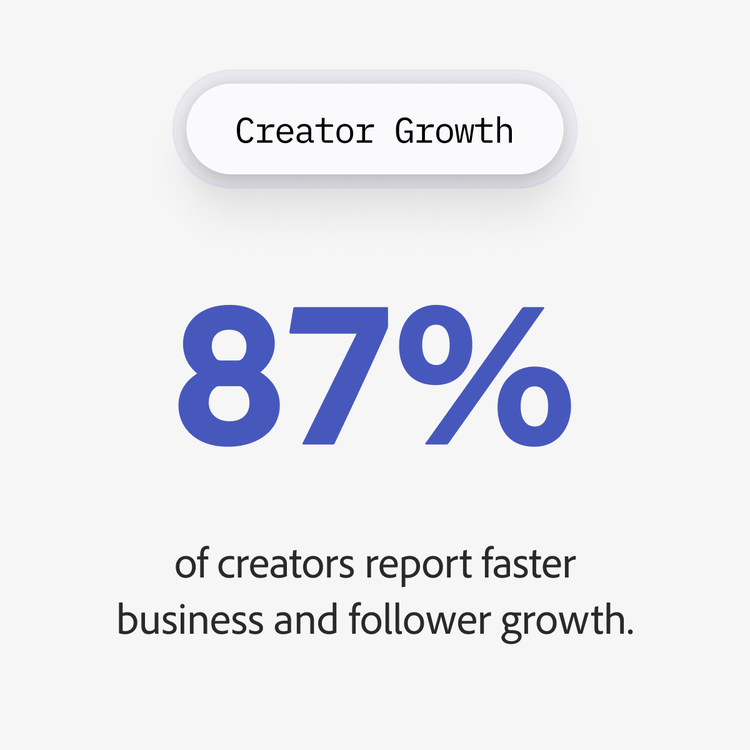
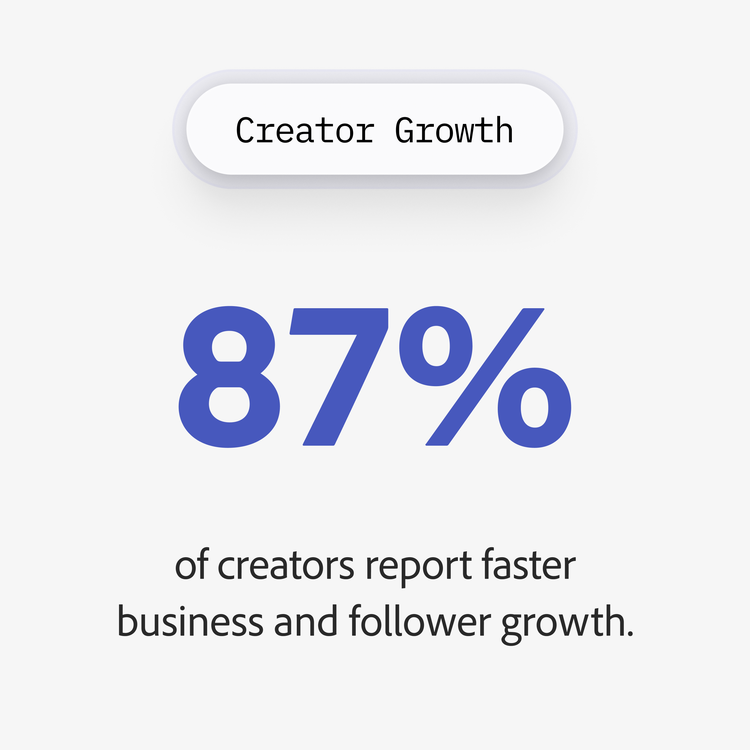
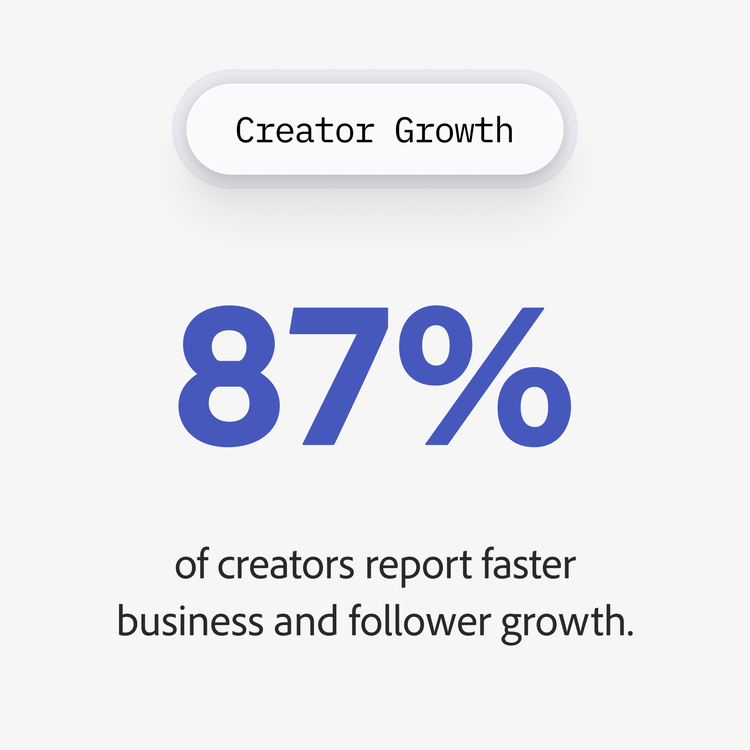
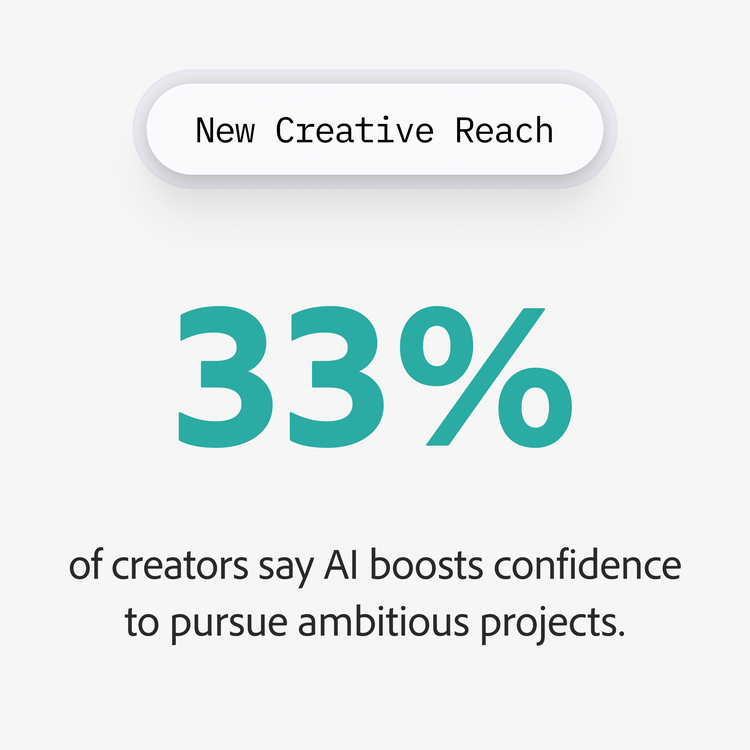
For creative and business careers alike, this moment follows a familiar pattern the industry has seen before. Growth and opportunity across fields have always come from learning to work with new tools. AI is the next inflection point, and it is reshaping business and professional careers as much as creative ones. The data, much of it from Adobe’s own research, supports a more optimistic and actionable picture than news headlines suggest.
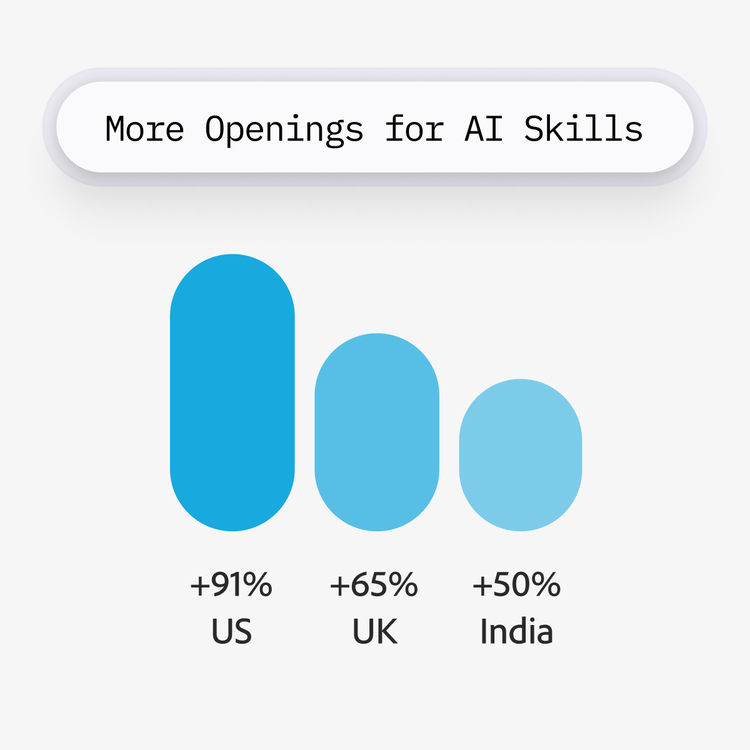
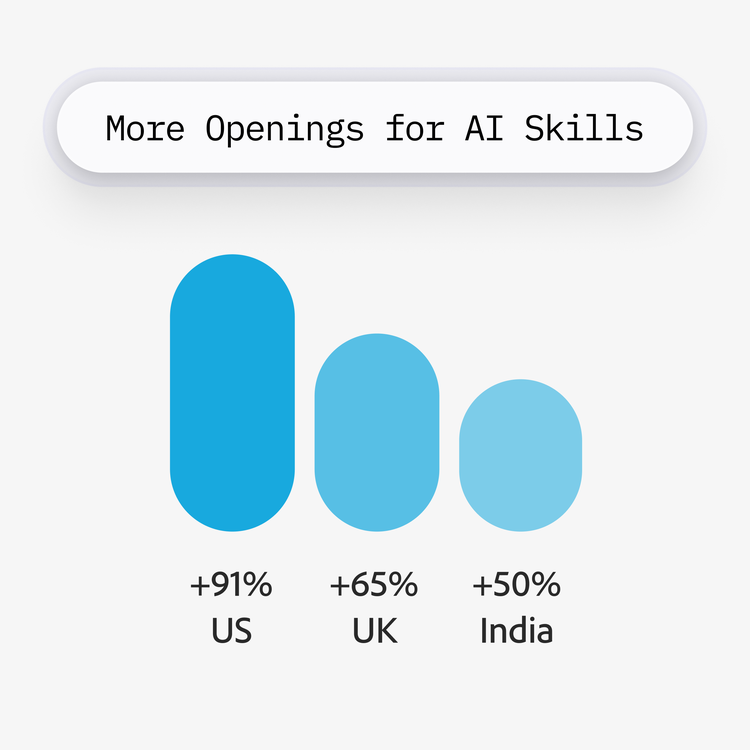
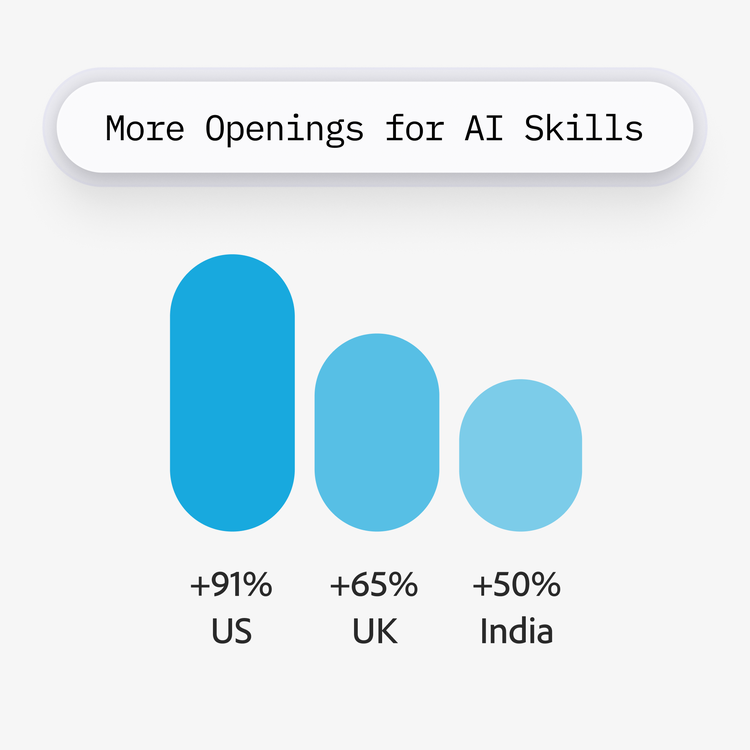
Employers today are looking for skills in AI-augmented creative production, data-informed design, content supply chain, and provenance & attribution. Entry-level hiring already reflects this shift. Postings requiring AI skills climbed sharply across major hiring markets between Q1 2025 and Q2 2026; graphic design and video editing now show the highest AI-skill share of any entry-level job family.
The momentum kept building into the most recent quarter alone: job postings requiring AI skills rose from 7% to 13% quarter over quarter across the US, UK, and India between Q1 2026 and Q2 2026. Creative roles like graphic design and video editing held 53% to 60% AI-skill share in Q2 2026, compared with just 10% to 17% for sales roles.
AI is changing how students learn, and Adobe is providing a safe, AI-enhanced environment in Acrobat, while enabling institutions to integrate generative AI into curriculum responsibly. That means AI built on responsible policy that never trains student data and returns verifiable outputs through clickable citations.
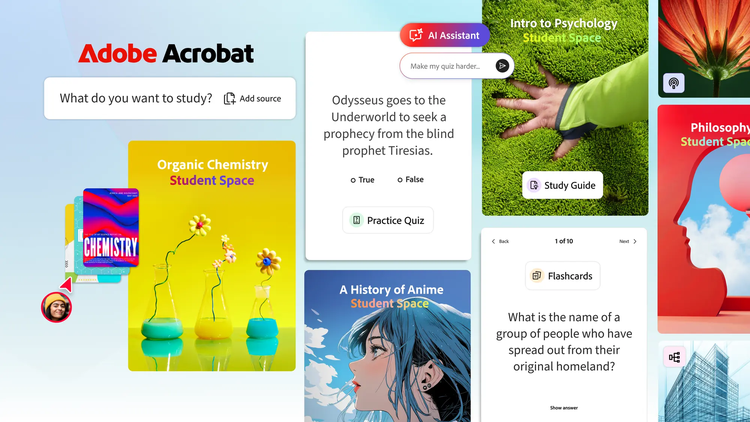
Adobe's approach to studying helps students get to learning faster in the ways that work best for them. Student Spaces in Acrobat, an AI-powered study hub, turns a student's own notes, slides, and readings into active-recall study tools such as flashcards, quizzes, and study guides, with an AI tutor for support. It also supports visual and auditory learning, turning the same materials into videos, podcasts, and mind maps. Because every answer ties back to the uploaded source through citations, students can verify the work against their own materials and be confident about the output.
Environmental Impact
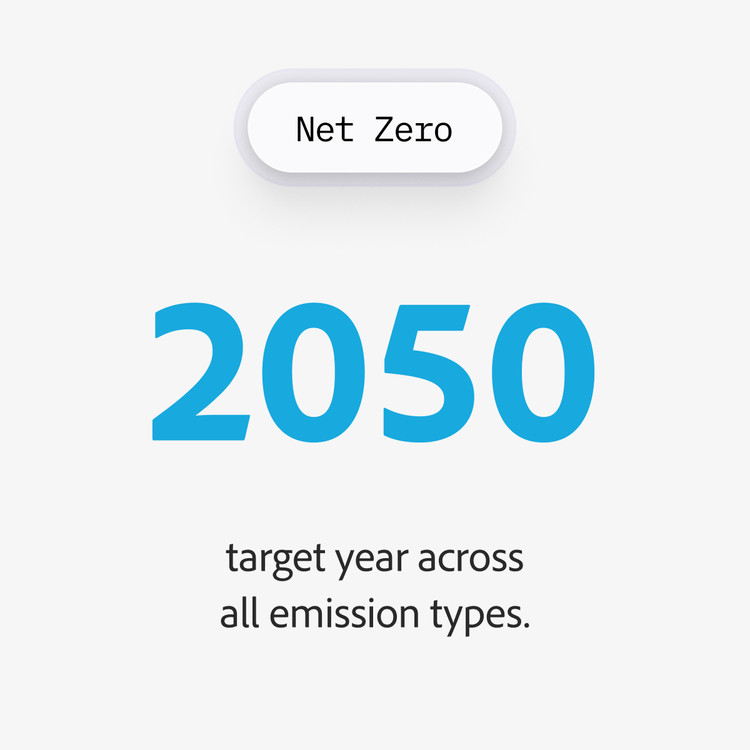
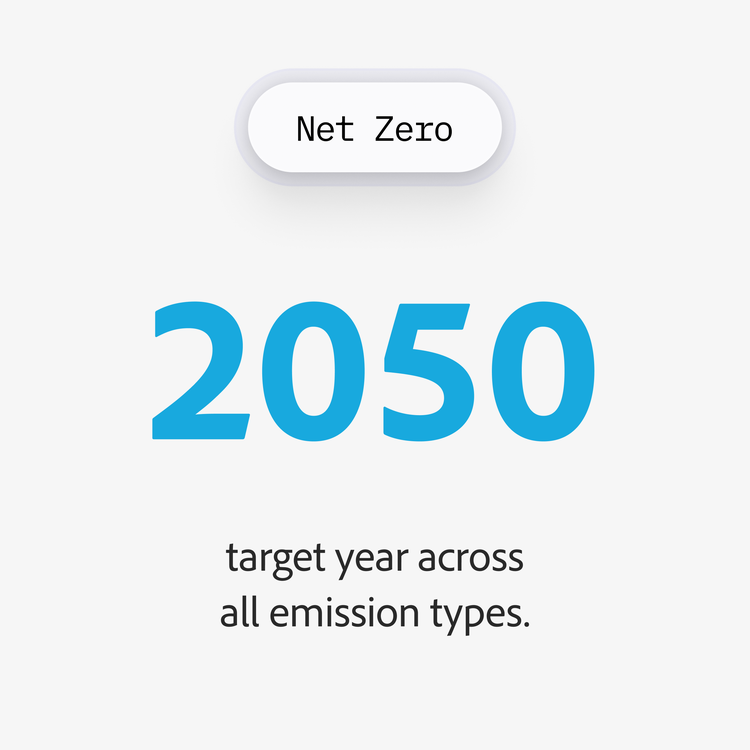
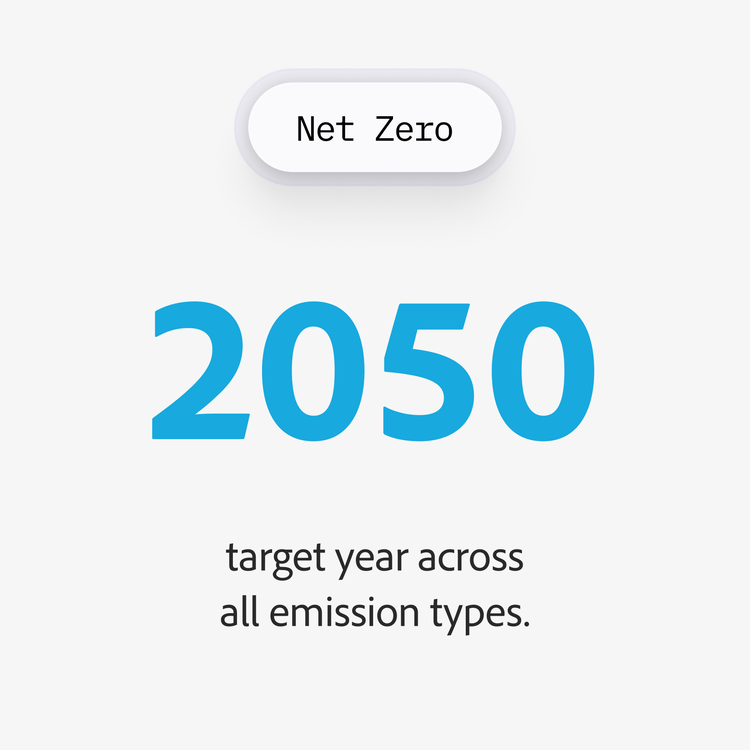
Generative AI uses a lot of processing power. Adobe’s environmental commitments are governed by the Science Based Targets Initiative’s Corporate Net-Zero Standard. Adobe has also disclosed concrete steps taken specifically to reduce the energy cost of generative AI, via code optimization and request batching.
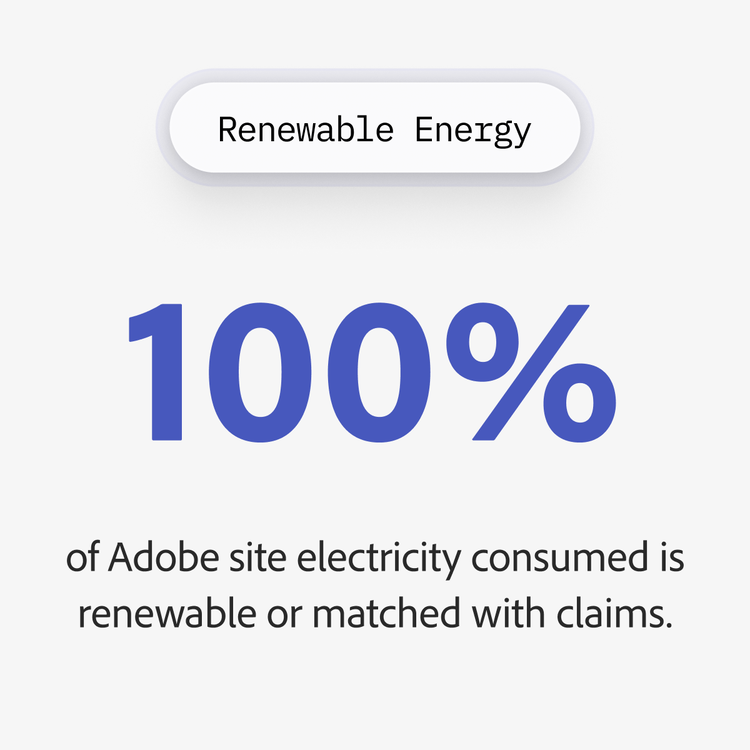
All of the consumed electricity by Adobe-owned and leased sites are from renewable sources or matched with claims to renewable electricity— and they hit this milestone a decade ahead of their original target of 2035. Adobe is committed to AI architecture optimization, which reduces energy per inference and training run through code optimization and elimination of redundant generation steps, as well as workload scheduling and request batching to reduce peak energy demand at scale across millions of creative tool users. Finally, data centers behind Adobe’s cloud and AI services are operated by Adobe’s cloud providers, not by Adobe itself. Adobe partners with providers who share our commitment to sustainability and 100% renewable electricity, and weigh environmental criteria in site selection and operating decisions.
Artists’ Rights
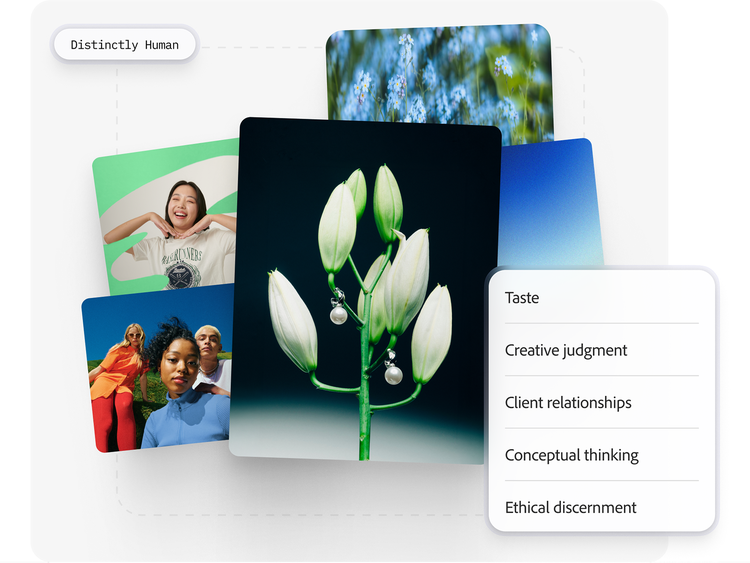
As AI reshapes creative work, one of the central questions is what this means for the future of human creativity. What remains distinctly human is taste, creative judgment, client relationships, conceptual thinking, and ethical discernment. These are the skills worth developing alongside AI proficiency, and they are precisely what Adobe’s framework is designed to enable. We trained our Adobe Firefly generative AI family of models only on licensed images from Adobe Stock, openly licensed content, and public domain content where the copyright has expired.
Adobe has publicly backed the bipartisan CREATOR Act – the Creative Rights Ensuring Artists’ Technique and Originality Are Reserved Act – that was introduced in Congress in June 2026. The bill would establish a new federal right protecting visual artists from AI-generated style impersonation. Unlike copyright, which protects specific works, the CREATOR Act addresses the gap that lets anyone use a single prompt to flood the market with mass imitations of an artist’s signature style without consent or compensation. For students developing a distinctive visual identity, this protection directly safeguards your investment in craft.
Ethics & Accountability
These AI Ethics Principles are embedded as requirements throughout Adobe’s engineering and product development process.
Accountability
Business leaders at Adobe are formally accountable for the ethical operation of AI technologies. Decisions about AI require executive oversight and corrective action mechanisms when issues arise.
Responsibility
Adobe commits to remediating harmful bias in AI outputs regardless of training input, covering race, gender, age, disability, religion, sexual orientation, and geography.
Transparency
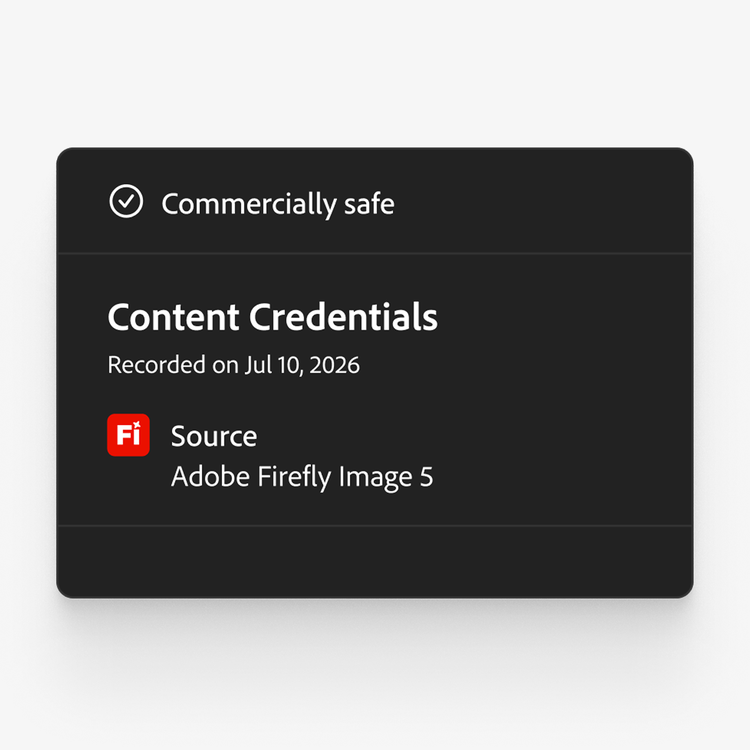
Every AI-generated edit in Creative Cloud carries a Content Credential, giving anyone the information needed to understand whether AI was involved in creation or editing. In Acrobat, citations enable you to check sources and feel confident about information provided.
Adobe offers IP indemnification and Firefly with respect to generative AI outputs on qualifying plans. We are also committed to remediating harmful bias to reduce systemic misrepresentation of communities in generated imagery. Finally, Adobe designs agentic features around the same logic creators are asking for: checkpoints, visibility, and creator override built in, not bolted on.
The Path Ahead
AI is changing what creative and professional work looks like, and it is changing what employers look for. Students who build AI fluency alongside creative skills are well positioned for that shift. Adobe's approach across work and learning, sustainability, artists' rights, and ethics is intended to give students a clear, sourced view of where the industry stands as this shift continues.
Frequently Asked Questions
Does Adobe train Firefly on my work without permission?
No. Firefly is trained only on licensed Adobe Stock content and public domain material, not subscribers' personal work. Creators can flag "Do Not Train" via metadata or Adobe's free Content Authenticity app.
Will AI take creative jobs?
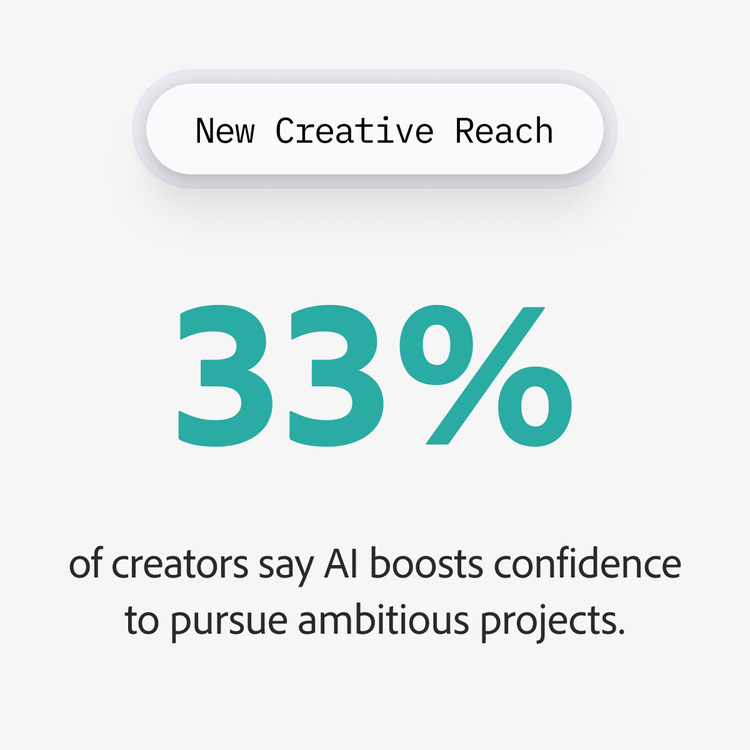
Adobe sees AI as augmentation, not replacement, for those who adapt. Most creators (86%) already use gen AI, and most say human judgment and final creative decisions should stay with the creator (81% and 85%). Entry-level creative roles now show the highest AI-skill demand of any job category.
What is Adobe doing about AI's environmental impact?
We recognize generative AI models require a large amount of computing power. Adobe is partnering with our cloud providers to leverage the best combination of services (cloud computing and storage), regions and data center density to reduce the environmental impact through the entire workload lifecycle. The storage services feature intelligent data tiering to optimize storage for sustainability, reducing idle storage resources. When it comes to generative AI, we take additional steps, including training model optimization, minimizing redundant steps, avoiding unnecessary generation, and executing efficient scheduling and batching.
How does Adobe address harmful bias in AI-generated content?
AI features undergo multi-stage safety reviews, including oversight from an AI Ethics Review Board, plus ongoing testing and user feedback tools to catch harmful outputs.
Can I stop my work from being used to train AI models?
Yes. Creators can tag images, audio, and video with "Do Not Train" via Adobe's Content Authenticity app. Student content in Acrobat (notes, slides, readings) is never used to train Adobe's models.
Does Adobe support legislation protecting artists from AI style theft?
Yes. Adobe backs the CREATOR Act, pending federal legislation (as of June 2026) that would protect artists from AI style impersonation.
Does using tools like Student Spaces in Acrobat hurt critical thinking, reading, or writing skills?
Adobe's stance: disengagement is the real risk, not AI use. Study tools cite back to students' own source material, encouraging verification rather than passive acceptance.
How does Adobe support academic integrity when students use AI tools?
Faculty and staff leverage commercially safe AI with built-in data protections, supporting scaled, compliant adoption aligned with privacy and academic integrity standards. In Acrobat, Student Spaces ties every AI-generated study answer back to citations from the student’s own uploaded notes, slides, and readings, so the work can be checked against the original source.
Explore more related posts

Content Authenticity
The CREATOR Act is the protection artists need in the age of Al
AI can be one of the most powerful creative tools for an artist. It can expand what is possible for creators of all kinds — accelerating ideas, opening new mediums, and lowering the barriers to creative expression.
Adobe Acrobat
Learn that with Acrobat: Class and career prep made easier with New Student Spaces
We get it. Life is busy. That’s why we created Student Spaces in Acrobat, a free tool, now available in beta, designed specifically for students like you, to help make studying faster, easier and way more effective.

Education
Back to school and beyond: Adobe expands access to skills for the Al era
Back-to-school season is a reminder that learning is a lifelong process, especially as AI reshapes how people create, communicate and work and creative fluency and AI literacy are becoming increasingly important.
