Creativity for all
Photography, video, graphic design, illustration and so much more. Everything you need, wherever your imagination takes you.


GRAPHIC DESIGN
Want to become a visual designer? Learn the skills, tools, and practical experience needed to build a career creating digital experiences, brand campaigns, social media content, and product visuals for India's fast-growing technology, startup, e-commerce, entertainment, and education sectors.

A visual designer is a creative professional who shapes how a brand, product, or digital experience looks and feels. Using elements such as colour, typography, imagery, spacing, and layout, they create designs that communicate ideas visually while ensuring consistency across different platforms and touchpoints.
Visual designers often work at the intersection of creativity and functionality. While aesthetics is important, they also consider usability, accessibility and how visual elements support user goals. This is why visual design is commonly associated with digital products, user interfaces, and brand experiences.
In India, visual designers contribute to a wide range of projects, including e-commerce experiences, fintech apps, OTT campaigns, educational platforms, and multilingual marketing campaigns designed for diverse regional audiences.
A visual designer is responsible for creating visually appealing designs that support business objectives and improve user experiences. Depending on the role and industry, their day-to-day responsibilities can vary, but most visual designers focus on translating ideas, concepts, and brand guidelines into engaging visual assets.
Typical responsibilities of a visual designer include:
There isn't a single path into visual design, but most professionals develop a combination of design knowledge, technical skills, and practical experience over time. Follow these steps to get started.
Start by building a solid understanding of core design principles, including:
The good thing is that you can always choose your own pathway. For freelancers and career changers, self-learning is a good option. Certification and degree programmes, on the other hand, are great for skill enhancement and long-term academic journeys.
Professionals use graphic design software to bring ideas to life. Developing proficiency with tools like Adobe Photoshop, Adobe Illustrator, and Adobe InDesign can prepare you for a wide range of design projects. Working within Adobe Creative Cloud also streamlines your workflow by making it easy to move assets between applications.
Your portfolio is often the most important part of a job application. Showcase a variety of projects that demonstrate your skills across different design disciplines. Include:
You should also consider sharing your work on platforms like Behance, Dribbble, or your own portfolio website. Whenever possible, explain your design process (not just the finished result) to show how you approach creative problem-solving.
Apply your skills through freelance projects, internships on platforms like Internshala, volunteer work, hackathons, design competitions, startup collaborations, college festivals, NGO initiatives, or partnerships with local businesses. Real-world experience helps you build confidence while creating portfolio pieces that reflect genuine business challenges. Joining design communities, student organisations, or creative workshops can also help you expand your network and continue improving your craft.
Visual design is constantly evolving, so ongoing learning is essential. Stay up to date with new design trends, accessibility best practices, motion graphics, AI-powered creative workflows, and emerging design tools. Seek feedback, study inspiring work, and keep practising to refine your skills and remain competitive throughout your career.
Aspiring visual designers in India can also build their skills through specialised design programmes and workshops offered by institutions such as the National Institute of Design (NID), Industrial Design Centre (IDC) at IIT Bombay, Srishti Manipal Institute of Art, Design and Technology, Pearl Academy, and MIT Institute of Design.
Explore our collection of Creative Cloud video tutorials from Adobe experts and our learning partners. Learn core skills, stay current with new features and discover advanced techniques.
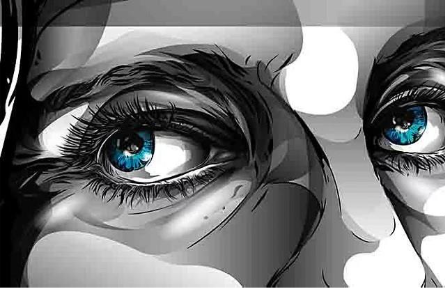
Visual designers work across sectors such as IT, SaaS, e-commerce, edtech, fintech, media, startups, and more.
INDUSTRY
HOW VISUAL DESIGNERS CONTRIBUTE
While job titles vary between organisations, many roles share similar responsibilities centred around creating engaging visual experiences and maintaining brand consistency. Common titles include:
A visual design career offers several opportunities for advancement. As designers gain expertise and take on larger projects, they often progress into leadership roles such as:
Like any creative career, visual design comes with a learning curve. Here are some of the most common challenges aspiring visual designers face:
Photography, video, graphic design, illustration and so much more. Everything you need, wherever your imagination takes you.
Based on your location, we think you may prefer the United States website, where you'll get regional content, offerings, and pricing.