
Creativity for all
Photography, video, graphic design, illustration and so much more. Everything you need, wherever your imagination takes you.


GRAPHIC DESIGN
From creating children's book artwork and educational visuals to designing characters, cultural campaigns, and digital content, illustration offers a wide range of creative opportunities across India's colourful publishing, entertainment, education, and media sectors.
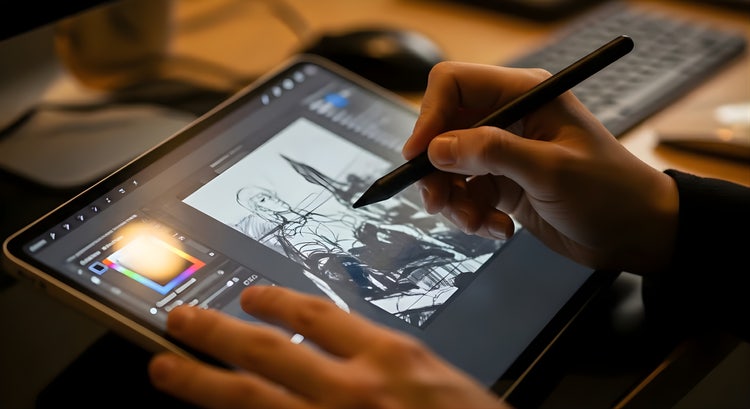
An illustrator is a design professional who creates visual content that helps communicate ideas, explain concepts, and tell stories. Illustration work can appear in books, magazines, advertisements, websites, packaging, mobile apps, social media content, and many other forms of media. While some illustrations are purely artistic, many are created with a specific purpose, such as supporting a marketing campaign, enhancing a publication, or helping audiences understand complex information.
Illustration is a rewarding career for creative people who enjoy turning ideas into compelling visuals.
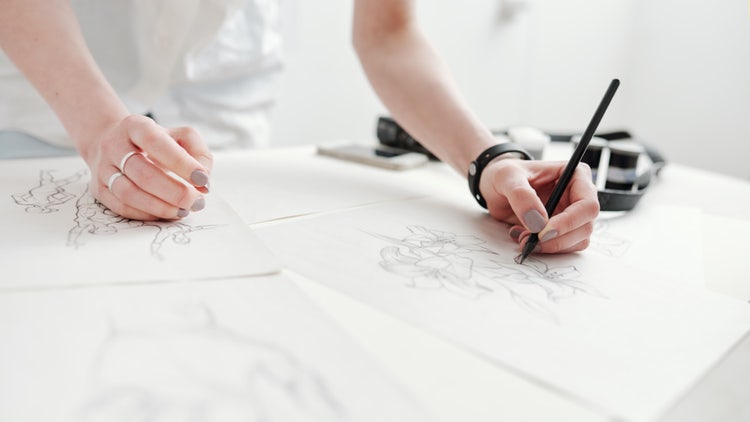
Strong illustration starts with strong fundamentals. Before developing your own style or learning advanced software, practise the core skills that underpin professional illustration: sketching, observation, composition, light and shadow, perspective, and colour theory.
These skills will help you create clear, engaging artwork and adapt to different illustration styles throughout your career.
Experiment with different mediums, techniques, and creative projects to discover the type of illustration you enjoy most. You can study illustrators whose work you admire, but focus on developing a style that reflects your own strengths and interests.
Many contemporary illustrators also draw inspiration from India's rich visual heritage, creating modern digital interpretations of traditional art forms such as Gond, Madhubani, and Pichhwai. Exploring these influences can help you develop a distinctive style while connecting traditional artistic practices with contemporary design and storytelling.
You can also explore different specialisations, such as editorial illustration, children's books, advertising, comics, packaging, brand illustration, character design, gaming, and surface pattern design.
Modern illustrators rely on digital tools to create, refine, and deliver professional artwork. Learning industry-standard software will prepare you for freelance and in-house roles. You can start with:
Students can start practising with student plans and educational resources before moving into professional workflows.
Your portfolio is one of the most important tools for launching an illustration career. Employers and clients often evaluate your work based on the strength of your portfolio rather than your qualifications, so focus on showcasing your best work. Share your work through platforms such as Behance, a personal portfolio website, or a professionally designed portfolio PDF that can be easily sent to clients and employers.
Practical experience helps you apply your illustration skills in professional settings while building both your portfolio and confidence. Look for opportunities through freelance projects via Upwork, internships on platforms like Internshala, student competitions, volunteer work, and creative collaborations. You can also create illustrations for local businesses, NGOs, student clubs, campus festivals, startups, or independent creators.
A strong online presence can help you attract clients and employers. Regularly share your work, engage with the creative community, and continue building relationships with other designers and illustrators. You can attend local design meetups, creative conferences, portfolio reviews, and college design festivals to connect with fellow creatives and potential employers. These can lead to valuable feedback, collaborations, freelance opportunities, and professional connections that support long-term career growth.
Illustration is a broad field with opportunities across publishing, entertainment, advertising, fashion, and digital media. While many illustrators work across multiple styles, specialising in a niche can help you build a stronger portfolio and attract the right clients.
Here are some of the most common illustration career paths and the types of projects typically associated with each:
The best specialisation depends on the type of work you enjoy creating and the industries you want to work in.
Like any creative profession, illustration comes with challenges. Developing the skills to manage them can help you build a more sustainable and rewarding career.
Photography, video, graphic design, illustration and so much more. Everything you need, wherever your imagination takes you.

Based on your location, we think you may prefer the United States website, where you'll get regional content, offerings, and pricing.


