Express yourself by designing a fun emoji with these quick and easy techniques — for beginners and advanced users.
Published
Draw, adjust, and merge shapes creatively
It’s easy to draw simple shapes and alter their appearance with a few deft edits. Round shape corners to create a whole new look, or create more complex shapes by merging. Use the Shape Builder tool to unite multiple shapes into one, or to subtract one shape from another.
See Start making artwork
to learn how to draw and merge shapes to create entirely new illustrations.
Transcript not available
Make your emoji colorful
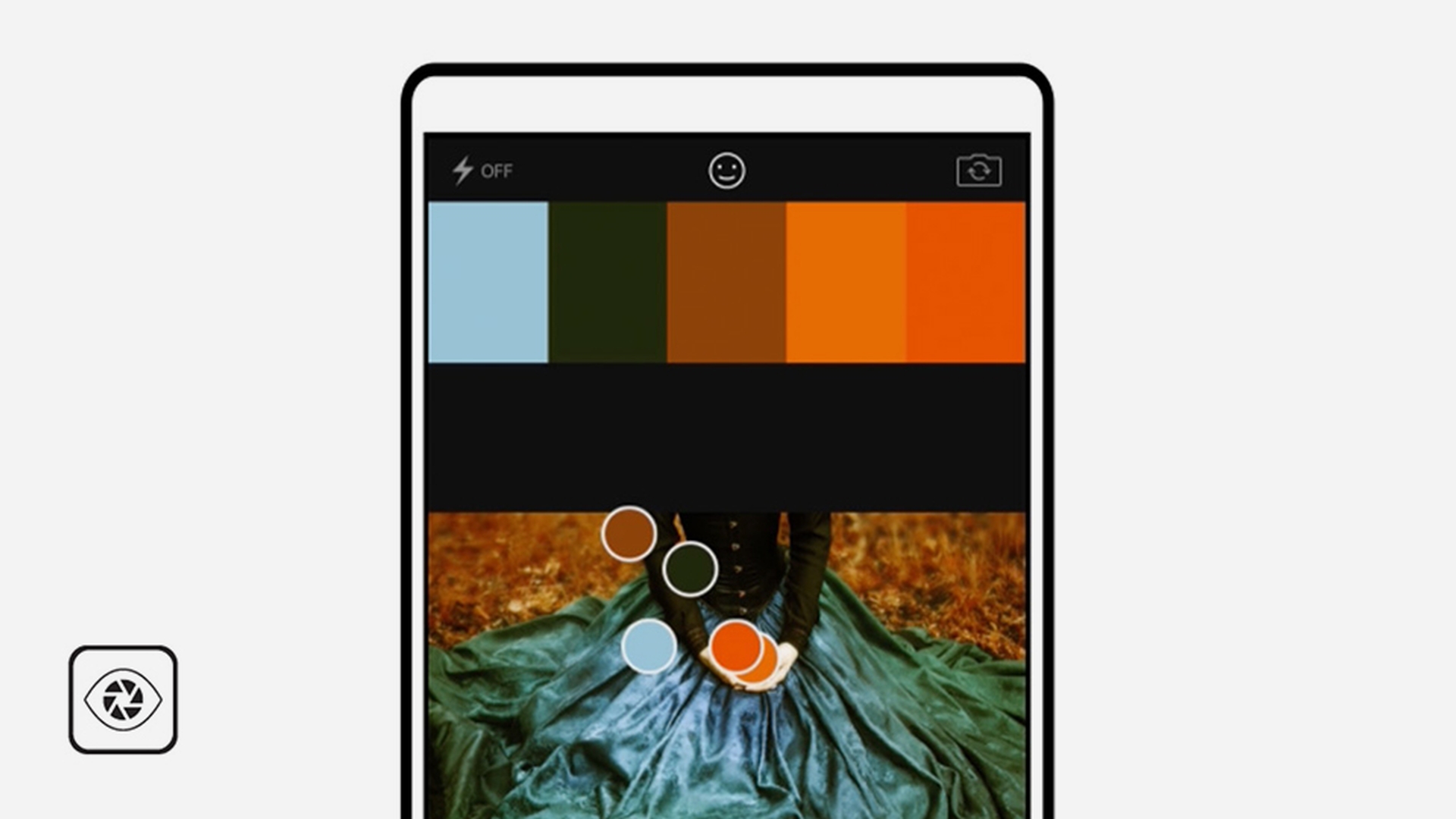
You don’t have to be a color expert to create a unique color theme. With Capture on your mobile device, you can grab colors from any scene or from a photo in your Gallery or Camera Roll. Customize and refine the colors, then save the color theme with a unique name. Now look for your custom color theme in the Libraries panel in Illustrator and use it to color your emoji.
Liven up your emoji with special effects that change its color and appearance. Apply a glow effect that adds a smooth color blend to your colored shape. From the Appearance panel, select your Fill color, and then choose Effects > Stylize > Inner Glow.
Next, add a glossy highlight. Fill a circle with a gradient. Then open the Transparency panel and change its Opacity to create subtle contouring.
Transcript not available
Add some finishing touches
Since shapes are made of vectors, you can stretch and pull them to create variations that remain editable. Select a shape and experiment with Effects to reshape it. Try the Fisheye Warp Effect to add some character quickly.
Now add fun accents in a couple of steps. Convert an oval shape into a glittering sparkle, or transform a circle into a cheerful flower with the Pucker and Bloat Effect. Tip: Select Preview to see live effects as you experiment with settings in the dialog boxes.
Transcript not available
Hope you had fun! Use your finished emoji to express yourself in your blog, website, and illustrations, or share with #madethis so we can feature it on the Adobe Students page (@adobestudents).
Cookie Settings
General information
You can control how Adobe websites use cookies and similar technologies by making choices below. But note that if you disable cookies and similar technologies entirely, Adobe websites may not function properly.
Cookies are small text files stored by your web browser when you use websites. There are also other technologies that can be used for similar purposes like HTML5 Local Storage and local shared objects, web beacons, and embedded scripts. These technologies help us do things like remembering you and your preferences when you return to our sites, measure how you use the website, conduct market research, and gather information about the ads you see and interact with.
You can make choices in the menu below about what cookies and other technologies you want us to use on Adobe sites when you visit them from this browser. You can always change those choices later by clicking on the Cookie Preferences link at the bottom of the page.
If enabled:
We can improve your experience by tailoring the site and the content to things we think might be of interest
We can better keep track of your preferences — like what language you prefer to use
We will better understand your likely interests so we can provide you more relevant Adobe ads and content on non-Adobe websites and in non-Adobe apps
It will help us improve the performance of our website and those of our partners who use the Adobe Experience Cloud
If disabled:
We won’t be able to remember you from session to session so the experience may not be tailored to your interests
You’ll still have access to the content of the site but certain features that depend on cookies may not function
You’ll still see ads, they just may not be as relevant to you
General information
You can control how Adobe websites use cookies and similar technologies by making choices below. But note that if you disable cookies and similar technologies entirely, Adobe websites may not function properly.
Cookies are small text files stored by your web browser when you use websites. There are also other technologies that can be used for similar purposes like HTML5 Local Storage, web beacons, and embedded scripts. These technologies help us do things like remembering you and your preferences when you return to our sites, measure how you use the website, conduct market research, and gather information about the ads you see and interact with.
You can make choices in the menu below about what cookies and other technologies you want us to use on Adobe sites when you visit them from this browser. You can always change those choices later by clicking on the Cookie Preferences link at the bottom of the page.
If enabled:
We can improve your experience by tailoring the site and the content to things we think might be of interest
We can better keep track of your preferences — like what language you prefer to use
We will better understand your likely interests so we can provide you more relevant Adobe ads and content on non-Adobe websites and in non-Adobe apps
It will help us improve the performance of our website and those of our partners who use the Adobe Experience Cloud
If disabled:
We won’t be able to remember you from session to session so the experience may not be tailored to your interests
We’ll still count your use of our site and services
You’ll still have access to the content of the site but certain features that depend on cookies may not function
You’ll still see ads, they just may not be as relevant to you
Operate the site and core servicesOperate site and measure engagement
Always active
These cookies are required, and they are used to enable the site and related services core functionality. Without them the site could not operate, so they cannot be disabled.
These cookies enable the site and related services’ core functionality and collect statistics about user engagement, such as counting active use to help us understand trends. These cookies cannot be disabled.
Measure performance
These cookies are used to analyze site usage to measure and improve performance. Without them Adobe cannot know what content is most valued and how often unique visitors return to the site, making it hard to improve information we offer to you.
These cookies are used to analyze site usage to measure and improve performance. Without them Adobe cannot know what content is most valued, making it hard to improve information we offer to you.
Extend functionality
These cookies are used to enhance the functionality of Adobe sites such as remembering your settings and preferences to deliver a personalized experience; for example, your username, your repeated visits, preferred language, your country, or any other saved preference.
Personalize advertising
These cookies are used to enable Adobe and our partners to serve ads more relevant to your interests. Without them you will still see ads, but they might not be as relevant to you.
Personalize advertising
These cookies are used to enable Adobe and our partners to serve ads more relevant to your interests. Without them you will still see ads, but they might not be as relevant to you.