#1e1e1e

Graphic design portfolio guide: How to plan, build, and present a graphic designer portfolio that helps you get hired.

A graphic design portfolio is your most important tool for showcasing creative skills, design thinking, and real-world problem solving. This guide walks you through every step of creating your portfolio, so you can land your dream job.

Explore Adobe Creative Cloud >

https://main--da-cc--adobecom.aem.page/in/cc-shared/fragments/merch/creativecloud/sticky-banner/intro-pricing

A graphic design portfolio is a curated collection of your best work that showcases your skills, creativity, and design thinking. It is a critical resource for any creative professional. More than just visual storytelling, your portfolio provides insight into your creative process, showing how you develop ideas, find inspiration, and move from brainstorming to finished designs.

Unlike a resume, which lists experience and qualifications, your portfolio gives employers and clients tangible proof of what you can accomplish. This is precisely why it is important that you know how to build and present your portfolio as a graphic designer.

With the right graphic design portfolio tips and thoughtful planning, your portfolio can become a powerful tool to help you get hired.

Choosing the right graphic design portfolios for you.

Understanding when to use a specific portfolio format based on your goals can help you get positive outcomes. For instance, in markets like India, most entry-level roles on platforms like Naukri or Internshala typically expect a PDF portfolio or a Behance link rather than a custom website. If you’re building a portfolio for freshers or a student portfolio, starting with these formats is often the most practical approach. On the other hand, custom portfolio websites are more valuable for freelancers and experienced professionals, as they improve online discoverability and make it easier for potential clients to find and evaluate your services.

Types of graphic design portfolios.

  1. Portfolio websites: These are best for long-term growth, personal branding, and SEO. A website gives you full control over how you present your work and helps clients find you organically, which is especially useful for freelancers.
  2. PDF portfolios: These are ideal for job applications. They’re easy to share, quick to review, and allow you to control layout and flow. Many hiring managers prefer this format for its simplicity.
  3. Portfolio platforms: Sites like Behance, Dribbble, and Adobe Portfolio are great for discoverability and community exposure. They make it easy to publish and share your work without building a site from scratch.

What to include in a graphic design portfolio.

A strong graphic design portfolio isn’t just about showing work. It’s about showing the right work, in the right way. Here’s what to include:

Best projects.

Your portfolio should feature your strongest and most relevant work. There is no fixed number that works for everyone, so it pays to customise your portfolio depending on what you want to achieve. For example, if you’re a specialist or a senior designer, featuring fewer or more focused projects (such as in branding or product design) makes more sense to effectively highlight depth in a specific niche. For freshers or career switchers, a broader range of projects is better in demonstrating versatility and potential.

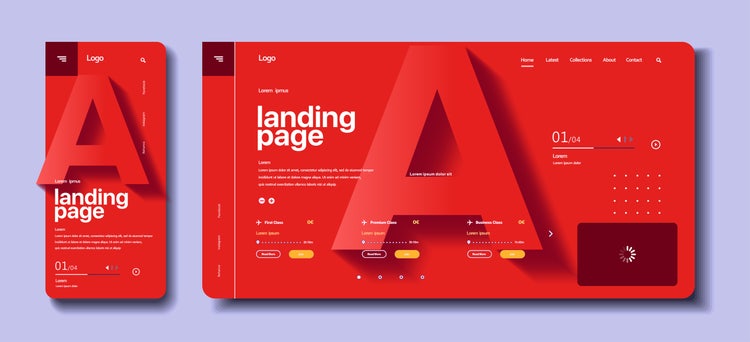
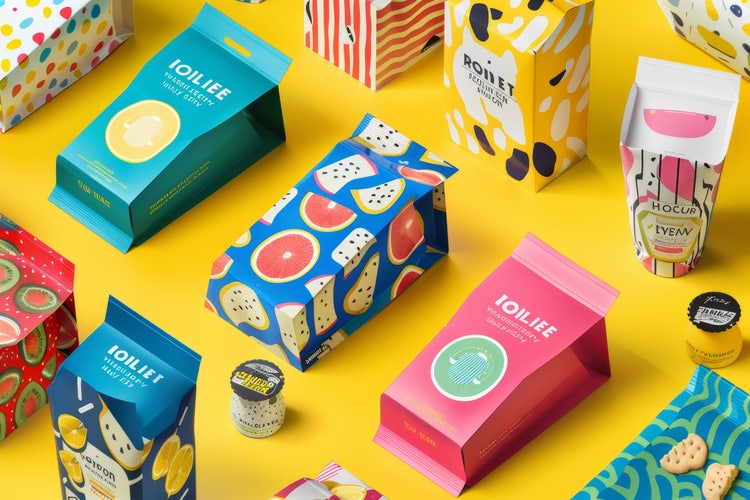
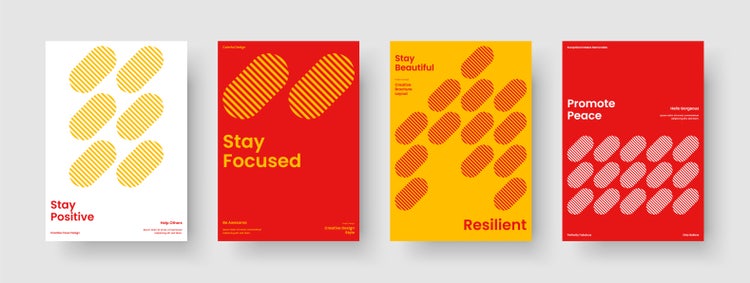
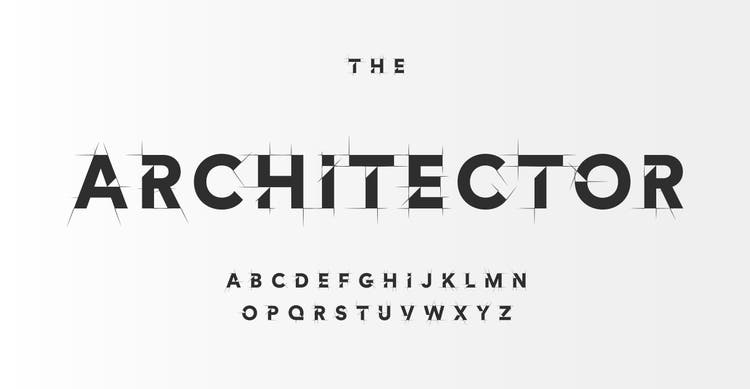
Graphic design portfolio ideas: Types of projects to feature.

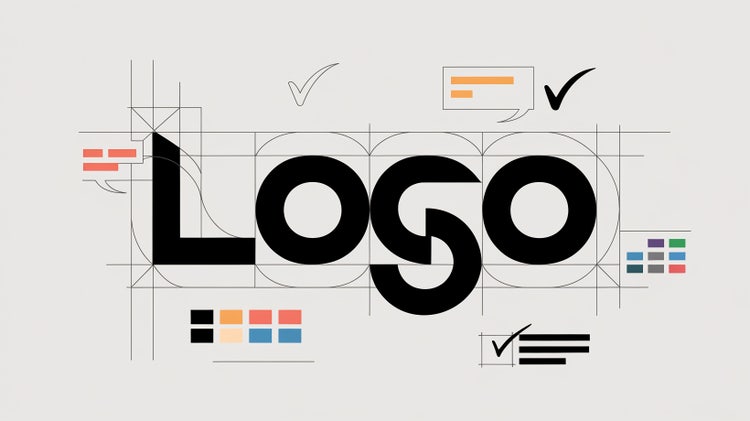
Geometric logo design mockup, showcasing a stylized "LOGO" wordmark within a grid. Brand identity and logo designs

Modern flat web design in responsive website and app, showing a large letter A against a red background. Web designs

Various vibrant packaging designs displayed on a bright yellow background. Product packaging designs

Modern flyer layout showing 4 pages with a colour theme of red and yellow. Editorial and publication layouts

Typography project showing a custom-designed alphabet set. Typography projects

Case studies and project context.

Employers and clients are not just hiring your taste; they’re hiring your thinking. Case studies show your ability to solve real design problems, which is far more valuable than aesthetics alone. Each project should go beyond visuals and include context:

  • What was the problem or brief?
  • What was your role?
  • What decisions did you make, and why?

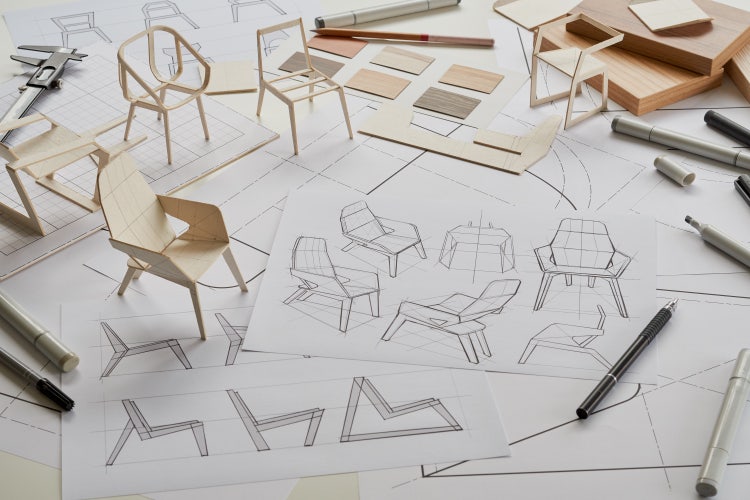
Process work (sketches and iterations).

Initial sketches of a chair design, along with 3D models, pens, rulers, and other design tools. Process work proves that your final design wasn’t accidental. It shows critical thinking, practice, and creative exploration. You can include early drafts, wireframes, sketches, or alternative concepts to demonstrate how your ideas evolved and how you refined your work.

Skills and tools used.

Clearly list the tools and skills used in each project. Recruiters often scan portfolios for specific tools or capabilities. Making this information easy to find increases your chances of passing initial screenings.

Results or impact.

Results shift your portfolio from “what it looks like” to “what it achieves.” This is especially important for roles tied to business goals. Whenever possible, include measurable outcomes, such as increased engagement, clicks, or conversions, improved brand consistency or recognition, or positive client or stakeholder feedback. If you don’t have real metrics (common in a portfolio for freshers), you can still explain the intended impact or show before-and-after comparisons.

About section and contact info.

Even the best portfolio won’t lead to opportunities if people don’t know who you are or how to reach you. This section also helps add personality and context to your work. Make sure your portfolio includes a brief “About” section that explains who you are, your design focus or interests, and the type of roles or projects you’re looking for. Always include clear contact details (email, portfolio link, or social profiles) as well.

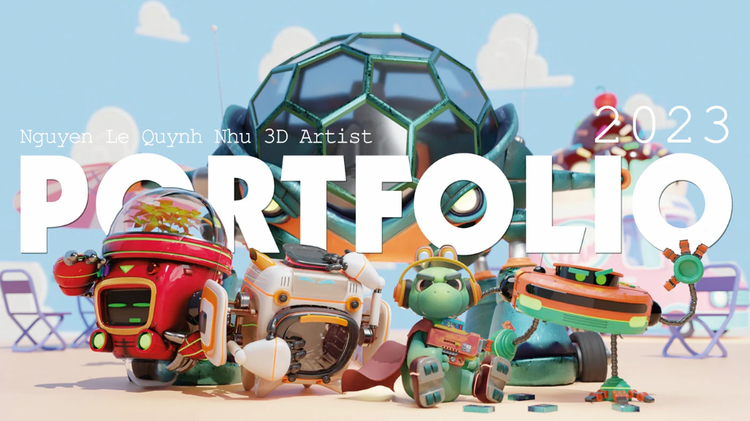
Graphic design portfolio cover page.

An example of a graphic design portfolio cover page taken from an actual graphic designer portfolio, showing 3D graphics and illustrations.
Your graphic design portfolio cover page (or landing page) is your first impression. It should be clean, visually engaging, and aligned with your personal brand. This matters because hiring managers often decide within seconds whether to continue reviewing. A polished, intentional cover sets the tone and signals professionalism from the start.

How to design the cover/landing view of a portfolio.

  1. Prioritise clarity over decoration. Your name, role, and core identity should be immediately visible. Avoid clutter or overly complex visuals that distract from who you are.
  2. Create a strong visual hook. Use a bold hero image, signature style, or striking typography that reflects your design strengths. This is your chance to communicate your aesthetic instantly.
  3. Align with your target role. If you’re applying for branding roles, your cover should feel like a brand. If you’re targeting UI/UX, it should feel structured and digital-first. Tailor the look to the work you want.
  4. Keep navigation intuitive (for websites). If it’s a portfolio website, make it easy to move into your projects. Clear calls-to-action like “View Work” or “Projects” help guide the viewer.
  5. Ensure consistency with the rest of your portfolio. Your cover page should feel like the entry point to a cohesive experience. Use consistent typography, colours, and layout systems.
  6. Optimise for format (PDF vs website). For PDF portfolios, keep it clean and printable with a strong first-page layout. For websites, consider responsiveness, loading speed, and how it appears on different devices.

How to plan and create your graphic design portfolio.

  1. Define your goal. Are you looking for a long-term job? Freelance opportunities? Building a personal brand? Getting clear on why you’re creating your portfolio will shape how you plan and build it.
  2. Select your best work. Curate projects that are relevant to the roles or clients you’re targeting. Prioritise quality over quantity and tailor your selection based on your experience level. Because recruiters often skim portfolios quickly, strong, relevant projects increase your chances of making a lasting impression.
  3. Choose the right format that works for you and the kinds of projects you want to feature. The right format ensures your portfolio is accessible, relevant, and easy for hiring managers or clients to review. You can opt for a PDF portfolio if you’re on a job hunt or go the extra step and build a portfolio website to establish professional credibility.
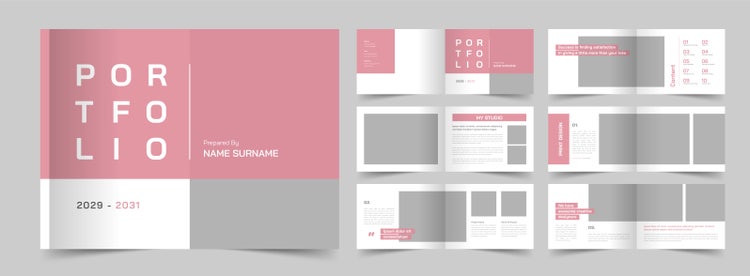
  4. Design your portfolio layout. A well-structured layout improves user experience and helps viewers quickly understand your work and process. Structure your portfolio for clarity and flow, organise projects logically, make content easy to scan, and ensure that at a glance, it reflects you and your style as a designer.
  5. Publish or export your portfolio. Even a strong portfolio can fail if it’s difficult to access or poorly formatted. Once your portfolio is ready, export a well-formatted PDF and test links, file size, and accessibility. For PDFs, it is essential to keep the size manageable for job portals and email submissions, as large files may not upload or push through.
  6. Get feedback and improve. Before sending out your portfolio, ask mentors, peers, or industry professionals for feedback. You can also tap into college placement cells or design faculty if you’re a student. Online peer review communities like design groups on Behance, LinkedIn, or Discord are also a great resource to get diverse, real-world feedback.

Graphic design portfolio for beginners (no experience).

What to include in a beginner graphic design portfolio.

Even without client work, you can build a strong graphic design portfolio by showcasing:

  • Personal projects
    Self-initiated work like logos, posters, or social media campaigns are a great starting point, especially if you’re building a student portfolio. Many beginners in India create designs around hypothetical brands or trends they see on Instagram, as these help establish your natural design style without external constraints.
  • Redesign projects
    Redesigning existing brands, apps, or packaging (such as improving the branding of a local café or a popular Indian startup) can be a powerful addition. This approach demonstrates your ability to analyse real-world design problems and propose better solutions, which is exactly what hiring managers look for.
  • Course or school projects
    Your best academic work, including assignments or capstone projects from platforms like Coursera, can form a solid foundation. College design briefs or structured coursework show that you understand design fundamentals and can follow a clear process from brief to execution.
  • Internship or training projects
    Projects completed during internships, especially through platforms like Internshala, add practical credibility. Even short-term internships can provide real-world exposure and show that you can work within deadlines and client expectations.
  • Design challenges and competitions
    Participation in online challenges (like daily UI challenges) or college fest design competitions is common among Indian students. These projects highlight your creativity under constraints and your willingness to practice consistently, both of which are valuable signals to recruiters.
  • Pro bono or freelance work
    Volunteer design work for NGOs, student organisations, or small local businesses is highly valuable. In many Indian cities, small businesses often need affordable design support. This gives beginners opportunities to gain real client experience while building their graphic designer portfolio.
  • Passion projects
    Designs inspired by your personal interests help bring personality into your portfolio. Whether it’s about cricket, Bollywood, gaming, or fashion, these projects make your work more memorable and show what you genuinely care about, which can help you stand out.

How to create portfolio projects without clients.

If you don’t have real-world projects yet, you can still build a compelling graphic design portfolio by creating structured, case study–style projects. The goal is to simulate real design scenarios and show how you think. Here’s how:

  1. Pick a fictional brand or problem. Start by choosing a realistic scenario: a fictional startup, a local café, a D2C brand, or even a redesign of an existing product. In India, many beginners create concepts around food brands, college events, or local businesses to keep things relatable. The more grounded your idea feels, the more credible your project will be.
  2. Define the goal. Clearly outline what you’re trying to achieve. Are you rebranding a company? Designing a social media campaign? Improving a website experience? Setting a specific goal gives your project direction and helps frame your decisions throughout the process.
  3. Show your process. Document how you arrived at your final design: mood boards, references, sketches, and alternative ideas. You don’t need to show everything, just enough to demonstrate your thinking. This step is crucial in showing that your work is intentional, not just aesthetic.
  4. Present the final design. Showcase your final output in a polished, professional way: through mock-ups, real-world applications, or clean layouts. Make sure your presentation matches the quality expected in a graphic designer portfolio, even if the project itself is conceptual.
  5. Get it reviewed before adding to your portfolio. Before including the project, get feedback from others. Reach out to college placement cells, design mentors, or online peer review communities on platforms like Behance or LinkedIn. In India, peer feedback (especially during placement season) can help you refine your work and catch gaps you might have missed.

Graphic design portfolio resources.

Whether you’re looking for inspiration, ready-made layouts, or guidance on different portfolio formats, the resources below will help you build a strong graphic design portfolio.

Best platforms to build a graphic design portfolio.

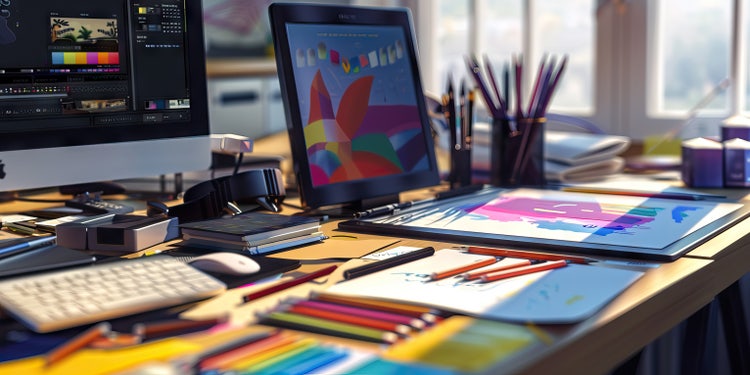
Graphic designer’s workstation with digital and traditional art supplies.

The best platform for your graphic design portfolio depends on your budget, technical comfort, and where you are in your career.

Free options for students and freshers.

Behance

Behance is a free portfolio platform with strong community exposure and is widely used in India. It’s commonly accepted on job platforms like Naukri and LinkedIn, making it a practical choice for beginners and freshers. However, customisation is limited, and you don’t fully control layout or hosting.

Adobe Portfolio

Adobe Portfolio is included free with a Creative Cloud subscription and integrates directly with Behance projects. It provides a clean, professional layout and allows you to use a custom subdomain like yourname.myportfolio.com. It’s ideal if you already use Photoshop or Illustrator as part of your workflow.

Google Sites and Notion

Google Sites and Notion are fully free and require no technical setup, making them popular among students building their first student portfolio. While design customisation is limited, they are functional for simple, structured presentations of your work.

No-code builders for freelancers ready to invest.

Wix

Wix offers a drag-and-drop builder with a wide range of templates and is beginner-friendly. It has a free plan with Wix branding, while paid plans typically start at around ₹199–₹1599/month depending on features and billing cycle. It’s a good step up for designers who want more control without coding.

Squarespace

Squarespace is known for high-quality, design-forward templates that work well for creative professionals. It is a stronger choice for freelancers building a premium-looking graphic designer portfolio, with pricing typically starting around ₹1,300–₹4000/month.

Framer

Framer is increasingly popular among Indian designers for its balance of design control and simplicity. It allows more flexibility than Wix but is easier than fully coded platforms, making it a strong middle ground for modern portfolio websites.

Full-control options for experienced designers.

Webflow

Webflow offers advanced design control without needing to write code. It is ideal for designers who understand layout systems, responsive design, and want a highly customised portfolio experience.

WordPress

WordPress provides maximum flexibility through themes and plugins but requires hosting, with shared plans usually starting at ₹99 - ₹499/month. It is best for designers who want full control over SEO, analytics, and long-term scalability.

See real examples of graphic design portfolio websites built on these platforms. If you want a starting point, browse graphic design portfolio templates.

Graphic design portfolio tips that get you hired.

  • Tailor portfolios for platforms and job roles. Different platforms require different versions of your portfolio. For job applications on Naukri or LinkedIn, a concise PDF portfolio works best because recruiters scan quickly. On platforms like Behance or your personal website, you can include detailed case studies and process work for deeper evaluation.
  • Focus on storytelling. Instead of just showing final designs, explain the journey behind each project. Include the problem, your thinking, and the solution so viewers understand how you approach design challenges.
  • Show versatility but keep a niche. Include a range of work such as branding, social media, or UI design, but avoid making your portfolio feel scattered. Ideally, your work should reflect a clear focus area while still showing adaptability.
  • Add certifications where relevant. Including certifications like Adobe Certified Professional or Google UX Certificate can strengthen your credibility, especially for entry-level roles. These are particularly useful in India, where structured qualifications often help freshers stand out in competitive hiring pools.
  • Optimise for freelance platforms. If you’re targeting freelance work, your portfolio effectively becomes your storefront. On platforms like Fiverr and Upwork, the first 2 - 3 project images often determine whether a client clicks on your profile or moves on.
  • Keep design clean and professional. Avoid cluttered layouts, inconsistent typography, or distracting visuals. A clean design helps your work stand out and ensures the focus stays on your projects, not the portfolio itself.

Common portfolio mistakes to avoid.

  • Too many projects: Including every piece of work often weakens your portfolio instead of strengthening it. A cluttered selection makes it harder for hiring managers to identify your best work quickly.
  • Poor image quality: Blurry images, inconsistent sizing, or low-resolution exports can make even good designs look unprofessional. Always ensure your visuals are sharp, well-aligned, and properly presented.
  • Not adapting content for local clients: When targeting Indian agencies or local clients, failing to include culturally relevant or regional work can be a missed opportunity. Even a simple Hindi or regional-language project can help show local market awareness.
  • Ignoring mobile optimisation: A large number of hiring managers in India may view portfolios on mobile through LinkedIn or WhatsApp. If your portfolio is not mobile-friendly, layouts may break or become difficult to navigate.
  • Presenting college work without professional context: Uploading assignments as-is (e.g., “Assignment 3” or “Semester Project”) makes your work feel academic rather than industry-ready. Reframe these projects as real-world briefs with professional titles and goals.

Create a portfolio that gets you hired.

If you’re serious about getting hired, don’t stop at your portfolio. Start building a strong graphic designer resume that works alongside it and strengthens your applications. In many hiring processes, recruiters evaluate both together. Your portfolio shows what you can do, while your resume explains who you are and how your experience supports your design skills.

Getting started is more important than getting it perfect. Focus on using the formats and tools that are most practical for where you are right now, and build from there. Most Indian designers start with Behance or Adobe Portfolio and move to a custom site as their career develops. Start where you are, not where you think you should be.

Frequently asked questions.

How many projects should a graphic design portfolio have?

There is no fixed number. A strong graphic design portfolio prioritises quality over quantity, so it’s better to include fewer strong projects than many weak ones. Beginners can show range, while more experienced designers can focus on a smaller set of specialised, high-impact work.

How do you choose projects for your portfolio?

Select projects that best reflect the type of work you want to get hired for. Prioritise relevance, clarity, and variety, and remove anything that doesn’t match your current career direction.

How do you build your portfolio as a beginner?

Start with personal projects, redesigns, and academic work. Even without clients, you can demonstrate strong thinking through structured case studies and well-presented concepts.

How do you make a graphic design portfolio with no experience?

Focus on simulated or conceptual projects such as fictional brands, redesigns, or college assignments reframed as real briefs.

How often should you update your portfolio?

Update your portfolio whenever you complete significantly better work or gain new skills. For most designers, reviewing and refreshing it every few months helps keep it relevant.

What do employers look for in a portfolio?

Employers look for clear thinking, strong fundamentals, relevant skills, and the ability to solve design problems. They also pay attention to how you present your work and explain your process.

What should I put in a portfolio if I have no client work?

Include personal projects, redesigns, college assignments, online course projects, and volunteer work. These all help demonstrate your ability to apply design skills in real or simulated scenarios.

Can I use college fest or club design work in my portfolio?

Yes, college fest posters, event branding, and club creatives are excellent additions, especially for a student portfolio. Just present them with context so they feel like professional case studies.

Should I include work done during an internship?

Yes, internship projects are highly valuable because they show real-world experience. Platforms like Internshala are commonly used in India, and including such work strengthens your credibility as a fresher.

Do I need a custom website or is Behance enough to get hired?

Behance is enough for entry-level roles and is widely accepted in India, especially for applications on Naukri and LinkedIn. A custom website becomes more important when you start freelancing or building a long-term personal brand.

How do I present my portfolio in a job interview?

Present it as a story, not just a gallery. Walk the interviewer through your process, explain your decisions, and highlight how each project solves a specific problem.
https://main--da-cc--adobecom.aem.page/in/cc-shared/fragments/creativity-for-all/default

More resources

Content as a Service v3 - file-type design collection - Tuesday, 21 July 2026 at 21:48