
video
How to reverse video footage in Adobe Premiere.
Rewind your video files quickly and easily. Find out why Premiere is an easy video reverser for video files of all types.


video
Rewind your video files quickly and easily. Find out why Premiere is an easy video reverser for video files of all types.
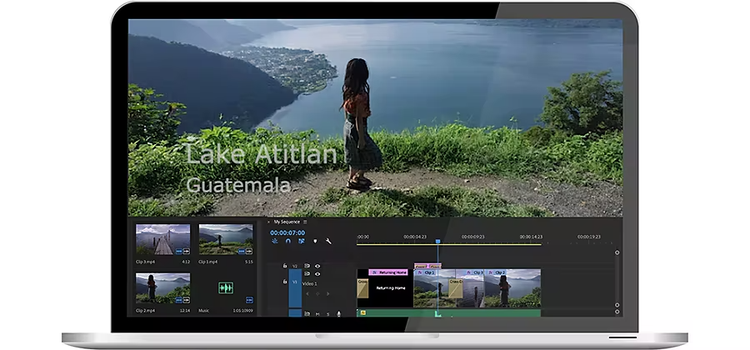
Have you ever been captivated by a scene where shattered glass rises from the floor and reforms into a perfect window, or where water leaps from the ground back into a bottle? That seamless rewind moment is created using the reverse video effect.
Technically, reversing a video means playing each frame in the opposite order from which it was recorded. Instead of frames progressing forward in time, they are displayed in reverse sequence. This creates the illusion that actions are moving backwards. When paired with adjusted speed settings, you can also create a rewind video effect that mimics time rewinding rapidly.
Video editors use this technique to:
Whether you want to understand how to reverse a video for storytelling or learn how to make a reverse video for digital content, mastering this simple technique opens up powerful editing possibilities.
Now let’s explore why backward video continues to intrigue audiences.
Reversing video is a well-established special effect with many uses. When scenes unfold in reverse, they capture attention in powerful ways:
A backward-moving action immediately makes viewers question what they are seeing. Whether it is a slow-motion instant replay or an everyday action rewinding, reverse video naturally sparks intrigue.
Reverse sequences can heighten emotion. In the music video for Lake and Lyndale’s “There’s a Weight,” the singer performs the song backward in real time so it appears normal once reversed, creating a striking and memorable experience.
Playing footage in reverse can unsettle audiences. The opening scene of the film Memento, where bullets fly backward into a gun, demonstrates how reversing footage can shift tone and deepen narrative impact.
Whatever mood or tone you’re looking for, the tools to reverse video are at your fingertips.
Reversing video footage dates back to the earliest days of film. In 1896, Louis Lumiere made a 90-second film called "Demolition of a Wall" that’s the first known use of the reverse effect. In it, workers tear down a wall and then, miraculously, the footage rewinds and the wall stands up again. Lumiere did a lot of work to achieve his reverse effect. Today, video editors can easily rewind fast-moving sports action, produce dramatic storytelling moments, or create engaging backward social media clips.
Choose the files you want to reverse and begin your project by importing them into Premiere.
Premiere supports a wide variety of video formats, including MP4, MPG, MOV and QuickTime files, along with multiple audio formats.
Reversing a clip in Premiere is a simple task.
When you reverse a clip in Premiere, the audio reverses automatically. If you prefer not to use reverse audio, you can unlink the audio track and replace it with music, sound effects or a voice-over.
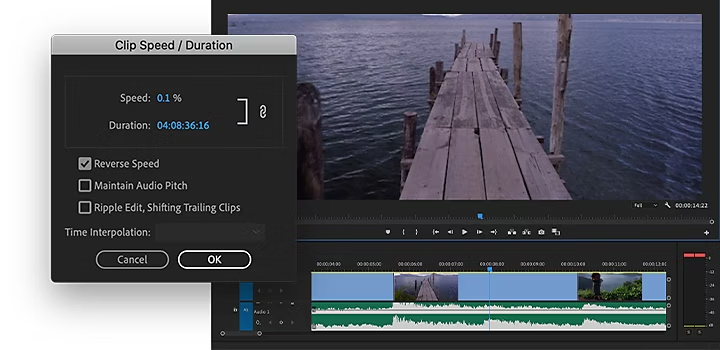
After selecting Reverse Speed, you can customise how fast or slow your reversed footage plays.
Video speed is measured against a baseline of 100 percent:
Adjusting speed allows you to create dramatic slow reversals or dynamic rewind transitions, depending on your creative goal.
Once you’ve added your reversed clips to your project, you are ready to export.
Premiere allows you to optimise your reversed video for social media platforms, websites or professional delivery formats.
Reversed footage is one way to put your stamp on a project as an editor. Whether you’re making a music video or an action-packed GoPro project, it gives you a chance to play with video editing software. Recording footage is only the beginning of the creative process. Editing (including reversing) is when the most rewarding work of filmmaking begins.

Based on your location, we think you may prefer the United States website, where you'll get regional content, offerings, and pricing.


