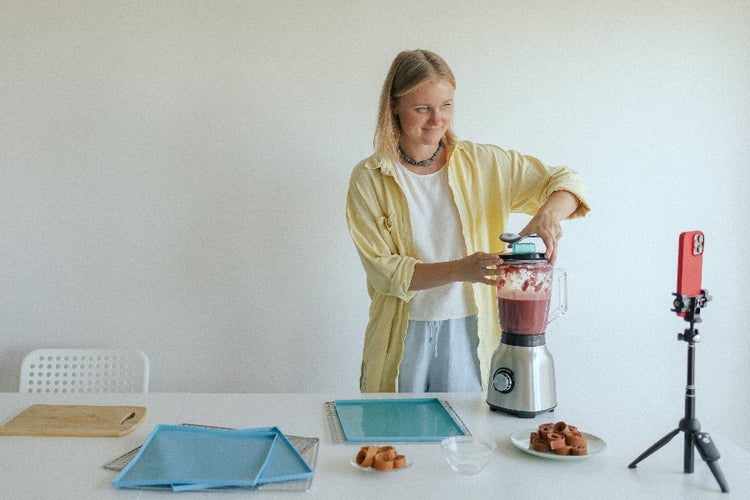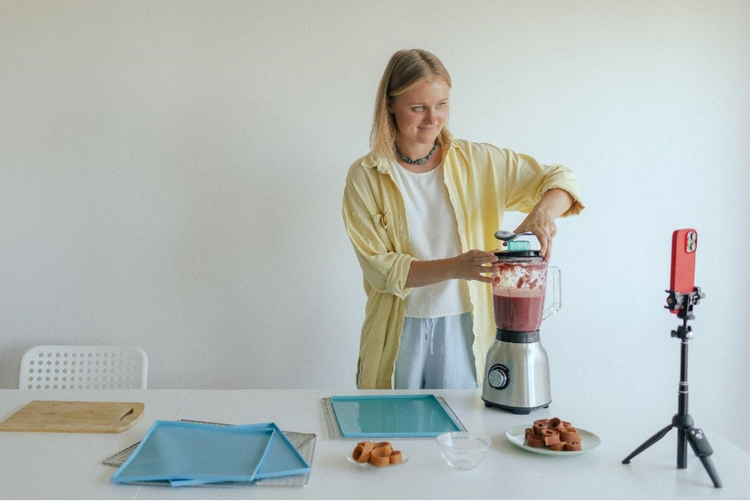

UGC ads: What they are, how they work, and how to create them.
Consumers scroll fast, but they stop for content that feels genuine. UGC ads mimic real user posts to help brands spark conversations and shares across Instagram, TikTok, YouTube, and other digital platforms.

https://main--cc--adobecom.aem.live/cc-shared/assets/img/product-icons/svg/firefly-80.svg
Adobe Firefly
https://main--cc--adobecom.aem.live/cc-shared/assets/img/product-icons/svg/firefly-80.svg
Adobe Firefly
The next evolution of creative AI is here for all your ideas, with image, video, audio and vector tools.
User-generated content (UGC) ads have become one of the most effective ways for brands to connect with modern audiences. Across Australia’s digital landscape, for instance, where consumers spend hours daily on social platforms, UGC ads feel more authentic, relatable, and trustworthy than traditional advertising. These ads mirror real people, real experiences, and real opinions.
With the rise of AI-powered creative tools, brands no longer need to rely solely on creators or large production budgets to scale UGC ads. With tools like Adobe Firefly, businesses can create UGC-style content quickly, cost-effectively, and in a brand-safe way.
What are UGC ads?
UGC ads are paid advertisements designed to look and feel like user-generated content. Rather than appearing as obvious brand promotions, they mimic the style of everyday social posts. They often feature casual language, natural visuals, and first-person storytelling. This format helps brands blend seamlessly into social feeds, increasing engagement and reducing ad fatigue.
Key characteristics of UGC ads:
- A casual, non-corporate tone
- Creator- or user-style storytelling
- Vertical, mobile-first formats
- Strong emotional or practical relatability
How do UGC ads work?
UGC ads leverage social proof and relatability. When users see content that looks like it was created by someone just like them, they are more likely to trust the message and engage with the brand. Instead of being “sold to,” viewers feel like they are receiving a recommendation.
From a performance perspective, UGC ads are highly effective across the marketing funnel:
- Awareness: Native-looking videos stop the scroll
- Consideration: Testimonials and demos answer real questions
- Conversion: Authentic endorsements reduce hesitation
Types of UGC ads.

UGC ads come in many formats, allowing brands to choose the style that best fits their platform, audience, and campaign goals. Across Australia’s digital landscape, users engage with content across video, images, and text. This makes it essential to explore multiple UGC ad types to make brands feel relevant and relatable for broad audiences.
Video UGC ads.
Video is the most powerful UGC format, especially on platforms like Instagram Reels, YouTube Shorts, and Facebook. Video UGC ads feel natural in social feeds and allow brands to demonstrate value quickly.
Common video UGC ad formats:
- Unboxing videos: The focus primarily revolves around first impressions and thoughts on packaging, branding, and receiving the product. For example: a creator shares their excitement unboxing a new skincare set at home and highlights the quality and aesthetics of each product.
- Product demonstrations/tutorials: The main goal is to show how a product is used and can fit into daily life of consumers. For example: a tech blogger demonstrates how to use a smart refrigerator and why it's a practical addition to a modern Australian kitchen.
- Testimonials/reviews: This usually involves a person talking directly to the camera while sharing their experience with a product/service. For example: a student shares their positive experience with an online learning platform like Moodle, explaining how it helped them improve grades.
- Before-and-after videos: These types of videos are often used in beauty, fitness, and home renovation niches to show clear, visual proof of transformation. For example: a fitness coach documents a client’s progress after following a home workout routine.
- Problem-and-solution videos: The goal here is to highlight a pain point and show how a product solves the problem. For example: a laundry shop owner discusses stained clothes and shows the most effective product to get them out.
- Voiceover/green-screen videos: This is where creators explain or react to content on screen, typically with their head visible while something else is shown in the background. For example: a tech reviewer explains features of budget smartphones while showing screen recordings of various performance tests.
Image UGC ads.
Image-based UGC ads focus on authenticity over perfection. Instead of high-quality, professionally taken photos, these visuals show products in real-life settings and applications. Showcasing products in everyday environments, such as homes, offices, or local settings, help make them feel more familiar and accessible.
For example, a shopper posts their OOTD on Instagram or TikTok to showcase a recent fashion purchase. Instead of feeling like an ad, these images resemble peer recommendations. Additionally, image UGC is highly shareable, often repurposed across various social media platforms, giving marketers a cost-effective way to generate authentic content at scale.
Written and social UGC ads.
Written UGC ads leverage real words from real users. Unlike traditional ad copy, these formats showcase genuine opinions, experiences, and feedback. They are effective because consumers often research extensively before making purchases and rely heavily on peer insights, reviews, and recommendations.
Key formats include:
- Customer reviews/testimonials: These can be screenshots or excerpts from platforms like Amazon Australia, THE ICONIC, or Chemist Warehouse, which show customer experience regarding product quality, price, usability, or even delivery. For instance, a buyer might share a detailed review of an electric scooter praising its mileage and build quality, which resonates with potential buyers considering the same purchase.
- Social media comments/posts: Brands can repurpose organic comments, tweets, or Instagram posts that praise their products or services. For example, reposting a customer’s celebratory post about receiving timely Uber Eats or DoorDash deliveries adds authenticity and demonstrates real-world engagement.
- Case studies: These are story-driven content that explains how a product solved a problem or improved a user’s life. For instance, a marketing manager in Melbourne might share how they used Adobe Firefly to quickly generate region-specific UGC content, scaling multiple ad variations for Instagram and YouTube campaigns while maintaining brand consistency.
Interactive and creator-led UGC ads.
These UGC ads combine authenticity with engagement or participation, encouraging users to interact while remaining platform-native. Contests and giveaways are a common type of interactive UGC ads. These campaigns invite users to actively participate by creating content themselves. Participants might submit videos, images, or short stories showcasing how they use a product, often under a branded hashtag. Some notable examples over the past years:
- Coca-Cola's “Share a Coke”: First launched in Australia in October 2011, this campaign encouraged consumers to share photos of personalised Coke bottles featuring their names or the names of friends and family. Users posted their content across Instagram, Facebook, and other social platforms, turning everyday purchases into highly shareable social moments.
- Tourism Australia’s Come and say G’day: This ongoing campaign encourages travellers, tourism operators, and local businesses to share photos and videos of Australian destinations and experiences using the hashtags #ComeAndSayGday and #SeeAustralia. Selected submissions are then featured across Tourism Australia’s social media channels to showcase authentic travel experiences while encouraging broader community participation.
- BCF’s #BCFingFun: BCF encourages outdoor enthusiasts to share photos, videos, reviews, and stories from their fishing, camping, and boating adventures using the #BCFingFun hashtag. By highlighting authentic customer-created content across its social platforms, BCF is able to give focus to real-world product experiences while fostering a strong sense of community among Australian outdoor enthusiasts.
Can AI create an advertisement?
AI tools now go beyond basic automation: they assist with ideation, visual generation, video creation, editing, and optimisation. These advancements enable companies to leverage AI to create advertisements, particularly UGC-style content that feels authentic, relatable, and native to social platforms.
Instead of replacing human creativity, AI acts as a force multiplier that helps marketing teams work faster, test more ideas, and respond to trends as fast as possible. AI makes it possible to:
- Produce content at scale: Generate multiple variations of UGC ads, from short-form videos to social media posts, without relying entirely on creators or expensive production teams.
- Reduce creative costs: Create professional-looking visuals, videos, and text-driven ads with minimal resources, making it ideal for Australian small and medium-sized businesses.
- Maintain consistency across campaigns: Ensure brand elements, messaging, and tone remain consistent across platforms, languages, and regions.
- Adapt quickly to trends: Capture fleeting cultural moments, festivals, or trending challenges in real time and post ads that resonate with audiences before the hype dies down.
How Adobe Firefly supports AI-powered UGC ads.
Adobe Firefly is designed to help brands create AI-powered UGC ads that are scalable, brand-safe, and ready for commercial use. From early ideation to final execution, Firefly has the tools to make sure content aligns with legal and creative standards while retaining originality.
Generate AI images.

Creatives can create realistic, lifestyle-focused visuals that mirror daily life in homes, offices, cafés, or local streets. This Text-to-Image feature enables teams to use prompts to gain full control of the end result, giving instructions regarding art style, colour, theme, and other visual elements.
Generate AI videos and animations.
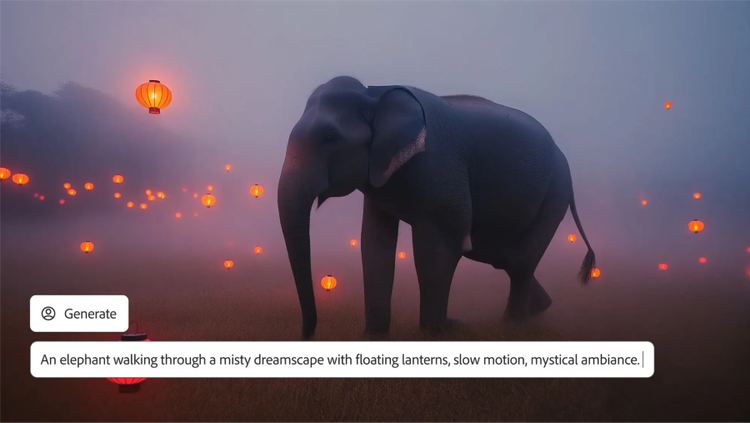
Firefly enables brands to generate short-form, UGC-style video content suitable for Instagram Reels, YouTube Shorts, and Facebook. These videos can replicate common UGC formats such as product demos, testimonials, or “day in the life” moments without the need for extensive filming. Users have the option to generate AI videos using text prompts or images, giving them freedom to create with or without existing assets.
Build storyboards and moodboards.
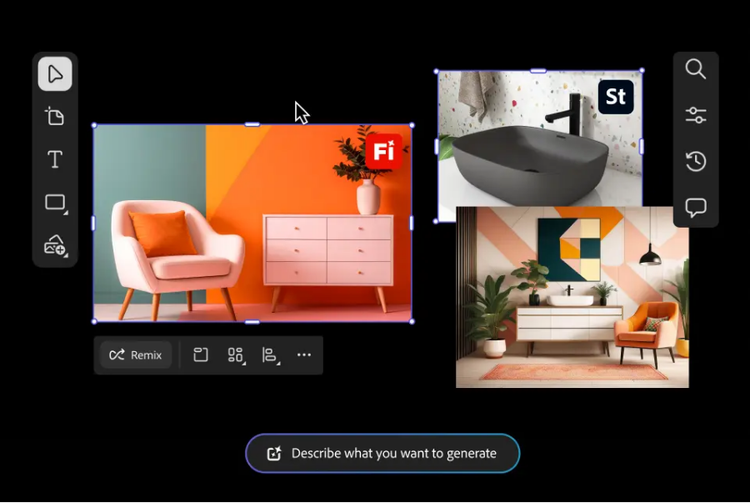
Before launching a campaign, teams can use Firefly to quickly visualise concepts through AI-generated storyboards and moodboards. This helps align stakeholders, creators, and agencies on tone, aesthetic, and messaging before going full steam ahead on a project. This is especially useful for seasonal campaigns, major retail events, or cultural moments.
Dub content with AI and add multilingual voiceovers.
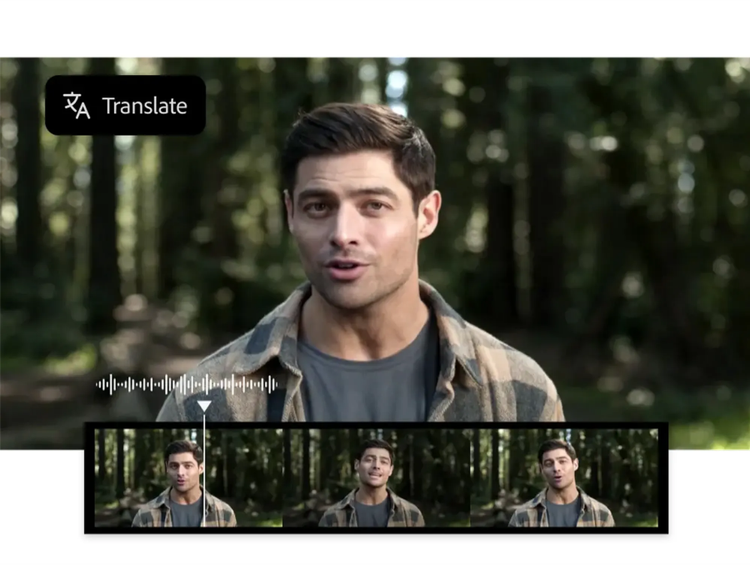
For diverse audiences throughout Australia, Firefly makes it easier to localise UGC ads by adding AI-powered voiceovers or dubbing content into different languages. This allows brands to adapt the same UGC concept to other regional audiences without needing to produce all-new content from scratch. This also allows brands to deliver messages that sounds natural and relatable, which leads to trust and better engagement.
Incorporate AI-generated music and sound elements
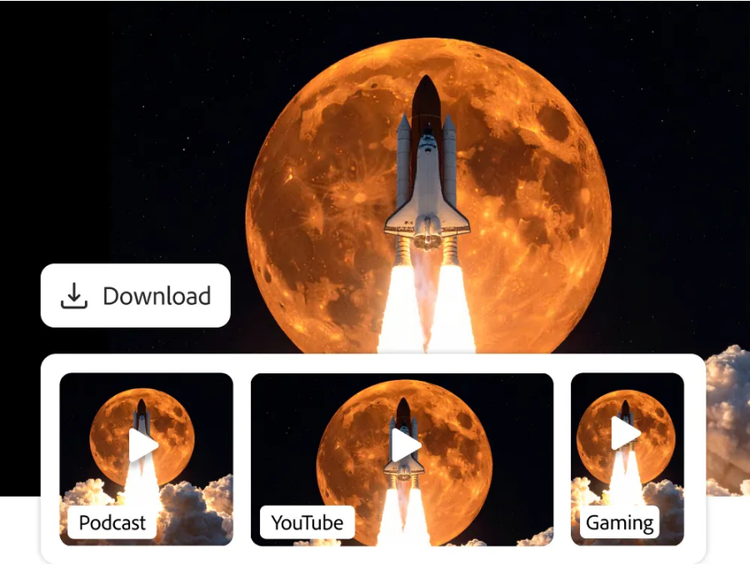
Firefly can assist with adding background music or audio elements that enhance short-form UGC videos. AI analyses the footage and generates music to match your story, tone, and vibe. Users can select from Firefly-provided prompts or enter their own, allowing ads to feel more native to social platforms without manual editing.
Maintain brand consistency across campaigns.
Firefly works directly within Adobe Express, Photoshop, Illustrator, and other Creative Cloud apps, so teams can create and scale campaign assets faster without switching tools. This means users can preserve brand colours, logos, and visual identity and maintain consistency while producing high-volume content across regions, languages, and platforms.
Best practices for creating high-performing UGC ads.
UGC ads succeed because they feel real. On social platforms, audiences are quick to scroll past content that looks overly staged or generic. What consistently resonates are stories that reflect everyday moments, local contexts, and familiar challenges.
Here are some key best practices when creating UGC:
- Design for mobile-first, short-form viewing.
From Instagram Reels to YouTube Shorts, short-form vertical video remains one of the most popular content formats in Australia. Content should get to the point quickly, with clear visuals and a strong opening hook that works even on low attention spans and varying network speeds.
- Optimise for sound-off and multilingual audiences.
Many users watch content without audio, making subtitles, on-screen text, and visual cues essential for engagement. These elements also help brands adapt messaging for Australia's diverse communities, including audiences with different cultural backgrounds and language preferences, while maintaining a consistent creative idea.
- Anchor content in real, local use cases.
The strongest UGC reflects everyday situations: commutes, family routines, weekend adventures, community events, or small wins at work. Visual planning tools like storyboards and moodboards can help teams map these moments in advance to ensure content feels relatable across regions while staying aligned with brand guidelines.
- Create room for variation and experimentation.
There is no single format that works everywhere. Testing different hooks, visuals, and narratives is essential, particularly when running campaigns across markets, communities, and platforms. The ability to quickly generate and adapt creative variations helps brands respond to performance insights without slowing down production.
Frequently asked questions.
What is a UGC video?
How do you make UGC videos?
How do UGC ads differ from traditional ads?
Why are UGC ads effective in Australia?
Are UGC ads suitable for all industries?
How can AI help localise UGC ads in Australia?
How do brands measure the success of UGC ads?
You may also like