Creativity for all
Photography, video, graphic design, illustration and so much more. Everything you need, wherever your imagination takes you.


GRAPHIC DESIGN
Explore the most common types of graphic design and discover how each specialisation is used across India. From startup branding and cricket campaigns to food delivery apps, educational platforms, local businesses, streaming services, and consumer brands, graphic designers help shape the visuals people interact with every day.
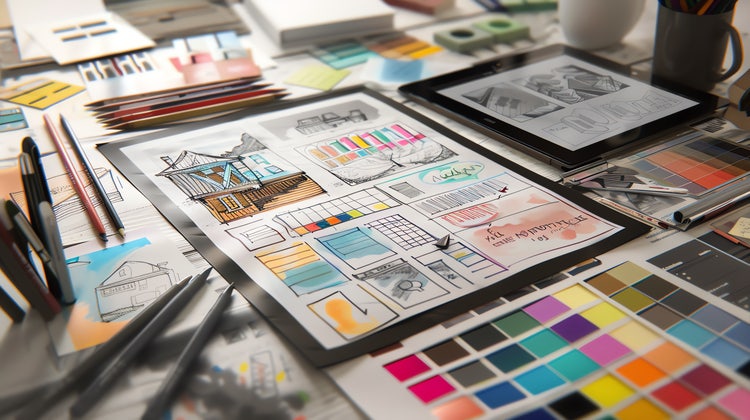
Graphic design has grown extensively into a diverse profession over the years. From branding and packaging to websites and social media, each area requires different skills and expertise. As a result, many designers choose to specialise rather than work across every discipline.
The rise of digital products and new technologies has further expanded the field. Businesses increasingly need designers for websites, mobile apps, motion graphics, interactive content, and other digital experiences. This means designers must understand how visuals engage users across various devices and platforms.
At the same time, employers are seeking professionals with niche design skills that align with specific industries and business objectives. Whether in e-commerce, education, entertainment, technology, healthcare, or advertising, specialised designers take the important role of helping organisations communicate more effectively with their audiences.
For students, aspiring designers, and career switchers, gaining a full understanding of graphic design disciplines is important because:
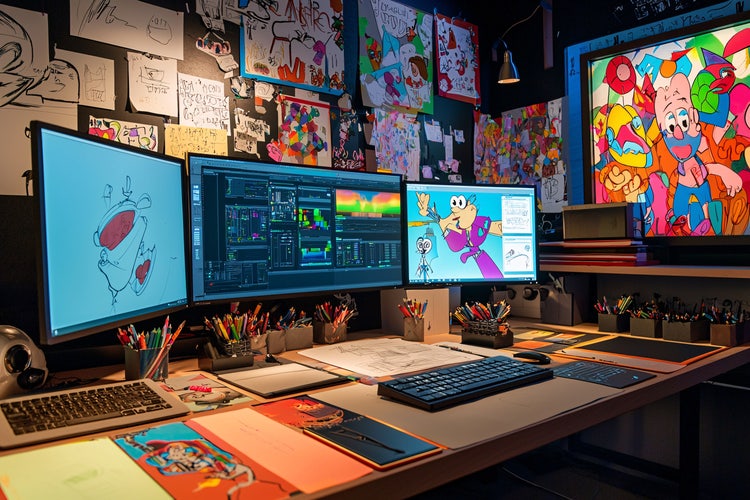
Graphic design encompasses a wide range of disciplines, each serving a distinct purpose in visual communication. The following are some of the most common types of graphic design and their primary applications.
Visual identity design focuses on creating the visual elements that represent a brand. It establishes a consistent look and feel across every customer touchpoint, helping organisations build recognition, communicate their values, and differentiate themselves in competitive markets.
Visual identity is commonly developed by brand designers, who work closely with marketing teams, creative directors, and business stakeholders to ensure consistency across all branded materials. Explore how to become a brand identity designer.
Common deliverables include:
Marketing and advertising design involves creating visual content that promotes products, services, campaigns, and brands. The goal is to communicate key messages clearly while encouraging audience engagement across digital and print channels.
This discipline supports businesses across industries and is particularly important for digital marketing, e-commerce, performance advertising, and India's growing startup ecosystem. Designers may create Diwali sale banners, IPL campaign visuals, festive marketplace ads, regional-language social media posts, mall posters, influencer collaboration graphics, and performance creatives for platforms like Instagram Reels and YouTube.
Typical deliverables include:
User interface (UI) and user experience (UX) design are closely related disciplines that shape how people interact with digital products such as websites, mobile applications, and software platforms. While UI design focuses on the visual and interactive elements of an interface, UX design focuses on creating intuitive, accessible, and user-centred experiences that help people complete tasks efficiently. Together, UI and UX design ensure that digital products are both visually engaging and easy to use, balancing aesthetics with functionality.
UI and UX design are essential to digital product development and are widely used across India's technology, fintech, e-commerce, edtech, healthcare, and SaaS sectors. This may involve simplifying UPI payment journeys, improving food delivery ordering experiences on platforms like Zomato and Swiggy, streamlining railway or travel bookings, helping students access online learning platforms more easily, or making healthcare services such as eSanjeevani more user-friendly for patients seeking virtual consultations. Learn more about a career in visual design.
Common UI design elements include:
Common UX deliverables include:
Web design combines graphic design principles with usability and responsive design to ensure websites are visually appealing, easy to navigate, and accessible across different devices.
As businesses continue to invest in digital-first experiences, web design has become an essential part of workflow processes for e-commerce, education, finance, healthcare, and more. While it often overlaps with user interface (UI) and user experience (UX) design, web design focuses specifically on creating effective and engaging experiences for the web.
In India, web designers may create shopping experiences similar to Myntra, build websites for coaching providers such as Physics Wallah, design online booking journeys for travel brands like MakeMyTrip, or develop mobile-first sites for local restaurants and service businesses.
Common applications include:
Editorial design, which is also known as publication design, focuses on organising written content into visually structured layouts that improve readability and enhance the overall reading experience. It combines typography, imagery, and layout principles to produce publications that are both informative and visually engaging.
This type of graphic design is widely used in publishing, education, corporate communications, journalism, and editorial media, where clear information hierarchy and consistent layouts are essential.
Editorial designers may work on books, zines, newspapers, children's books from publishers such as Tulika Publishers, regional-language publications like Dainik Bhaskar and Dainik Jagran, as well as sports campaign materials, festival promotion collateral. They may also contribute to social awareness campaigns such as The Live Love Laugh Foundation's Dobara Poocho initiative to communicate important messages to diverse audiences across the country.
Packaging design centres on creating the visual appearance and structural layout of product packaging. It brings together branding, functionality, and consumer appeal to communicate key information, protect products during transport, and influence purchasing decisions both in retail stores and on e-commerce marketplaces.
Packaging design is widely used across industries such as retail, food and beverage, beauty, healthcare, and consumer goods. In the Indian market, packaging design can be especially important for products like masalas, tea, local sweets and snacks, and ayurvedic skincare sold through kirana-style retail and online marketplaces like Nykaa.
Common applications include:
Illustration focuses on creating original artwork to communicate ideas, tell stories, or reinforce a brand's visual identity. Unlike photography or stock graphics, illustrations are custom-made to suit a specific audience, message, or creative style, making them a versatile tool for both digital and print media.
In India, illustration is widely used in publishing, advertising, entertainment, education, e-commerce, and branding. It helps businesses and organisations create memorable visual experiences that connect with diverse audiences and stand out in a competitive market.
Common applications include:
Motion graphics design combines graphic design with animation to create moving visual content. By adding movement, transitions, and visual effects, this discipline helps explain ideas, capture attention, and improve audience engagement across digital platforms.
Motion graphics has become increasingly valuable as brands invest in short-form videos, OTT advertising, influencer marketing, social media campaigns, and digital storytelling.
Common applications include:
Environmental graphic design applies graphic design principles to physical spaces, helping people navigate, interact with, and experience built environments more effectively. It combines visual communication with architecture, interior design, and spatial planning to create environments that are both functional and visually engaging.
Common applications include:
A notable example is the Bihar Museum in Patna, which houses a comprehensive brand identity and wayfinding system that connects the museum's architecture with India's cultural heritage. The project incorporated Indian visual symbols and multilingual navigation systems to help both local and international visitors move through the space more easily.
If you're new to graphic design, the variety of disciplines can seem overwhelming. This at-a-glance comparison summarises the main purpose and common applications of each graphic design discipline, making it easier to understand their differences and identify the areas that interest you most.
Whether you're interested in building brands, designing digital products, creating illustrations, or producing animated content, each discipline offers unique career opportunities across industries. Exploring these specialisations can help you make informed decisions about your learning path, portfolio, and future career.
Check these guides to learn more about each discipline and the steps to get started.
Learn what visual designers do, the skills employers look for, and how to start a career in visual design.
Discover how to build expertise in branding, visual identity systems, and logo design.
Explore the skills, tools, portfolio requirements, and career opportunities for professional illustrators.
Understand the fundamentals of UI and UX, including essential skills and career pathways.
Learn how animation, storytelling, and design come together to create engaging digital content.
Photography, video, graphic design, illustration and so much more. Everything you need, wherever your imagination takes you.
Based on your location, we think you may prefer the United States website, where you'll get regional content, offerings, and pricing.