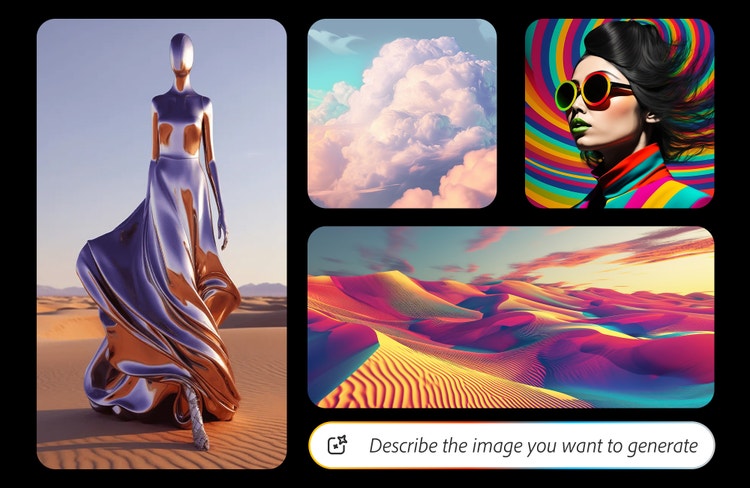
Step into the future with Adobe Firefly.
Use generative AI and simple prompts to create the highest-quality output — images, text effects, colour palettes and more.


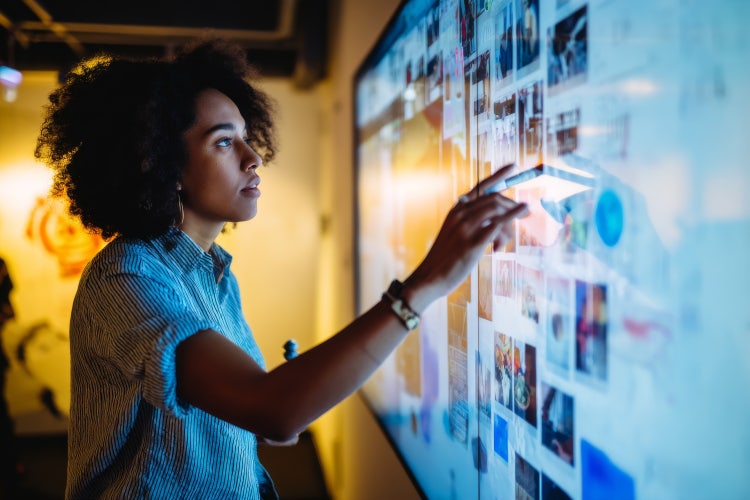
Mood boards have long been a go-to tool for creative professionals—one of the most effective ways to turn ideas into a shared visual language. By combining references, textures, and visual cues, they help teams align on style, capture the overall vibe, and transform abstract concepts into something tangible.
Whether you're developing a brand identity, planning a campaign, or designing a product, mood boards provide a visual framework that speeds up collaboration and keeps creative direction consistent.
But building them takes time. Sourcing hundreds of images, spotting themes, and curating the right mix can be a slow process. That’s where AI comes in. Generative tools like Adobe Firefly can instantly produce tailored visuals. Instead of replacing the designer’s creative vision, AI acts as a springboard—giving creatives more time to explore, iterate, and elevate their ideas.
For interior designers, mood boards communicate the overall vision for a room or an entire building. A more traditional interior design mood board would compile material samples (fabrics, tiles, wood grain), furniture silhouettes, and a core colour palette. Together, these elements give clients and collaborators a clear sense of the mood and direction of the project.
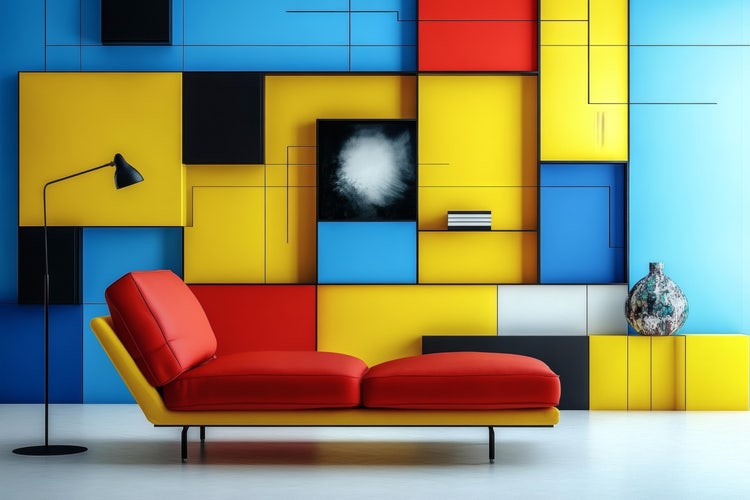
In marketing and advertising, mood boards play a key role in shaping the visual identity of a campaign before production begins. They often combine competitor insights, photography styles, typography, and colour schemes to define the desired aesthetic. Mood boards also serve as powerful presentation tools—helping teams pitch ideas and enabling clients to clearly visualise the creative direction early in the process.
In fashion, mood boards are essential for shaping collections and campaigns. Designers use them to gather references that capture the spirit of a season—whether through fabric swatches, colour palettes, archive imagery, or cultural influences like art, nature, or street style.
But it’s not just designers. Stylists and art directors also rely on mood boards to plan shoots, ensuring that clothing, locations, props, and lighting work together to create a cohesive visual story.
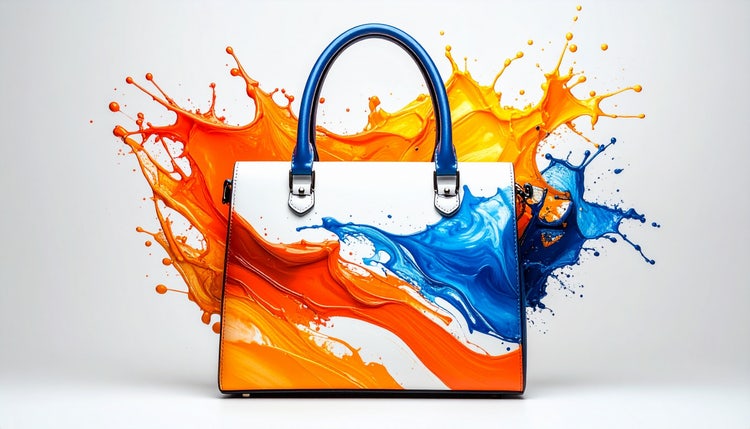
In game development, mood boards are a vital tool used early in the creative process—when the visual identity of a game world is still taking shape. Art directors use them to explore different stylistic directions, whether aiming for something gritty and realistic, cartoonish, or highly stylised. These boards often include architectural references, lighting concepts, character sketches, textures, and cinematic stills.
Once a direction is chosen, mood boards evolve into detailed concept art and eventually a formal style guide. This guide defines key visual elements—like colour palettes, proportions, and environments—ensuring consistency across large teams of designers and artists.
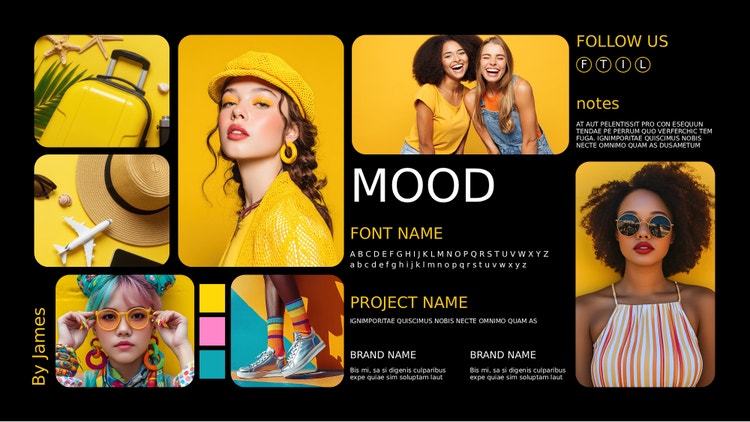
Generative AI is reshaping how designers develop ideas and build mood boards. Instead of spending hours sourcing reference materials, creatives can now generate tailored imagery in seconds—accelerating the process and unlocking new possibilities.
With tools like Adobe Firefly, designers can quickly test alternative colour palettes, explore textures, and experiment with styles that might otherwise be overlooked. AI becomes a creative partner—enhancing inspiration, not replacing it.
Integrating AI into your workflow is simple. Just write prompts that describe the mood, colour palette, subject matter, or aesthetic you're aiming for. The AI generates visuals based on your input, which can then be refined, combined with existing references, and arranged into cohesive mood boards.
These boards help teams and clients clearly understand the creative direction—early in the process and with greater precision.
Want to get started with mood boarding? Check out Firefly’s AI Mood Board maker.
Prompts are the starting point for AI-generated imagery, and the right wording can unlock entirely new creative directions. For designers building mood boards, prompts can be tailored to explore specific aesthetics, environments, or moods. Here are a few examples:
By refining prompts to include style references, materials, colours, or cultural influences, designers can quickly generate compelling starting points for mood boards. These outputs can then be curated and polished — fuelling a faster, more diverse flow of creative inspiration.
Design trends are constantly evolving, with some styles gaining momentum while others fade. To uncover what’s currently resonating with creatives, we analysed digital design projects published on Behance and Tumblr over the past year—focusing on the most frequently used style tags across thousands of posts.
Based on our analysis of data collected from Behance and Tumblr, the Y2K aesthetic has led digital design projects over the past year. Other nostalgic styles—like Vaporwave, Grunge, Retro, and Cottagecore—have also remained popular among designers.
Meanwhile, movements such as Dark Academia, Brutalism, and Kawaii have gained momentum, reflecting a broader mix of cultural influences shaping today’s design landscape.
Ready to explore and experiment with your ideas? Start creating and curating your AI-powered mood boards with Adobe Firefly today.
We identified 30 trending design tags spanning digital design, architectural styles, and fashion aesthetics. Examples include terms like cottagecore, cyberpunk, and brutalism.
To gather insights, we collected data from two leading creative platforms—Behance and Tumblr—focusing on projects posted over the past calendar year. For each tag, we tracked the frequency of associated projects to determine overall popularity and emerging trends.

Based on your location, we think you may prefer the United States website, where you'll get regional content, offerings, and pricing.


