PHOTOGRAPHY
Capture beauty and raw emotion with professional dance photography.
Learn dance photography tips and experiment with capturing subjects in motion. With the right camera settings, artistry and inspiration, you can shoot a beautiful dance session and capture a moment in time with stunning, high-quality photos.
What is dance photography at its core?
Capturing beautiful dance photography requires technical precision and an artistic eye. Unlike other types of photography, dance photographers focus on capturing the fluidity, power, and raw emotion of performers in motion.
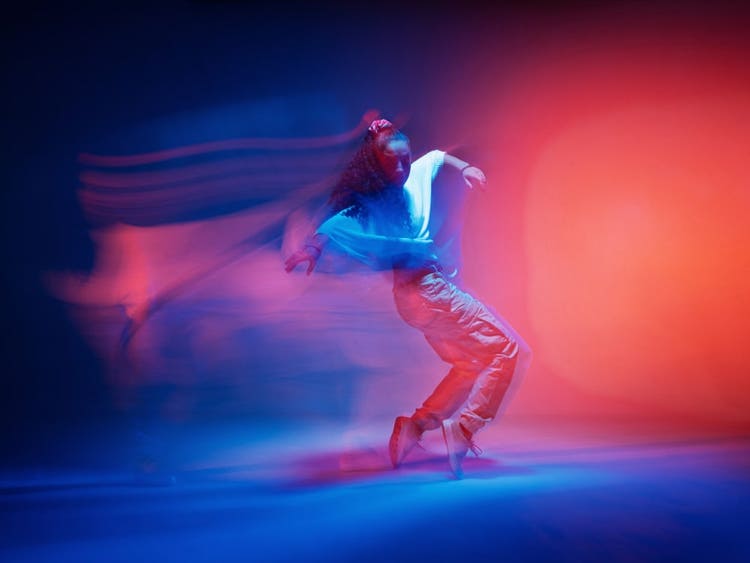
For dance photographers, timing is everything. A fraction of a second can mean the difference between an ordinary shot and one that perfectly captures a midair leap. Mastering shutter speed, lighting, and composition will help you create expressive, compelling images. While a fast shutter speed is often used to freeze motion, motion blur photography can add an artistic touch, conveying energy and rhythm in a single frame.
From indoor professional stage lighting to outdoor performances, dance photography requires awareness of how light interacts with movement. With the right approach and a bit of luck, dance photographers transform movement into timeless art.
What type of dance photography fits your artistic vision?
Dance is a diverse art form. Different types of dance photography require specific equipment, technical settings, and creative decisions to capture properly. A ballet photoshoot may need precise lighting and elegant composition, while hip-hop photography is better suited for high-energy angles and urban backdrops. Some photographers prefer the controlled environment of a studio, while others enjoy live performances or candid photos.
To find the right fit for your artistic vision, consider the atmosphere, level of movement, and technical skills needed to bring your ideas to life.
Here are several types of dance photography to explore:
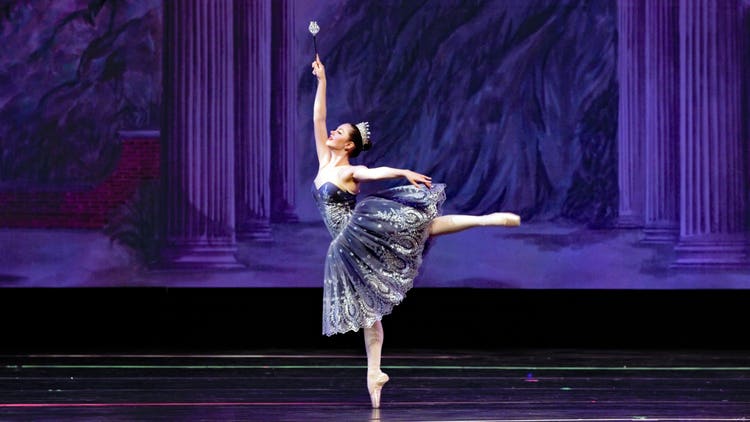
- Ballet: Emphasizes grace, lines, and storytelling through poised movements, often using soft lighting and precise composition.
- Contemporary: Showcases fluidity, emotion, and unconventional movement, blending dynamic angles with expressive storytelling.
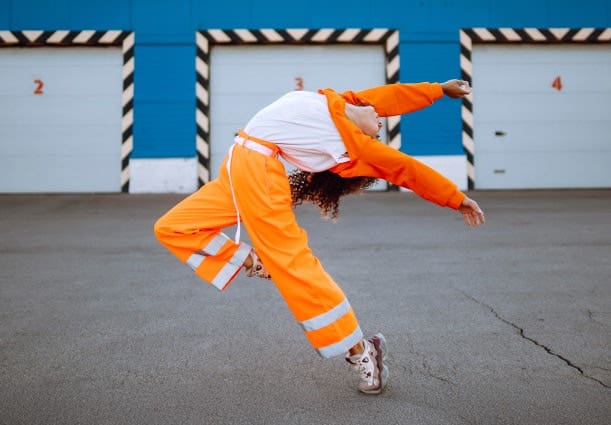
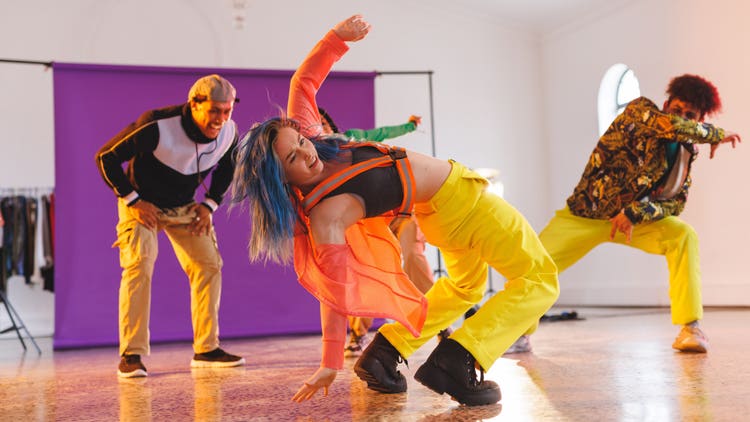
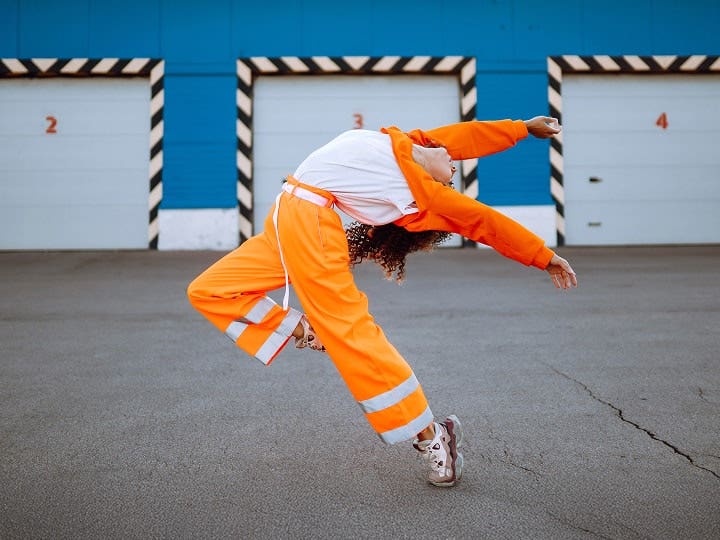
- Hip-hop/street dance: Captures raw energy and fast-paced motion, often utilizing high shutter speeds and bold compositions.
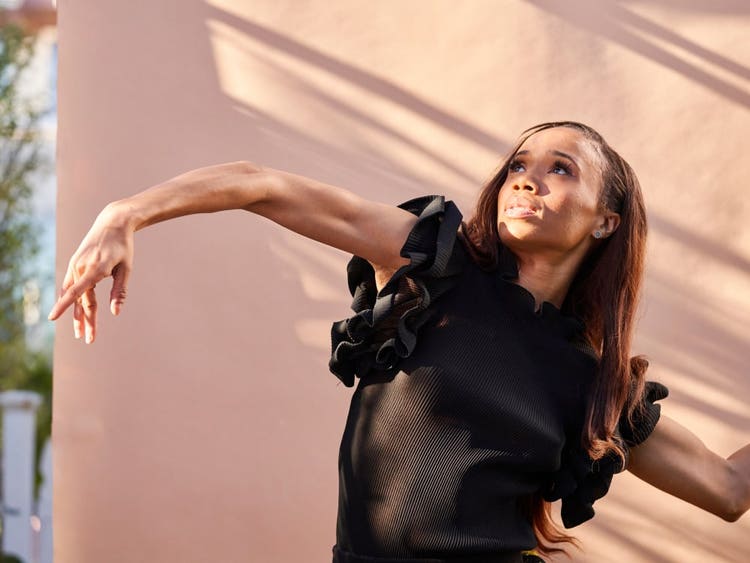
- Studio portraits: Focuses on controlled lighting and artistic posing, allowing for carefully crafted images that highlight a dancer’s form and unique personality.
- Candid photography: Captures spontaneous moments, often requiring a keen eye for movement and emotion in unpredictable settings.
- Performance or stage: Captures live performances under challenging lighting conditions, demanding technical mastery of exposure, focus, and timing.
Choosing the right type of dance photography depends on your artistic goals and technical capabilities. Studio portraits or ballet photography might be ideal if you enjoy precision and structured environments. Candid or street dance photography could be a better fit if you thrive on spontaneity and action.
Experiment with different styles to discover what resonates most with your personal style.
Studio versus outdoor dance photography.
Where you set up your dance photoshoot can determine the mood and style of the resulting shots. A controlled indoor studio and a dynamic outdoor location each offer distinct advantages and challenges. As a dance photographer, you should choose an environment that fits your creative vision.
Studio dance photography provides a structured space where lighting, background, and composition are easily controlled. This is an ideal choice for detailed portraits and stylized dance poses. Studio shoots also work for year-round shooting, unaffected by weather or bad lighting conditions. However, the studio can sometimes feel restrictive, limiting spontaneous creativity and potentially encouraging perfectionism that may overshadow the raw emotion of dance.
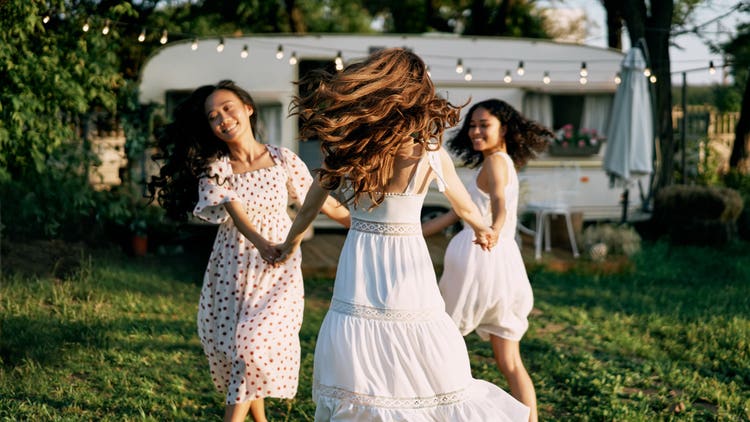
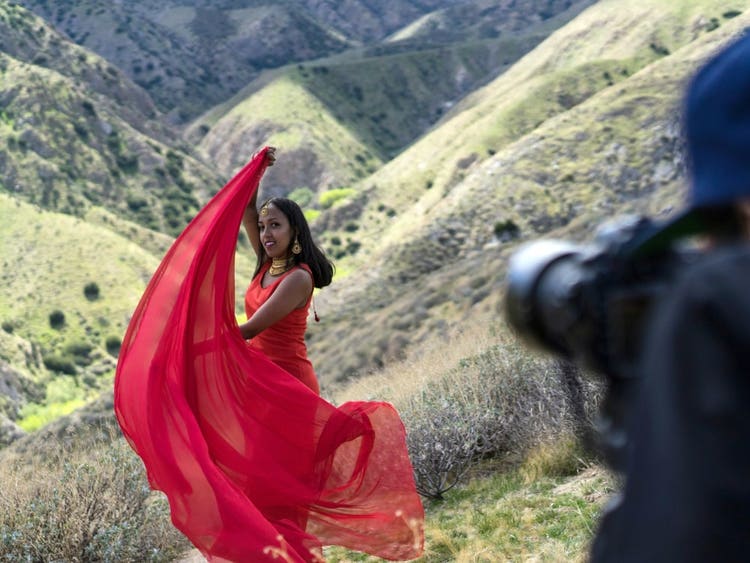
To enhance storytelling, outdoor dance photography places dancers in real-world landscapes, from graffitied alleyways to scenic beaches. The shifting colors of golden hour photography can add warmth and drama, while techniques like sun flare photography can create artistic, ethereal effects. However, outdoor shoots come with challenges like changing weather, variable lighting, and environmental distractions, making timing and technical adjustments more challenging.
Capturing rehearsed dance poses versus raw, candid dance photography.
One of the biggest creative decisions in dance photography is whether to capture planned, rehearsed poses or spontaneous candid moments. Each approach offers distinct advantages and tells a different kind of story, making it important for photographers to choose the right style based on the intent of their shoot.
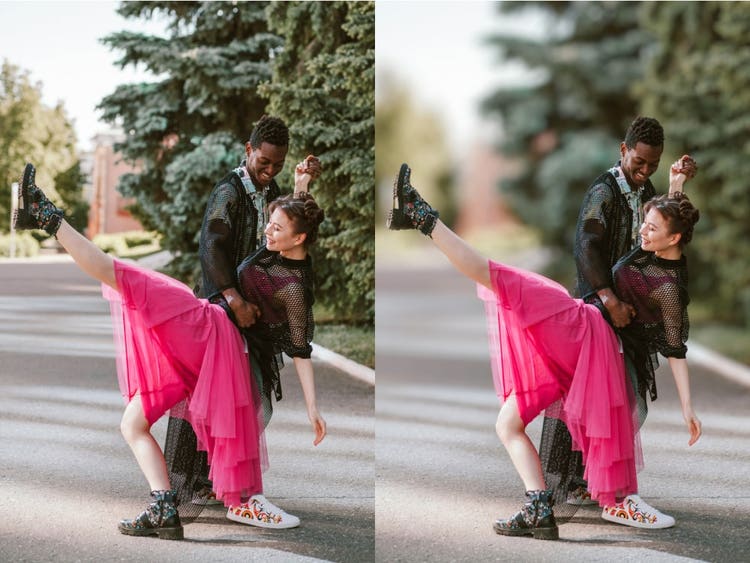
Posed dance photography gives you precise artistic control, making it ideal for conceptual shoots, promotional images, and studio portraits. These carefully crafted shots let dancers perfect their form, ensuring clean lines, balanced compositions, and a polished final image.
This is common in commercial and editorial work, where every detail is fine-tuned for visually striking results. However, posed shots can sometimes feel overly structured, and without careful direction, they may lack the organic emotion that makes dance so compelling.
Candid dance photography captures movement as it naturally unfolds. This approach works well for event photographers, documentary-style shoots, and behind-the-scenes storytelling. However, candid photography requires quick reflexes and a strong understanding of timing to anticipate and capture moments before they pass.
While some photographers specialize in one approach, combining both posed and candid photography styles can result in a richer, more dynamic portfolio. By mastering each method, photographers can develop a versatile style that captures the artistry of dance in its many forms.
Preparing for a successful dance photoshoot.
Ensure a smooth experience and stunning results with a well-planned photoshoot. From creative direction to technical setup, taking the time to prepare can make all the difference in how you capture dance movement, expression, and artistry.
Here are key factors to consider when planning a dance photography session:
- Pre-shoot: Define your photoshoot’s artistic style, theme, and mood. Create a shot list of must-have images and poses.
- Dancer collaboration: Discuss costume choices, preferred poses, and overall expectations with the dancers. Choose music to set the right energy and comfort level.
- Location scouting: Evaluate settings for lighting conditions, available movement area, and potential background distractions. Plan a backup location in case of unforeseen changes, especially for outdoor shoots.
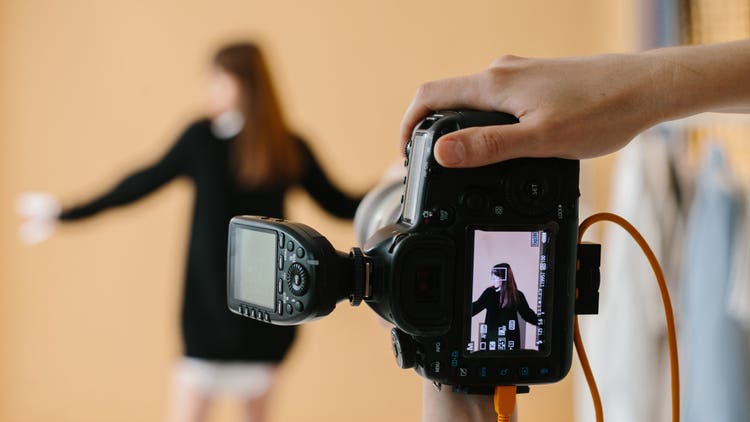
- Technical preparation: Check your gear and make sure cameras, lenses, memory cards, and batteries are ready. Adjust camera settings based on the shooting environment. Use fast shutter speeds for freezing movement or slower speeds for intentional motion blur.
- Day-of considerations: Allow time for dancers to warm up to prevent injury and improve fluidity. Keep a structured schedule to maximize shooting time while allowing for creative flexibility.
A successful dance photoshoot balances technical preparation with artistic spontaneity. By planning ahead and staying adaptable, dance photographers can create a productive and inspiring session that captures the beauty of movement.
Experiment with techniques and camera settings for dance photography sessions.
Successful dance photography requires understanding movement and the ability to adapt camera settings and shooting techniques to achieve different creative effects. Whether you want crisp, high-speed action shots or artistic motion blur, small adjustments in shutter speed, aperture, ISO, and lighting can dramatically change how movement is portrayed.
Here are some dance photography techniques to explore:
Shoot in RAW format.
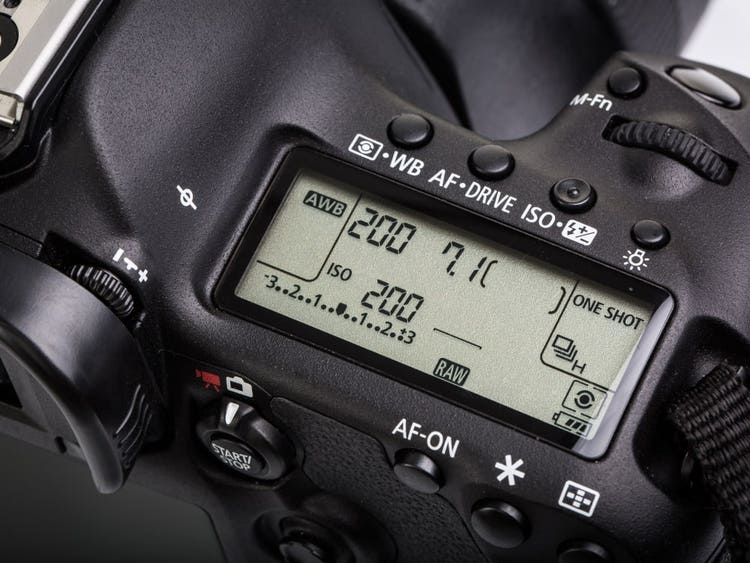
Shooting in RAW preserves the most image data, giving you more flexibility in post-processing. This is especially useful in dance photography, where lighting conditions can be unpredictable, and fine details like costumes, facial expressions, and muscle definition need to be touched up.
Vary your shutter speeds.
To create dynamic images, photographers often use techniques like high shutter speeds to freeze movement and advanced framing photography strategies to draw the eye to the dancer. A minimum of 1/500s is recommended for freezing jumps and turns, while 1/250s is a good starting point for slower motions. If you want to introduce a motion blur effect in Adobe Photoshop, consider shooting at 1/100s to allow for slight movement trails, enhancing the sense of speed and fluidity. The right shutter speed depends on the environment: faster speeds for brightly lit stages and slower speeds for creative effects in controlled settings.
Adjust ISO for different lighting conditions.
In a well-lit studio, an ISO between 100-400 combined with a wide aperture (such as f/2.8 or f/4) provides sharp, noise-free images. If shooting in a dimly lit theater with no additional lighting, increasing the ISO to 800-1600 may be necessary to expose the image without excessive motion blur. Keep the ISO low (ISO 100) outdoors in bright sunlight and adjust the aperture accordingly.
Control depth of field with aperture.
A wide aperture (f/4 or wider) helps isolate the dancer from the background, creating a shallow depth of field that draws attention to the subject while softening distractions. However, a narrower aperture (f/8 or f/11) ensures better clarity across the frame for group shots or stage performances where multiple dancers need to be in focus.
Try continuous shooting.
Dance moves happen instantly; even a perfectly timed shot can miss the most dynamic moment. Continuous shooting or burst mode increases the chances of capturing a winning shot.
Lighting techniques.
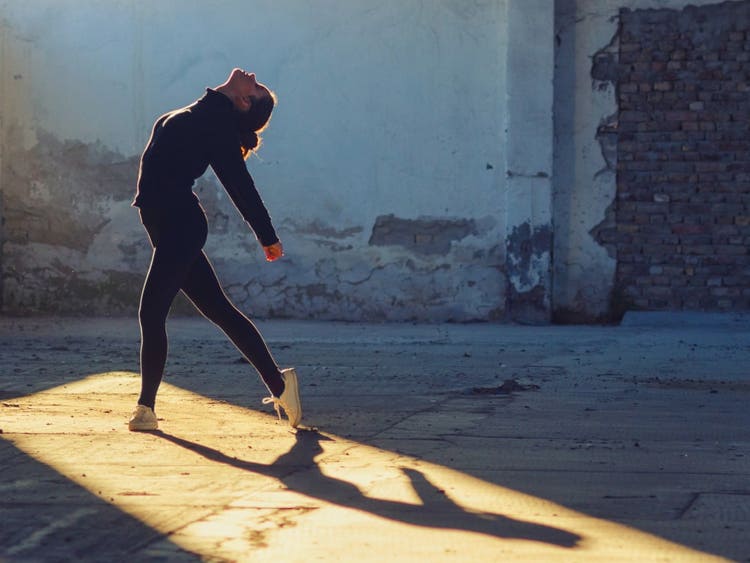
Lighting can add drama and emotion to dance photography. Experimenting with light and shadow photography in a studio can increase muscle definition and form, creating a sculpted, three-dimensional look. Backlighting can create silhouettes, while directional lighting can emphasize movement. For outdoor shoots, take advantage of golden hour photography for warm, soft highlights or experiment with framing photography by incorporating natural light sources like windows, streetlights, or reflective surfaces.
Experiment with these settings and techniques to create endless creative possibilities for your dance photography.
How to take dance photos and let your photoshoot flow.
A great dance photoshoot relies on creating an atmosphere where dancers feel comfortable being expressive. Encouraging creativity and allowing time for spontaneity will help you create dynamic and emotional images.
- Capture emotion and expression.
A dancer’s face tells just as much of a story as their movement. - Capture still shots, not just motion.
Portrait-style images can highlight strength, grace, and personality. - Shoot from multiple angles.
Experiment with low, high, and side perspectives to add variety. - Capture the in-between moments.
Unscripted transitions can create the most magical, authentic shots. - Keep the overall energy positive.
A relaxed and encouraging environment helps dancers perform their best. - Use clear language.
Precise, constructive direction ensures good communication without breaking the creative flow.
Bring your dance photography to life with Adobe Photoshop.
Advance your skills and take your dance photography to the next level with photo retouching and enhancements in Adobe Photoshop.
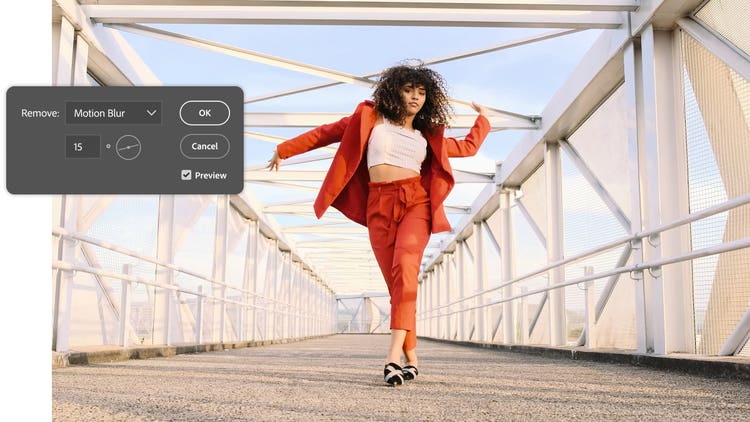
Once you’ve captured stunning dance images, the final step is post-processing. Professional tools and AI-powered features in Adobe Photoshop make it easy to fine-tune details, correct lighting inconsistencies, and showcase the energy of each shot. Try using motion blur correction to sharpen key areas while maintaining a sense of movement.
Virtually unlimited nondestructive layers, masks, and filters let you explore creative ideas and make edits with advanced precision. Create, modify, refine, and remix images into stunning custom content, then batch edit in Photoshop to speed up your creative workflow and achieve a consistent look across multiple photos.