
Content as a Service v2 - discover video collection - Thursday, September 12, 2024 at 16:05


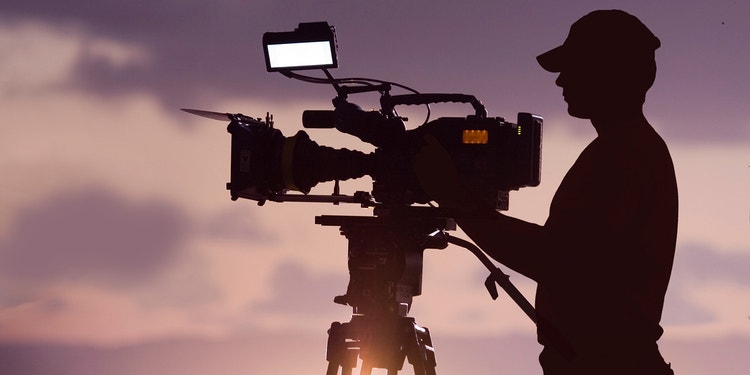
Cinematography is what captivates audiences and keeps them coming back to the theaters. Lighting, color, and movement choices transport viewers from their seats to another world. Whether you’re a film newcomer or simply want to learn more about how movies are made, this guide can help you perfect your cinematographic techniques.
Cinematography is the craft of capturing visual imagery for film, television, and digital media. It involves the creative and technical decisions that shape the look and feel of a project, including camera angles, lighting, composition, lens choices, and movement. Throughout each stage of production, cinematography plays a vital role in bringing the director’s vision to life.
The visionary who brings this work to life is called a cinematographer or director of photography (DP). They collaborate closely with the director to design a visual style that supports the story and sets the tone for the film. From planning shots during pre-production to adjusting lighting on set and refining the final look in post, the cinematographer touches nearly every aspect of visual storytelling.
If you’re asking, “What is digital cinematography?” it refers to using digital tools — rather than traditional film — to shoot and edit content. Software like Adobe Premiere has transformed the way cinematographers work, allowing them to view, tweak, and enhance footage in real time, streamlining the creative process without sacrificing quality.
Whether you’re analyzing a blockbuster or creating your own project, comprehending cinematography techniques in film helps unveil how visuals can shape a story. Every element, from concept to final cut, contributes to the larger process of filmmaking.
Cinematography isn’t just about creating stunning visuals (although that’s part of the fun) — it’s about shaping how a story resonates with your audience. Through intentional choices in lighting, framing, movement, and composition, cinematography plays a crucial role in how viewers emotionally connect with characters and moments within scenes.
While some of its traits overlap with videography, the focus and intent are different — videography typically captures events as they happen, while cinematography is more about creating a visual narrative with purpose and style. Knowing the difference between cinematography and videography helps highlight just how essential cinematography is to storytelling.
The following are some examples of how cinematography shapes the emotional and visual impact of a film or scene:
In the hands of a professional cinematographer, each frame becomes a part of the story’s emotional fabric — which supports not only what the audience sees but also what they experience.
A cinematographer, also known as the director of photography (DP), is tasked with shaping the visual identity of a film, television show, or other digital project. At a high level, their job is to translate the director’s vision into engaging imagery by making key decisions about lighting, framing, camera angles, lens choice, and movement. These visual choices help create the mood, tone, and flow of the story.
Cinematographers work closely with the director, producers, production designers, and camera crew to ensure every shot aligns with the overall creative vision. As they build on their expertise, many cinematographers develop a signature look or preferred set of cinematography techniques — whether that’s a particular lighting choice, the use of handheld shots, various color grading choices, and more. Their style becomes a piece of their artistic fingerprint across various projects.
Visual storytelling is built from beginning to end, meaning cinematographers must be involved across every stage of film creation, from planning to post-production. We’ll detail their role in each phase more in the next section.
Cinematographers contribute to every stage of the film production process. The job begins during the planning stages and extends all the way through the post-production process, ensuring the visual style of the film remains consistent and supports the director’s creative vision throughout.
In pre-production, the cinematographer works closely with the director and creative leaders to plan the visual direction of the film. This includes choosing equipment, establishing the overall aesthetic, and mapping out how the story will be captured.
During this stage, their key responsibilities include the following:

During principal photography the cinematographer is more hands on with execution, guiding the crew, fine-tuning lighting and camera setups, and verifying that each shot delivers on the planned visual tone.
At this point, their core responsibilities include the following:
While a cinematographer may not always be present in the editing room, their influence carries throughout the entire post-production process. Their creative vision guides how the color, mood, and lighting are adjusted in the final cut.
In this final stage, their responsibilities include the following:
From the film’s conception to its final frame, the cinematographer plays a crucial role in shaping the visual style of a project.
Cinematography goes beyond a simple point and shoot — it’s the careful curation of visual components to share a story. Great cinematographers use a wide range of cinematography elements to craft a cohesive visual style that enhances the mood, emotional tone, and meaning of each scene. Every element plays a unique role in shaping how the audience engages with and interprets the story.
Camera shots and angles are essential tools that cinematographers use to shape how a story is perceived and experienced. They influence the viewer’s perspective, emotional response, and understanding of plot developments or character dynamics.
Different shots and angles can dramatically shift how a scene is interpreted. A wide shot may establish an environment or portray isolation, while a close-up draws the viewer into a character’s emotional state. An over-the-shoulder shot is often used in dialogue scenes to show connection or tension between characters. A Dutch angle shot, where the camera is tilted, can signal subtly that something is unsettling or off-kilter.
These choices usually work in tandem with other cinematography techniques, such as composition and movement, to enhance the impact of every moment. For example, a scene may begin with a master shot to establish space, then cut to tighter angles as the emotional weight builds. Cinematographers carefully select from a range of types of camera angles and shots to shape the viewer’s experience and guide their emotional responses throughout a scene.
Camera movement is how the camera physically shifts during a shot, whether it’s panning side to side, tilting up or down, or moving fluidly through a space. These movements do more than just follow an action — they influence the pacing, atmosphere, and how emotionally connected the audience feels to the moment.
Even subtle movement can influence how the audience feels. For example, a slow, steady tracking shot can build suspense or draw the viewer deeper into a character’s world, while an unsteady handheld shot may create a sense of chaos during an intense moment.
Common types of camera movement include:
When used at the right time, camera movement can alter the tone of a scene.
Lighting techniques are the methods by which cinematographers control light to support the story emotionally and visually. Light impacts how a scene feels, whether it’s harsh and dramatic or soft and romantic. Cinematographers can use light to create more emotional depth, draw attention to certain details, and set the mood for each scene.
Some of the most common lighting techniques include the following:
Lighting is more than just a technical necessity — it’s a powerful storytelling tool that can show a character’s emotional state or the overall aesthetic and mood of a film.
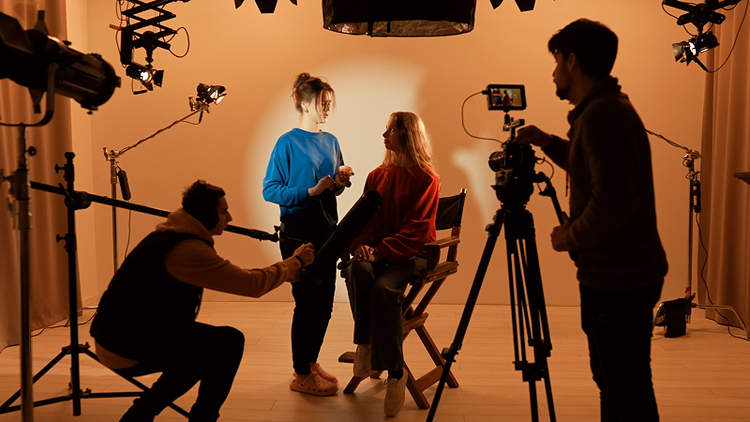
Composition and framing are the way visual elements are organized within the frame to guide the viewer’s attention and assist with storytelling. Cinematographers use certain compositional techniques to strike a visual balance, establish relationships between characters and their environment, and direct the viewer’s emotional response.
The following are some foundational techniques used in cinematic composition:
Effective composition does more than create a pretty picture — it subtly directs the viewer’s eye, supports emotional moments, and helps scenes flow successfully.
Lens choice plays a major role in how a scene is captured and perceived. Through aperture and focal length, cinematographers can keep certain elements in focus and others blurred from view. This is known as depth of field, a visual tool that emphasizes subjects, isolates key moments, or creates intimacy within a scene.
The following are some key factors that influence the depth of field and overall style of a frame:
Whether going for a dramatic moment or a natural look and feel, lenses and depth of field impact where the audience’s focus lies.
When you combine composition, lighting, movement, and lens choice with creative vision, a great story can begin to unfold. Cinematographers set the pace, build emotional connection, and heighten tension with some of these techniques.
The following are some techniques to consider when you’re planning your next project:
Whether you're establishing a tone, moving through time and space, or directing the audience’s eyes, the right mixture of cinematography techniques can dramatically shift the emotional and visual impact of your project.
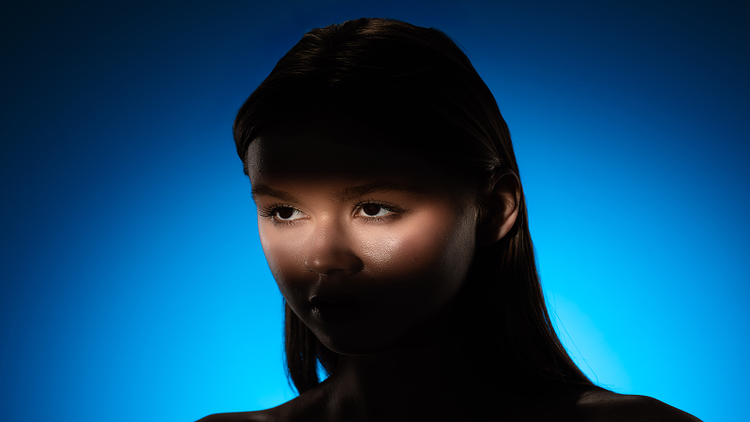
Whether you’re creating a short film or a full-length feature, practicing using various cinematography techniques can help you develop your unique visual style. As you explore different techniques, tools like Adobe Premiere can help you refine your footage in post — from fine-tuning pacing, to adjusting color and lighting.
Premiere is the video editing software you need to experiment and bring your vision to life.

US$22.99/moAnnual, billed monthly
Includes 100GB of cloud storage, Adobe Fonts, and Adobe Portfolio.
Join over 7 million Creative Cloud Pro subscribers worldwide. Save 50% for the first 3 months on the full version of Adobe Premiere and 20+ apps plus Adobe Firefly creative AI. Pay US$34.99/mo for the first 3 months and US$69.99/mo after that. New subscribers only. See terms | See what's included
Save 71% on 20+ Creative Cloud apps — including Adobe Premiere.
US$99.99/moper licenseAnnual, billed monthly
Get Adobe Premiere and 20+ Creative Cloud apps plus exclusive business features. See what's included | Learn more.


Visualize shots and effects ahead of the shoot, generate assets missed in production to complement your edit, and eliminate tedious tasks to stay focused on your creative ideas.


