Edit the film.
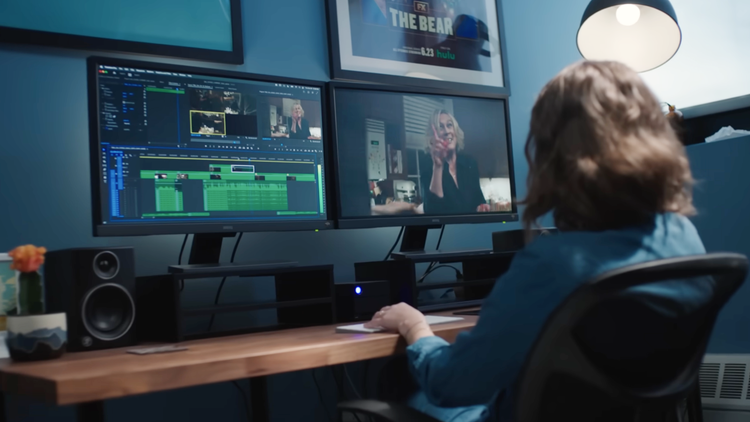
“There are three films in every film. The first is the one that you thought of and wrote. The second is the one that you shot. And the third is the one that you create in the edit,” says Stoler. Just as surprises change the film in production, they can change it in the editing room, and you have to be willing to go with the changes.
With Premiere you can collaborate with teams of any size. Often small but mighty teams are critical in independent film production. To streamline the work of distributed teams and ensure consistency across your project when multiple editors are involved, Productions offers sequence locking and version control. Sequence locking helps multiple editors work on different parts of a project without overwriting each other's work. When you lock a sequence, it prevents others from making changes to it. Version control allows you to keep track of different versions of your edits and revert to previous ones if needed, making it useful for significant changes or trying out different creative ideas.
Visually organize and brainstorm your clips before starting your edit.
Freeform View allows you to arrange your clips visually in any order you want. It’s like a digital storyboard where you can see how different shots will work together, making it great for brainstorming and organizing your ideas before you start editing.
Fine-tune edits and assemble rough cuts quickly.
“Pancake editing” involves stacking multiple timelines on top of each other so you can drag and drop clips between sequences easily. Organize your edits by scene and review or draw from each of them more visually with multiple timelines open.
Use music and sound effects to visualize your story along the way.
Adobe Stock provides a library of temporary music tracks and sound effects, including thousands of free offerings. You can use these in your edits to get a sense of how the final piece will feel before the final music is composed or licensed, helping to create a polished rough cut for reviews.
Balance color and sound as you build your timeline.
To avoid distractions that take away from your edit, a first pass on color consistency and audio leveling is important. Use tools like Auto Color to help you make basic corrections and Color Match to ensure consistency between cameras. Even if you’re not a colorist, you can quickly improve the look of your footage for initial reviews. In the Essential Sound panel, you can use Enhance Speech to clean up dialogue or Loudness Matching to make sure each line is clear and understandable.
Leverage effects to increase production value.
A few well-used visual effects and titles can enhance the storytelling or visual appeal of your project. You can find even more plugins for special effects, transitions, color grading, and more in our vast plugin ecosystem, helping you add professional touches to your edits without needing advanced skills.
In a fast-paced editing environment with lots of assets, tracking important information directly on your video can be critical for collaboration and organization. Metadata Burn-In involves embedding information like timecode, scene numbers, or other important data visually onto your video.
Streamline the feedback process.
Make it easier for producers, directors, or other team members to review and comment on your work throughout the process. Frame.io allows you to share your edits and feedback, consolidating the process in one place. They can leave comments directly on the video, making it easy to understand and implement changes.
Enhance your project with advanced graphics, sound, and visual effects.
When you’re working through a rough cut, sending edits for feedback that feel finished will help audiences stay connected with your story. With Creative Cloud, you can seamlessly move between Premiere and other Adobe applications like After Effects, Photoshop, and Audition.