



It’s Cyber Monday.

See offers

It’s Cyber Monday. Ends Dec 7.

See offers

It’s Cyber Monday. Save 50% or more on Creative Cloud Pro for individuals, students, and teams. Ends Dec 7.

See offers

.

Adobe Illustrator

The power of typography in design.

Master the art of typography and elevate your designs with powerful tools and techniques in Adobe Illustrator. Explore creative styles and unlock the full potential of your text by applying expert tips that make your projects stand out.

Start free trial

How typography impacts design.

Typography is vital in shaping brand identity and improving readability. With the versatile text tools in Adobe Illustrator, it’s easy to create scalable, professional-quality designs that enhance any project, print or digital.

While aesthetics are important, designers should prioritize readability, hierarchy, and scalability over style when choosing digital typefaces. The right typeface should enhance your final project's visual appeal and functionality, not detract from it.

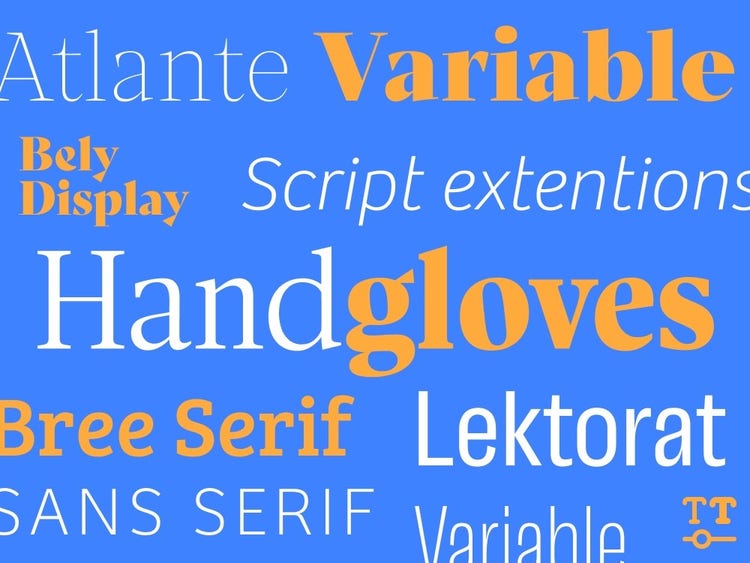
Random text in a variety of fonts and sizes

Typography in branding.

Typography helps convey a brand's personality and visual identity by communicating specific values and characteristics. A brick-and-mortar bank might use a traditional serif, while a technology company opts for the more modern sans-serif. Selecting the right typeface helps create a consistent image, reinforces brand messaging, and makes it easier for customers to recognize.

Typography for user experience.

The right typography improves customer experience by making content easy to read and navigate. Clear fonts help users quickly find and understand information, while well-organized text makes reading more enjoyable. Good typography also helps guide users through content, making websites, apps, or printed material stickier and more engaging.

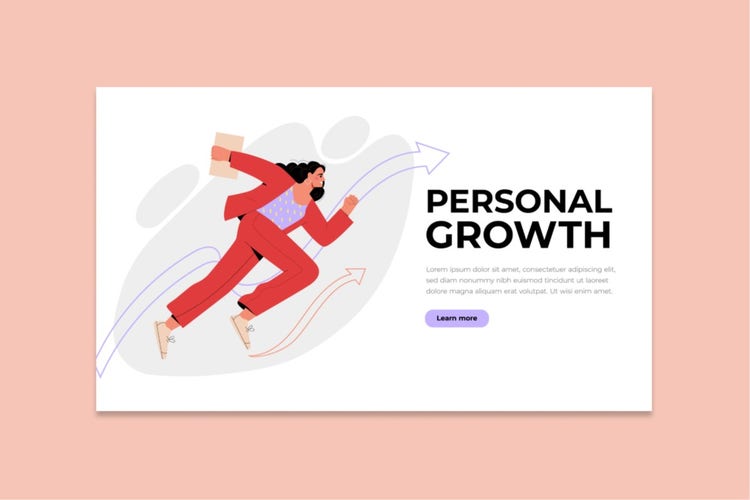
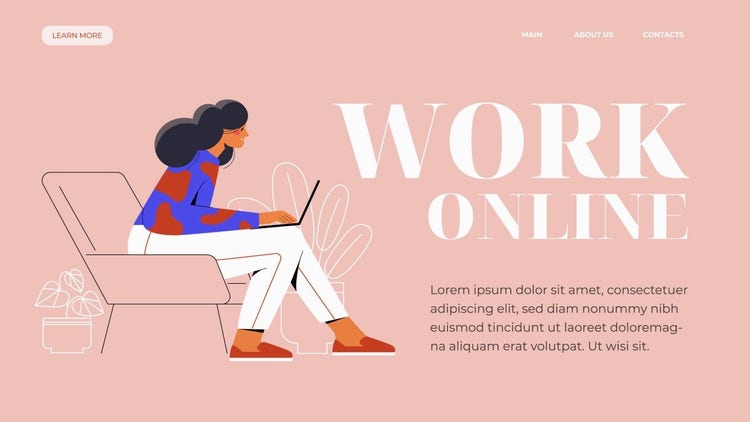
Samples of app screenshots showing a variety of text
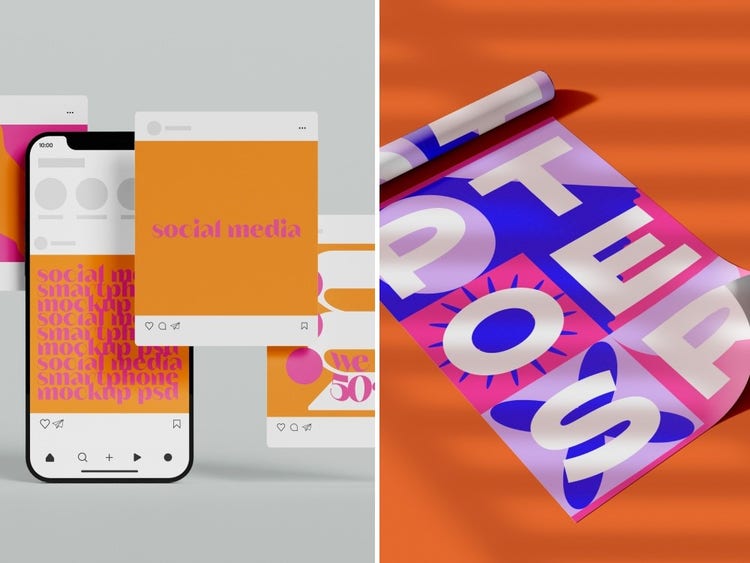
Mocked up text on a phone and on a banner

Typography for print and digital media.

Typography for digital media focuses on readability across various screen sizes and devices, using web-safe fonts and auto-adjusting for dynamic layouts, while print typography considers the finished work's physical size and material. Printed text doesn’t need to adapt to changing layouts or devices, so designers have more creative control.

By contrast, print typography considers the finished work's physical size and material, using fonts for clarity and style in fixed formats. Printed text doesn’t need to adapt to changing layouts or devices, so designers have more control over how typography is displayed.

Adobe Illustrator provides extensive tools for creating and customizing typography, allowing designers to experiment with various fonts and fine-tune type characteristics such as kerning, tracking, and leading.

While aesthetics are important, designers should prioritize readability, hierarchy, and scalability over style when choosing digital typefaces. The right typeface should enhance your final project's visual appeal and functionality, not detract from it.

The different styles of typography.

Each typography style serves a unique design purpose. Here's an overview of the most common typography styles and how to use them in Adobe Illustrator to enhance your designs.

Serif

Serif fonts are known for their traditional, professional look. Businesses that want to convey a sense of tradition and trustworthiness will often use serif fonts, like financial institutions, legal offices, and classic luxury brands.

  • Creative Layouts: Use Illustrator's Type on a Path tool to create dynamic and flowing serif text layouts that follow custom shapes or curves.
  • Character Customization: Customize individual serif characters with the Direct Selection tool to fine-tune details and achieve a polished look.

Sans serif

Sans serif fonts are clean and modern, making them a good choice for minimalist and digital designs. Organizations wanting to come off as friendly, trendy, or contemporary, like lifestyle brands, creative agencies, and technology companies, would use a sans serif font.

  • Modern Layouts: Alignment and distribution tools in Illustrator allow for precise, structured sans serif layouts that enhance visual clarity.
  • Flexible Designs: Explore variable fonts in Illustrator for sans serif typography, giving you control over weight, width, and slant for more flexible designs.

Script

Script fonts look fluid and mimic handwriting. They add a personal and artistic touch to designs. Beauty and luxury brands, the wedding industry, and upscale restaurants frequently use script fonts.

  • Custom Strokes: Use the Brush tool to create custom script-like strokes, giving your typography a more organic, hand-drawn appearance.
  • Manipulating Script Fonts: Convert text to outlines for greater control over script fonts, allowing for detailed adjustments to each letter's shape.

Display

Display fonts are bold and high-impact, perfect for headlines or whenever you want to make a big statement. These fonts are best for short text where the goal is visual impact rather than readability. You’ll frequently find display typography on movie posters, packaging and logos, and event advertising.

  • Dimensional Effects: Use 3D effects in Illustrator to add depth and dimension to your display typography, making it pop off the page.
  • Unique Treatments: Experiment with envelope distortions to reshape and warp display fonts for one-of-a-kind visual treatments that stand out.

Adobe Illustrator provides these tools and more to help you master each typographic style and take your creative vision to the next level.

The elements of typography.

Typography refers to the elements that work together to create clear, efficient, visually appealing text designs. A type system is a structured approach to typography tailored to a specific project that helps designers present content effectively. Below are the essential elements of typography and how to apply them in Adobe Illustrator.

Typeface and font

  • The Type tool: Easily select and manipulate fonts for your designs.
  • The ReType tool: Easily identify and edit fonts from static text in raster images and outlined text.
  • Access Adobe Fonts: Browse and apply fonts directly within Illustrator for seamless integration.
  • Create custom fonts: Use the Font Creator tool to design and customize your own fonts.

Hierarchy

Text formatting in Illustrator: Utilize the Character and Paragraph panels to format text and establish hierarchy.

Styles for consistency: Create and apply paragraph and character styles to maintain a consistent hierarchy across your design.

Contrast

  • Color guide panel: Use the Color Guide panel to create harmonious color schemes that enhance contrast.
  • Visual interest: Apply gradients, patterns, or textures to your text for added visual interest.

Alignment

  • Precise text positioning: Use the Align panel to position text precisely.
  • Custom grids and guides: Create custom grids to maintain consistent alignment throughout your design.

Line length

  • Adjust text box sizes: Modify text box sizes and column widths to optimize line length for readability.
  • Flowing text: Use the Area Type tool to flow text across multiple linked frames for balanced layouts.

Leading

  • Adjust leading: Control line spacing with the Character panel to ensure comfortable reading.
  • Auto leading: Use the Auto Leading feature to adjust line spacing based on font size automatically

Kerning

  • Manual kerning: Adjust the spacing between individual characters using the Type tool and Alt/Option key for precise control.
  • Optical kerning: Utilize optical kerning in Illustrator to automatically improve letter spacing.

Tracking

  • Adjusting tracking: Control the overall spacing between characters with the Character panel.
  • Custom tracking presets: Create and save custom tracking presets for consistency and efficiency.

Color

  • Eyedropper tool: Sample and apply colors from your design directly to text.
  • Custom swatches: Create and save custom color swatches to maintain consistency in your typography color palette.

White space

  • Effective composition: Use artboards and layers in Illustrator to manage white space and ensure a clean layout.
  • Clipping masks: Use clipping masks to create interesting negative space and enhance the composition around your text.
With the flexible tools in Adobe Illustrator, anyone can create functional and visually striking typography.

Common mistakes to avoid in typography.

Here are some common mistakes designers make when adding text elements and how to fix them with Adobe Illustrator:

  • Using too many typefaces: Avoid this by using Font Preview to compare and select appropriate typefaces. Create type style guides within your document to ensure consistency.
  • Using kerning, leading, and tracking incorrectly: Use a baseline grid to maintain a consistent vertical rhythm and Smart Guides for precise spacing adjustments.
  • Ignoring content: Ensure text integrates well with the design by using Text Wrap. Utilize Spell Check and Find/Replace to maintain content accuracy.
  • Choosing inappropriate typefaces or font pairings: Explore the vast selection of Adobe Fonts categories within Illustrator and use the font similarity feature to find compatible ones.
  • Sacrificing readability and ignoring hierarchy: Use Illustrator’s Outline View to check typographic balance and the Zoom tool to ensure readability at various sizes.

See more features of Illustrator

Eliminate orphans and widows in typography.

Master the art of flawless text flow in Adobe Illustrator. Learn to find and correct orphans and widows.

Craft beautiful, customized lettering.

Bring stylish lettering to any medium, from tattoo design to branding. Explore the ways Illustrator helps.

Develop your new favorite font design.

Finding the right words can be hard, and so can finding the right type design. But Illustrator can help.

Play with patterns.

Design, refine, and mockup patterns for fashion and interior design quickly with the help of generative AI.

Questions? We have answers.

Find the Creative Cloud plan that’s right for you.

Adobe Illustrator Single App
US$22.99/mo

Annual, billed monthly

Get Illustrator on desktop and iPad as part of Creative Cloud.

Creative Cloud Pro

US$69.99/mo

Annual, billed monthly

20+ apps, including Illustrator, plus Adobe Firefly creative AI.

See what's included | Learn more

Students and teachers

Regularly at US$69.99/mo Alternatively at US$24.99/mo

Annual, billed monthly

Save over 64% on 20+ apps and Firefly creative AI for the first year.

See terms | Learn more

Business
US$99.99/mo per license

Annual, billed monthly

Get 20+ apps plus Firefly creative AI and exclusive business features.

See what's included | Learn more