[music] [Christal Deloney] Hi. Good morning, everyone. Thank you so much for getting up so early and joining me here very early. I'm not surprised it's not full because it's early. I'm going to say that one more time, but thank you. Thanks for joining me. My name is Christal Deloney. I'm a Senior Solutions Architect at AWS. I've been working in the media and entertainment industry for some years. I'm not going to say the number. I've worked as a media systems engineer at Studios like Marvel, Disney, NFL, NBC, Universal, and I've done some small shops like Crown Media Entertainment. So I've been very close with artists and engineers alike. So this is a topic I'm very, very passionate about. Now over the past few decades, we've witnessed a profound shift in the way that film and television are produced, distributed and experienced by audiences. Budgets have progressively gotten smaller while the audience still expects a premier experience.
The modernization of production workflows has revolutionized the creative tool set available to directors, cinematographers, and post-production teams, while proliferation of streaming platforms and mobile devices has disrupted traditional distribution models. But the convergence of technology in this industry goes far beyond just the modernization of processes. Innovation is crucial for the continuity of business in markets around the world. Post strike and with the economic conditions of current markets, it's more crucial than ever to revolutionize the way that engineers, artists, and companies work. Now, on our panel today, we're going to talk about all this, but I'd like to have my panelists join me, so I'd like to introduce them.
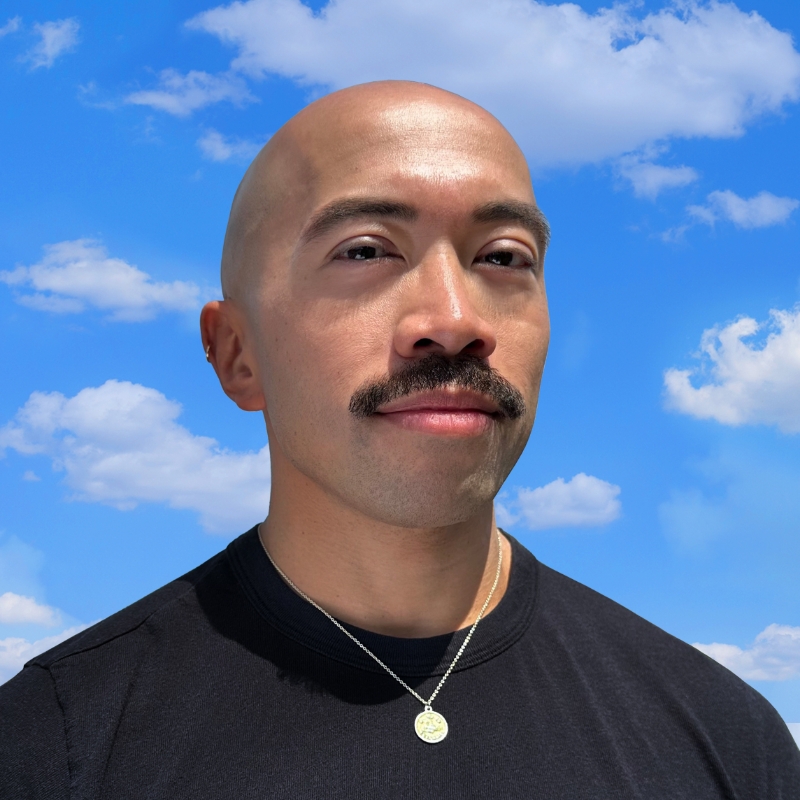
We have Rich Tu, he's the Executive Creative Director of Sunday Afternoon.
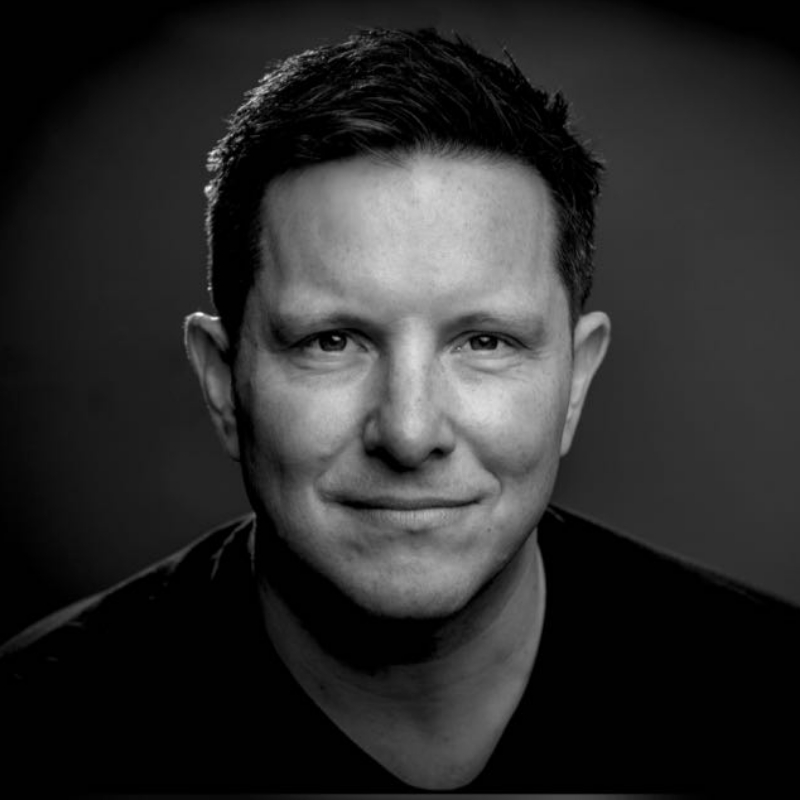
Hi Rich. Thank you. We have Simon Green, CEO and founder of Edit Cloud.
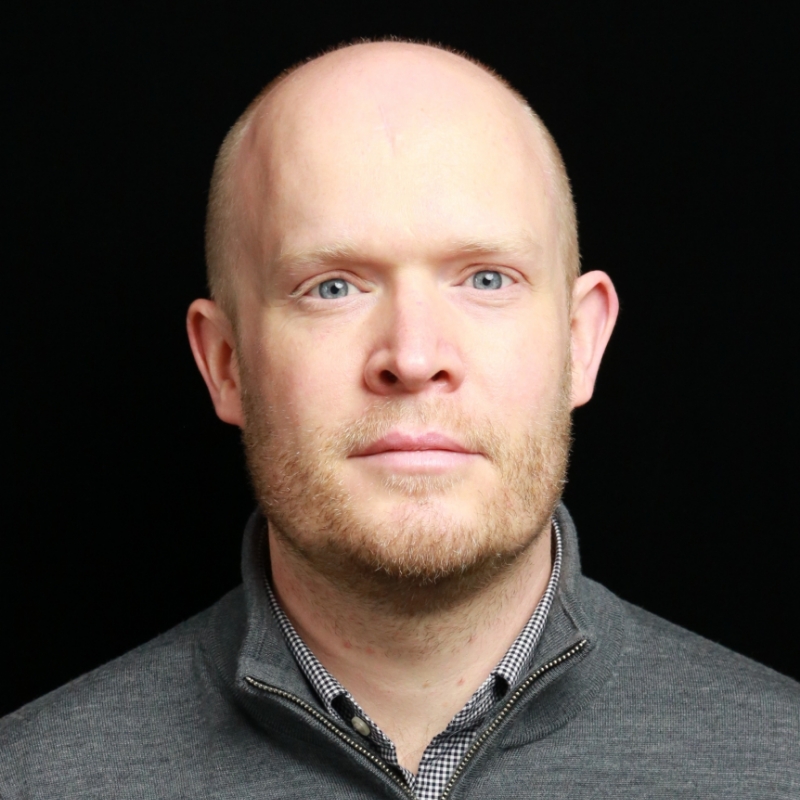
And then we have my colleague, Chris Swan, he's a Principal Solutions Architect at AWS EMEA.
All right.
So before we jump into this conversation, I'm going to play a video that Edit Cloud put together for us, and it's going to kind of talk about, summarize this from the customer's point of view, what we're talking about today, so here we go.
[Helen Killeen] Our industry is going through a revolution at the moment, and obviously change is really scary, but we are really starting to see green shoots, things coming back, advertiser spending and commissions coming back. And therefore, for us in ITV Studios, we want to embrace this change and we want to be ahead of the curve. [Simon Green] The industry is under huge pressure to change faster than it's ever done before. Edit Cloud offers that solution in order to provide that transformation. Productive budgets are under more pressure than ever and shows like Come Dine With Me have been successful at getting that show recommissioned at a price point because they've been working with Edit Cloud and Adobe, and embedding AI tools in the whole post process, which is much easier to do in the cloud than it is to do on-prem. - 7. - And 8. [Robert Le Merle] Come Dine With Me is a really successful program in the UK for ITV Studios and the commission of Channel 4. So it was a big consideration for the team to think about fundamental change in the way that we post-produce the show. [Jane Smith] Getting Series 22 commissioned has been really, really hard, and it became very clear that the only way that we were going to get that to happen was going to be to look at ways that we could do things more cost effectively. The key thing is to maximize the creative time spent in the post-production process. One of the key bits of that was Adobe Premiere text-based editing. When they saw that working, they could see straight away how that would speed up certain parts of the process. [Niels Stevens] It's potentially a game changer. One of the most labor intensive parts of creating unscripted content is logging and transcribing, and creating a narrative from massive amounts of footage. [Chris Swan] It's about removing as many of those manual heavy lift processes as possible, less watching progress bars and giving creatives more time to do what they do best, and that's to do their creative work. [Nigel Austin] With what Edit Cloud are doing with Come Dine With Me, it does show you that you can use all the AI tools and all the new technology to try and get your show on time and on budget. It was really important to make sure that we took everyone on the journey with us and that everyone was confident moving into a new way of working. What was brilliant about working with Edit Cloud was they provided all of the training for all of our editors that have perhaps been editing on a certain platform for many, many years. So it didn't feel like they were being sort of dragged away from their Avid workflows into a new world. It felt like it was another skill they were getting to add to their CVs. We switched to Adobe from Avid and I have to say that overwhelmingly, all the editors have embraced it and been brilliant. [Paul Jarvis] I just thought, am I going to be able to learn something completely new? I have to say, once I got over that initial fear, I thought the concept of the cloud was amazing. You know, anybody can input anything at any time or view anything at any time. So it's going to speed things up hugely. It's absolutely blown me away. For me, ITV Studios is all about innovation. And in the next three to five years, I see at least 50% of our unscripted output being edited in a very different way, with AI fully at the heart of all of our post-production workflows. For those that really embrace that, and harness that into their businesses, into their workflows, I think for them, they're going to really flourish. It just enables you to go from this is the way we've always done it to maybe we could do it like this. And we're starting to see that right across our global group. So for me it's really exciting time to shape things up and do things differently.
Awesome. Great video. I'm going to start the first question and I'll direct it towards you, Simon, because that video obviously was about Edit Cloud and everything. But why is it important for post-production studios and post-production facilities to adapt to the growing use of modern production technologies and tools? Yeah, I think-- Morning everyone. I think, as you can see from the journey with ITV, it wasn't just a nice to have. I think maybe a couple of years ago, there was exploratory ways of working with different technologies. But I think now that is-- You have to do it. Someone said to me recently, it's not a case of the strongest will survive, it's the ones that can change the quickest. And I think that there's a real truth to that right now. I think what we're seeing in the industry is change, transformation, however you want to label it, but it's imperative because the pressures that every creative business is under, we work with brands, broadcasters, agencies, and whilst they have different language for different things, ultimately they're under the same pressure, which is the demand for eyeballs on their content. So the content output has to be at the highest in quality. But the way, the how we're creating content has to be done in the most efficient way, I think for us, the Edit Cloud is really focused on is time. My background is 20 old years in production, so I'm not really a technologist in the truest sense. So I suppose for me, I've always been an owner operator within production businesses, and I think whenever people are trying to do ten times the amount of content with the same money, I always go back to that post-production cycle and in the engine room and think, okay, what can be throttled here? And I think now having that understanding is more important than ever. And it is a combination of understanding tech, but also good workflow process. And the most important thing is that you bring all your creative teams with you on that journey. But I think that what we did with Come Dine With Me was that combination of everything. It wasn't just a case of saying, hey, move to the cloud, and magically this will be better. Sadly, it's not true. It's a combination because once you are in cloud, what we've found is you can open yourselves up to different ways of working. And the way that story came about with ITV was they were under pressures to find new ways of working in order to get that commissioned. We spoke to them about three different ways of working on-prem, hybrid, and cloud, and then on cloud with Adobe, and that gave them the most options because it wasn't just that Adobe is a great tool and it has some, certainly for unscripted text based editing is a game changer for them, but actually it's in that ecosystem of cloud enables you to plug in a lot of other assistive AI tools. And ultimately, that's what we could squeeze was things like the logging and transcription side of the process. We saved up to 60% in time there, which was massive and you just couldn't really say no to that. So altogether, I think broadly, we saved about 25% of their production schedule. And when you've got those sorts of efficiencies, it's hard to say no to that. The only big seismic shift was moving them from, as Helen said in the video, is moving them from a traditional Avid workflow into Adobe in the cloud. But that's what Edit Cloud does. We design the workflow, but what we also do is work with the organizations to train and support the teams to do that, and we had great results. And yeah, we're in production now, so it's all going well. That's awesome. If you guys have anything to add, please. I was going to say, Helen sums it up really nicely at the end of the video. The way we've always done it is dead, and we see a lot of bias and inertia, and reluctance and risk aversion towards doing things in a new way, particularly within the creative and production communities. But if we think of technology as the enabler, then the transformation really is in the people and the workflow, and that's really what Edit Cloud are able to do. And by working with us, working with Adobe, to really bring those production teams on that journey, and everyone benefits from that journey together, which is amazing. Yeah. I just want to corroborate everything that was just said here in terms of time. Time is really like the determining factor of output and also oftentimes the quality of output on top of the individual creative problem solving that the people and the teams are putting together. And in my experience, I've also worked in television. I was at MTV for about five years over Paramount, and also I've worked in product design at Nike. And now I'm helping run a small shop where essentially time is of the essence, and there's still only 24 hours in a day. There are only so many working hours within the day. So you have to adopt all these new processes along the line. And for us, or at least the MTV version of us when I was still there when he left in 2022, the pandemic just kind of accelerated all these different processes. And when things slowed down, everything slowed down. But then we just ramped up. There was so much content going out the door. We were delivering to YouTube 5x, 10x, let's say, then everything that was along the lines of production just sped up just to get everything out to satisfy the eyeballs at home. So I'm kind of grateful that we've accelerated these processes and these tools in order to kind of just be able to function as even smaller shops like the one I'm at now, at Sunday Afternoon, I feel like we can do the power, we can do the output of a shop almost five times our size by virtue of a lot of the new tools at our disposal. Yeah, I mean, Chris said it. The words that great on me more is just when people say they want all the change, but then they say, but that's just - how we've always done it. - Yeah. Yeah. And you're like, well, you just can't have it both ways.
I think that's melting away somewhat now more than ever because I think there are markets. I think the markets are driving conditional pressures that are forcing people to embrace change in a positive way. And it's not like, I mean, the reality of that story was Paul Jarvis, who was in that video just at the end there, and he had worked on that show for 22 years, so very ingrained in traditional workflows. And I think to transform him and that team to cloud, to Adobe, and for him to have a good experience with that as well, I think it's sort of testament because I think there are, I think perhaps the challenge is that the industry is quite often driven by an agenda that is presented by the facility companies because they want-- And I'm probably stabbing some of my colleagues in the back, but I think it's very hard because they have buildings, right. They have buildings with rooms and licenses, and it's really, really hard, and I've had that building with. And trying to run those businesses is a huge amount of pressure. You want people in there. The technical debt becomes a boat anchor. - Yeah. - [INAUDIBLE] innovation. It really does, and it's really hard, I feel, for all of these businesses, whether it's facilities or broadcasters, because they're trying to find that balance. Say, it's great to have people in the office, and it absolutely is. I mean, Edit Cloud isn't about working remotely, it's about working from anywhere. You just deshackle that anchored thing, we have to be here, because for us, the way we've worked, even with that production, is being able to work in the cloud, wherever these editors are. But then we've got Edit Cloud set up at ITV Studios. We have partnerships with finishing houses around London, so they can just log in and everything's there. And that flexibility is then, yeah, it's quite liberating for production teams to think, great, I don't have to go here, here and here. - Yeah. - I can go wherever I like. And I think that's the mindset more than anything, because otherwise, I think naturally the community just shifts back to, oh, but we have to go here because it's a safe bear vans. Yeah. I know, living in LA, I see a lot of those facilities like you were talking about, but even they're starting to shift. I've seen a lot of, like, adapting, they're renting out thin clients now because I know that their studios are in the cloud. So it's like, okay, well, - Let's adapt, right? - Yeah. So, but speaking of that, what are the challenges of adapting to these workflows? Like, we know that resistance is one of those challenges. - Yeah. - What are some of the other challenges that we've seen come up? I know on my end, I've seen some skill gaps. - Yeah. - What are you guys seeing? Yeah, I think there's is resistance. And as I said previously, I think that's melting away more now because I think the writing's on the wall. I think creators want to be employed and they're saying, well, great, if there's work. Good incentive. Yeah. And so, as I said, the market conditions are driving progress in that space. But there's always reluctance because creatives, we're a funny bunch. We get stuck in our ways and we like to do it. - We like our tools. - We like our tools, we like things in the right place. And I joke, editors like to have their goat's milk lattes brought to them at the right time in the day. So, yes, there is reluctance. But I think that, you know, again, just on that production and the partnership with ITV, it's not just about let's do a project, and let's try something new, so that we can get an article written about us in some magazine. I think, you know, for us, we're talking to C-suite level in big organizations who are looking at very different set of problems or opportunities that aren't so just delivering one production over the next few months, they're thinking, what does this business look like in the next three years? And that's a different conversation. And I think what's been really amazing about working with the fantastic team at ITV Studios and Helen, and the team there is they're looking at that and saying, okay, as a business, we need to be more sustainable. We need to be in the cloud. And that's a journey. You don't just flick a switch and say, hey, guys, we're now over here. And so this production that we're working on, what's been great is they are going on that journey and saying, okay, well, the inevitable future is we're going to be there. So let's start with that end in mind and work backwards. what do we need to do? And I think that's where the conversations that we are in is about working with organizations that need to get on that journey, and for us, that's really what Edit Cloud, that's the main thing we do is just help with that transformation journey. Of course we do projects on the way and that's great fun. But ultimately, our job is to work with senior teams, as well as the boots on the ground, say, okay, how do we actually deliver this transformation? And also make it feel like the creatives, it's theirs. Where this doesn't work is going into organizations and saying, hey, here's your new tools. You're going to be working on this now. But it's actually saying, okay, what do you need this to do? How do you make sure that your output is at the creative level that you want to be at, and working with them. And I think that's a key ingredient. So it isn't just the tech, but as Chris was saying, it's around taking the humans on the journey with you. I think there's a vision of the future of the industry, the MovieLabs 2030 vision, where the idea is that all of production happens in the cloud basically. And we move all of the assets into the cloud, the applications come to the media, and then we don't copy media around, we don't send media around between different facilities and companies anymore. We bring people to the media to access it where it lives in the cloud. And you know that we are, we as AWS are working on that journey that is our kind of North Star, if you like. But you know, it doesn't happen by accident. We need to keep innovating with our partners, like Edit Cloud, like Adobe, to make the technology work for creatives and production teams in a way that feels familiar to them without it necessarily feeling like a huge cultural shift. But it's important that we don't bring the legacy of on-premises workflows of storage and all, really lift and shift, as we might call it. We don't bring all that legacy with us into the cloud. We have to rethink the way we do these things in the cloud. So as I say, we continue to innovate and work with our partners to rethink how these workflows work in the cloud.
Yeah. I think there's always this tension point between innovation and excitement, and also resistance. And it's really like the proper use case. Also, excuse me, I'll be clearing my throat for like the next 45 minutes. I was screaming across the table last night, so you're just going to have to bear with me. But yeah, with that tension point of excitement and resistance, you're always trying to find the right use case for it. Sometimes what I seen in the past few years is you'll have really excited younger editors, designers, what have you, that are at any different points in the workflow, and then they'll bring out a new hack or a new solution, or some sort of piece of a new tool to the table, and then it just won't quite have the solution that you're looking for. But there is a level of excitement around it. But at the same time, you're trying to find a solution for this thing that you just need to solve faster because timelines will always get tighter, and budgets seem to ever get smaller, but the need seems to expand completely. So, like what's really great about the Adobe and AWS partnership, and not to kind of blow smoke or anything, but it's just the use case is literally right there. So the use case is ever present, and then it's evolving over the course. It's evolving with the market and evolving with the need of the market. So when I find tools that I'm looking to use, especially things that are, like, within my personal workflows, like even Gen Fill and Photoshop or something as simple as Object Select, just to kind of operate at the speed of my own creative thought, and also the other creative directors I'm working with, we're trying to adapt with the use case, and also elevate the work all at the same time. And it's very much our journey, but at the end of the day, it feels much more organic to be on that use case journey, as opposed to bringing in something, or bringing in a tool that doesn't quite make sense in the moment. Yeah. So it sounds like it's a combination of a need. During COVID, obviously we all have the need to work remotely. So I saw editors who were like, I will never work on a PC, having to navigate a PC all of a sudden. That need and then that's driving the need for acquiring the skills. And then also making sure that it's a useful tool that actually does the job that we need. And also just to jump in on that. I think with COVID, it's funny, like you say that was-- - It was a needs, must situation. - Yes.
But I think so many people had bad experience, particularly creatives had a bad experience, and they've been burnt somewhat from that. So even when we go into teams and say, hey, this is how we're going to work, they just immediately think, oh, we had this terrible experience during COVID, but everything was different, and the technology has come along such a long way since then. And I think people just assume if you're working from the cloud that you have to work from home, but that's also not the case. I think over the last couple of years, the technology and the experiences has moved on in such a strong way. But also, as I said earlier, I think the agenda is, there are external forces driving that agenda that people want, say, hey, come back into the office. Let's do this. And actually, the reality is, if you want to work with the greatest talent, they work near the beach and in the countryside, and they don't want to travel in - every day. - Exactly. As much as some people might say, no, everyone should come to the office. Absolutely. I mean, one of the things we've been developing with partners is rewriting the rulebook literally on how you do this. Because as Chris just said, we have this thing of saying, but this is just how we've done it. And then let's lift and shift how we've previously done it into a cloud based workflow. But, A - that doesn't work. And that's when people will say it's too expensive. It's like, yeah, because you're just copying and pasting your previous workflow. That's too expensive. But also you're missing out on all the opportunities because you can do things in different orders and bring in different tools and work in a different way. And when we collaborate with creative teams, again, the experience now is brilliant. Some of the partners that we work with in terms of how we live stream and do video collaboration during the edit. So no longer pointing laptops at screens, cut out your audio because I'm getting feedback. The experience now is amazing, but I think also how and where you choose to create. I'm sure you've got a few points on this, but I think, for us, we've worked with agencies, and brands, and broadcasters saying let's be mindful about how and why you bring someone into. - Yeah. - So we did a thing at webstop. So one of our first bit of a name drop, our first customers is Walter Murch, right. And you know, he's multi Oscar winning editor. And for him when we said, oh Walter, you know, the future's in the cloud and remote editing, and he sort of corrected me very quickly to say, well I've been doing that for 40 years. I was like, what do you mean? And he said, well, when I did Return to Oz, he would be in London and his editor would be in, I think it was Oregon, and they would be live going through film strips at the same time. And then when he did, he was helping his mate Steven Spielberg finish, as you do, finish Jurassic park with George Lucas whilst Steven Spielberg was doing Schindler's List, and they were just doing a sat truck from location to wherever they were. And obviously roll forward, here we are today and we were working with him, finishing his first feature in Adobe. All that's happened on that process, I mean, he recognizes he was in a privileged position in those. But all that's happened is we've democratized the access to those workflows. And so now the question around why, why do I need to, and when do I need to work remotely, and when do I need to work collaborate? And for me there's two things, it's around when and where are you most productive? And we can measure that on cloud. I mean, and that's, we literally do daily reports to say this is how productive we are. But secondly, when and where do you need to be creative? And I think the two are separate. And I think historically, partly just by habit and maybe a bit of laziness, we would just go into a building and say, be productive, be creative. And now we can say, well, actually, it's great as it is, sitting with fantastic creators like Rich here, you can say, I just need to get my head down. I'm gonna go here. And I think having the freedom to do that, ultimately gives you the efficiencies because you can say to people-- Some people can't work from home. Some people don't have a nice garden shed.
But if you can make it easy to go to where people are productive and creative, what's your experiences with that? Yeah, similar thing. Actually, I just want to hear more stories about Return to Oz, to be quite honest. Like, very deep cut, like a scary bicycle man on all fours, like, gave me nightmares as a kid. - Yeah. - Kind of forgotten classic. Same thing for me, like, again, during COVID, we were working with a lot of different directors, and back in MTV, we do this thing called MTV Idents. And that's like, you know, the dynamic identity of MTV, or be like the animated shifting MTV logo, and just be as interstitial during commercial time. Kind of like famous all the way, going back to like, you know, the 43 years of MTV's experience or existence. And we were working with a lot of different artists at that time, and just kind of the virtual working by that point was not new at all, but just because of the state that we were in, the type of artists that we started reaching out to just expanded and became very different. Like, I remember working with Director X. Director X, like, you know, iconic video, you know, music video director, you know, he's-- But same thing, didn't want to be present in the room. He was always overseas or somewhere else. You know, he was-- There was always like very much a scenic beach backdrop behind him whenever in meetings. And I was like, wow, that looks great. And I'd be like the only one in my office over in Times Square. But at the end of the day, the product ended up looking amazing just by virtue of the commitment that everyone shared in order to get a great product, but also because we'd fully leaned in and went full sand on a brand new type of workflow. So just to your point, it's all about, I think, the commitment to it, but also just bringing the right brains in the room that know how to execute because they've been doing it for a long time and or have a great skill at their disposal. Yeah. I think there's this perception that it's like all or nothing with cloud. When it's like, no, it can be an extension of your environment. - Like it gives you flexibility. - 100%. - Yeah. - Yeah. And Guardrails. And AWS Guardrails, please have guardrails.
Okay, so next question I have for you all.
How are we supporting the community? As the creative community, we all know that budgets are a constraint. Time is constraint. What support is out there? I know Adobe has ton of training. There's a ton of training on YouTube. If you guys don't know there's a ton of training. There's training here. You guys are probably in some sessions. How are we supporting the community? Yeah, I think it's a core pillar of Edit Cloud. Our three pillars of evidence is around the technology, it's around the talent and it's around training. Because I think as we found out when we began, it's great to have a fantastic experience with technology in cloud and you need that, otherwise it's a non starter. But ultimately, it's how you get that into the hands of great talent and how do you support them and train them. And I think it's more than just doing skills based training. So by that, I mean Editing 101 or Premiere 101, as great as that is foundational. I think as we look to democratize access to the industry like we spoke about, it's got to be a bit more meaningful, it's got to be a bit more collaborative. Not just from vendors saying, here's how you use my tools, but actually from the media owners and the streamers and the studios saying, okay, well this is how we do it here. So I think, we're working with ITV, with their Academy, which goes deeper than just saying, you know, here's how you use these tools, but rather this is how we do it for Come Dine With Me. So that process that we just took them on, taking them from Avid to Adobe, we worked with the Adobe team to take their conversion course. But what we did was we adapted it for that team. So as I said earlier, so it felt like it was, they had ownership of it. Everything was very familiar. It was their footage, it was their show. And that really changed the way we delivered that learning experience. And off the back of it, I think we had a 96% satisfaction rating because it just felt, because everything was so familiar to them, and then off the back of that, we continue to support them. But I think it's a really important thing to embrace because I think if you can design training in some such a way that it's actually connected to job opportunities, then creatives will do that. I think that other than very rare situations like COVID where people had a lot of time in their hands, actually, I think the opportunity with cloud is, okay, well, if I design a cloud studio, even if you take an organization like ITV or a publicist or a big global content creation enterprise businesses, you can sort of imagine a future state where if they had everything in a cloud studio and they could connect talent into that studio, you can sort of see that working whereas I think if you're just doing it half in, half out, we're local here and that team's there, it does become quite cluttered. And so I think being able to connect to talent anywhere in the world, you've got to be able to have the ability to take the technology to them, and be able to say, and here's the opportunity. This is the job. And how do you make that talent compliant? Because it sounds, people talk a good game around. We want to connect and democratize the industry, but we also need to be real about that. It's got to be secure, it's got to be compliant. And we were chatting to a big pharmaceutical brand, and the scale is just off the chain. Yeah, it's thousands of workers all around the world. And so if the FDA does an update on some drug, you've got to upskill a whole army of people. And so to be able to do that in cloud and say, yeah, we can design and deploy training at scale to thousands people around the world, A - that's keeping that business compliant, but you're also driving opportunities to anywhere in the world to say, you know, here's work, you can do the training, it's accessible. That's great. I know we at AWS have adopted the same kind of mentality around training. Chris, can you talk about some of the training programs that we've implemented in regard to that? Yeah, absolutely. So AWS traditionally had a very strong culture of building a community of builders who take the AWS services and build something out of them. When we speak to customers and partners, and the creative community in the media and entertainment industry, what we see is that those builders don't exist. These are people who want to consume a solution or a finished product basically. So very recently, and I'm going to give Christal the credit for this because it's a lot of her work, we launched a content production training badge which is about basically, people can come along to AWS, take a course for free and learn about the specifics of post-production in the cloud, and how specifically the cloud is applicable to those workflows. So we realize, that AWS, you know, a very technical company, we're best known for our storage products and what have you. But we're really making strides to make ourselves as relevant as we possibly can to that creator community and the production teams as well. Yeah, selfishly I made that program for myself because I was like, what is an msi? A systems engineer. What do I need to know? What is an EC2 instance? What is a storage? So yeah, you're welcome. All right, so we're going to shift a little bit. We're going to look at a couple of videos that Rich has sent us from Sunday Afternoon. So I'm going to go ahead and get these started.
Can I give a little background on that project? - Yes, please. - Oh yeah, sure. So what you just saw was a sizzle reel of a project that I worked on, as a personal project, from 2022 to 2023 called Human Response. And so it was a Webby Nominated project that I worked on with the Sunday Afternoon Studio where we use essentially AI as well as more traditional digital forms of creation like After Effects, of course, Premiere played a big part. There's a lot of Photoshop, a lot of Illustrator where I trained a chatbot off of-- My father had recently passed and I wanted to do something kind of-- Express myself creatively as I often want to do, and I trained a chatbot off of his obituary, and created different versions of his own life that became this longer form story. So there's a 10-minute animated film, there was also a physical exhibit where we premiered it at 368 in New York City which is co-owned by Casey Neistat. And there was a lot of augmented reality as well. So there was a lot of multilayered pieces. It was kind of all the quality of something that would probably sit in the new museum, or something along those lines was about an eight month project, about huge team on that one, maybe about 15 to 20 folks that worked on it. So that's the sizzle that you just saw. - And I think we have one more project. - One more. Yes. Yes. Let me give a little background to this too. So this project just premiered today. This is a much more commercial project. This is with Sunday Afternoon and it's with the National Women's Soccer League. So the National Women's Soccer League, which is one of the fastest growing leagues in the country, they're premiering a brand new team in the city of Boston. Boston has a great legacy of winning teams from the Red Sox, to the Bruins, to the Celtics, of course, kind of the list goes on, and this brand new team, and the name is being revealed here, it had the active participation of five different professional leagues, which is a bit of an endeavor. And also it was a co-production with a firm, Colossus. Along with Sunday Afternoon, Colossus is the Boston agency, and also with the team owners of the team as well. So it's a 60-second announcement spot, fully animated with a lot of archival footage, and it was done with a lot of the tools that we're talking about at this conference.
Boston, the city of champions. A legacy filled with trophies, banners, rings and balls. Old balls, new balls, steel balls, cold balls, even goat balls. Wait, what? Yeah. Boston loves its balls, but maybe there are too many balls in this town.
So let's add a new chapter to our city's legacy with new idols, new dreams, and a new league to cheer for: The National Women's Soccer League. For every person in every neighborhood across every square mile. This is our city, our new team, our new nation. We are BOS Nation, where anything is possible.
No balls necessary. Well...
Yeah. We didn't write the script, but you know, we animated the whole thing. - Very good. - Yeah. All right, so we're taking a little shift and we're talking, we're obviously at Adobe MAX, so we're talking a little bit more about the individual creative and AI as tools. Because obviously with your real, you use AI as a tool to create that, and the whole exhibit and everything. And then we have the rise of TikTok, YouTube, Instagram. We've democratized marketing. So everyone is a marketer and consequently, we need to work more efficiently, more faster. Just let's talk about how AI, especially to you, Rich, as an artist, how has AI enhanced your creativity process? Oh, gosh, AI now, it's just kind of seeped into the workflow very organically actually. And I'm always trying to, I'm sure so many of us are in the same way. Simon, Chris, I'm sure you guys think this way too. I'm always trying to create at the speed of my own thoughts, so being able to give notes very effectively, as well as being able to give first thought starters just to kind of guide the project all the way down the line. You're kind of playing bumper bowling at a certain point, right? Just putting the guardrails on it. So with certain AI tools. And that BOS Nation spot is kind of the best example. You know, something as simple as Object Select just saves so much time. Oh, my God. Otherwise we'd just be clipping things out and you see all the animation up top. You know, going back to the approvals of it all. Well, we had to make sure that Tom Brady's people were okay. We had to make sure that Jaylen Brown from the Celtics, he and also the Celtics were okay. There was a big conversation with the Red Sox about how we represent, the representation of this balls concept, and also visualize the Red Sox on screen. So there were a lot of different visuals that went up top of that opening collage moment. We had to switch out assets in order to send new PSDs over to our animator. We had two animators working virtually in After Effects, working on the cloud, and then that would go off to our editor, again working virtually in Premiere. Then we have to get a brand new sound mix from our audio-- Our audio guy. "Our audio guy." It's like the most derogatory. He's like the most talented human being.
Dave Houston. Shout out to Dave. He's one of my MTV OGs. And we had to work in perfect concert as well as have immediate access to all the files right at a moment's notice. So we would have to do a change, get a new render just for a simple photo switch in the course of 45 minutes. And that happened multiple times over, sometimes a day, you know, just because the window of conversation you have to talk to decision makers can be so small. And we only had about, we had less than a month to put that together. - You know, from soup to nuts. - Oh, wow. We had a script and I was like, okay, cool, let's just put it together, and sometimes that's just the way the brief goes. So you have to really operate hella fast. And kind of going into the nimbleness of it all, as well as the willingness to embrace new tools, we had to really jump right in. Nice. Very cool. Now, I know Adobe and AWS have made very specific stances on AI. They look at it as a tool to help enhance the creative. How Important is that to consumers and studios, like, not just people like us, but like these major studios that we work with? I think one of the fundamentals of creative technology is the idea of, you know, taking progress bars out of your workflow, and less time watching progress bars happen, more time being creative. And I think generative AI is, or in AI in general, there's still a lot of amazing things we can do with more traditional AI, but generative AI in particular is just another enabler to reducing the amount of time it takes to do things. Yeah. As Rich has just very nicely articulated, you can ideate faster, you can create faster, you can iterate on your ideas faster, but, you know, the technology is just the enabler there. And using AI as a tool to help support that process is exactly what it's for, basically. Yeah, I think it's the word Rich kept using was time, and I think over the last 12 months, I think what we've seen with the narrative of AI in the market is going from complete panic. And I think whoever is driving that is probably AI. But I think it's clarified going from AI is this big scary robot that's going to take over the world to then generative AI thinking that's going to take some jobs. Still panic. And I think recently, certainly my world, it's been much clearer about assistive AI. And I think that the practicality of studios, to your question is around what does that mean? I think we're very guilty of talking about, this does this and it does that. And actually, I think that you've got to talk about it in terms of what value is it driving. Is it time? And if you have time, what do you do with it? I think as we demonstrated with the Come Dine With Me team, by embracing assistive AI, we were able to drive efficiencies and that created more time, saved them 25%ish of their production schedule, and that got that show moving forward.
But equally, I was on a panel, Advertising Week, last week, and again we were talking about time and her words, not mine. Something had gone out for a big food brand and they have potentially rushed it and not had enough time. So I think having time to be able to do that is critical. So I think what it enables for is driving value, driving time. So you can actually say, how can I then improve my business? I know what brand you're talking about. And yes, they could have used a little bit more time. - Yes. - A little bit more time, that would've. - Yeah. - Well, I know we're at time, but definitely come check us out at the AWS booth. We're behind TikTok. Okay? So, like, past the music.
But, yeah, come check us out. We'll be there. So if you have any other questions, come say hi. Yeah. Thanks. Thank you, everyone.