

Types of video editing: A complete guide to editing styles and techniques.
Every video tells a story, but how that story is edited determines how audiences experience it. From cinematic films to short social clips and corporate explainers, editing style shapes pacing, tone, and engagement. Understanding the different types of video editing helps creators choose the right approach for their goals and audience.

Video editing is more than trimming clips and adding transitions. It is the process that shapes how a story unfolds, how information is delivered, and how viewers engage with content. As video becomes central to marketing, education, and entertainment, understanding the types of video editing available is essential for creating effective content.
Different editing styles serve different purposes. A cinematic brand film requires a very different approach from a short social video or a corporate training module. Choosing the right style affects pacing, clarity, and emotional impact.
With modern tools and AI supported workflows, creators can now explore multiple editing styles and techniques more easily than ever. This makes it possible to match editing choices to audience expectations while maintaining consistency and efficiency across projects.
How many types of video editing are there?
There is no single fixed number of video editing styles, as editing techniques continue to evolve alongside new technology, platforms and creative trends. However, most modern workflows fall into a set of core editing approaches that shape how videos are structured, refined and delivered to audiences.
Each editing style supports a different purpose. Some are designed for traditional storytelling and long-form production, while others focus on fast-paced digital content or streamlined, AI-supported workflows. Understanding the main types of video editing helps creators choose the most effective approach based on their goals, audience and distribution platform.
The following editing styles represent the most widely used approaches across creative, corporate and digital video production today.
Linear and non-linear editing.
Linear editing is one of the earliest forms of video editing. It involves arranging clips in a fixed, sequential order, meaning edits are made from beginning to end. If a change is required near the start of the sequence, everything that follows may need to be adjusted. This approach was common in tape-based workflows and is still occasionally used in certain broadcast, live production or structured environments where content follows a strict running order.
Non-linear editing, by contrast, allows editors to access and modify any part of a project at any time. Clips can be rearranged, trimmed, enhanced or replaced without altering the original source files. This method supports faster workflows and far greater creative flexibility. It is now the standard across marketing, social media, film production and corporate content because it enables experimentation without risk to the original footage.
In the context of AI driven video creation, non-linear editing has expanded even further. AI tools can analyse footage, suggest edits, enhance scenes or generate visual variations without permanently altering the base material.
For example, within environments that support generative AI workflows, creators can explore stylistic changes, test alternative looks or enhance footage in a non-destructive way. This builds on the principles of non-linear editing by adding another layer of flexibility, where effects and creative decisions can be refined iteratively rather than locked in early.
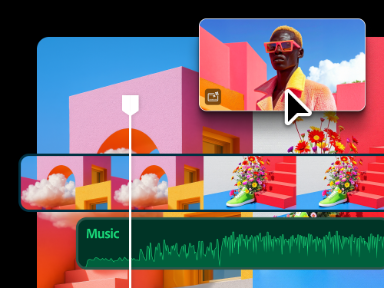
Cinematic and storytelling editing styles.
Cinematic editing focuses on narrative, pacing, and emotional impact. It is often used in brand films, documentaries, and long form content where storytelling is central. This style emphasises visual continuity, music, and carefully timed cuts to guide viewer attention.
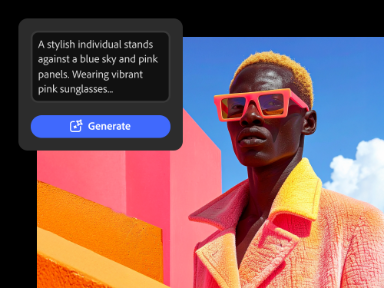
Story driven editing requires attention to detail and consistency across scenes. Colour grading, sound design, and transitions all play a role in creating a cohesive viewing experience. When done well, cinematic editing can make even simple footage feel immersive and engaging.
Social first and corporate video editing.
Social first editing is designed for short attention spans and mobile viewing. It prioritises quick pacing, strong opening visuals, and clear messaging within the first few seconds. This approach is commonly used for reels, shorts, and digital campaigns where engagement speed is critical.
Corporate video editing focuses on clarity and professionalism. It is often used in training videos, presentations, product explainers, and internal communications. The goal is to deliver information clearly while maintaining a consistent brand tone and visual identity.
Both styles rely on strong editing choices, but their priorities differ. Social first editing aims to capture attention quickly, while corporate editing emphasises structure and clarity.
Types of cut in video editing.
Understanding the types of cut in video editing is essential for shaping pacing and storytelling. Cuts determine how scenes connect and how viewers move from one moment to the next.
Common types of cuts include:
- Straight cuts, which move directly from one shot to another and are used to maintain flow
- Jump cuts, which remove sections of time to create faster pacing
- Cutaways, which show related visuals to support narration or context
- Match cuts, which connect similar visual elements across scenes
- Cross cuts, which move between two scenes happening simultaneously
- Each type of cut influences how a story feels and how smoothly it unfolds
Types of video editing effects.
Types of video editing effects can range from subtle enhancements to more stylised creative choices. Effects help refine visuals, improve clarity, and create a consistent tone across a video.
Common editing effects include colour correction, lighting adjustments, motion graphics, transitions, and visual overlays. Used thoughtfully, these effects enhance storytelling without overwhelming the viewer. Modern workflows increasingly include AI assisted effects that automatically enhance visuals or generate creative elements. These can speed up editing while maintaining a professional look.
Types of video formats and quality considerations.
Understanding types of video formats quality is important for ensuring videos display correctly across platforms. Resolution, file format, and compression all influence how a video appears to viewers.
High resolution formats provide clearer visuals but require more storage and bandwidth. Compressed formats are easier to share online but may reduce quality if not optimised correctly. Choosing the right format ensures content looks sharp whether viewed on mobile, desktop, or large screens.
Matching format and quality to the intended platform helps maintain consistency and ensures viewers have a smooth experience.
How AI is shaping modern video editing.
AI assisted editing is becoming a key part of modern video production, particularly as content demands increase across digital platforms. Rather than manually adjusting every frame, editors can now use AI tools to streamline time-consuming tasks such as colour balancing, scene enhancement, background refinement and basic motion adjustments. This helps speed up production while maintaining visual quality and consistency across multiple projects.
AI can also support creative exploration. Instead of committing to one look early in the process, creators can test different styles, visual tones or enhancements without rebuilding the entire edit.
Subtle lighting corrections, stylistic overlays or automated scene suggestions can be applied and refined quickly. This makes it easier to compare variations, experiment with pacing and adapt content for different audiences or platforms.
Importantly, AI does not replace traditional editing skills. Strong storytelling, timing and visual judgement remain central to effective video production. AI simply reduces repetitive technical work and assists with early-stage experimentation, allowing editors to focus more on narrative flow, audience engagement and creative direction. When used thoughtfully, AI becomes a supportive layer within the workflow rather than a substitute for professional expertise.
Remix content from the community.
Discover Firefly prompts to remix and submit your own images to the gallery.
Frequently asked questions.
You may also like