


AI video is transforming how content is created. This technology is making video production faster, more accessible, and more affordable. Instead of relying on complex tools, costly equipment, and large teams, creators can now turn simple ideas into professional videos using AI.
As video continues to dominate platforms like YouTube, Instagram, and LinkedIn, AI tools help individuals and businesses keep up with demand at scale. In growing digital markets like India, they also make it easier to create and localise content across multiple languages with minimal effort.
AI video refers to video content that is created, edited, or enhanced using artificial intelligence. Instead of relying entirely on manual filming and editing, AI tools can generate visuals, animations, voiceovers, and even full scenes from simple inputs like text, images, or prompts.
In many cases, users can turn a written script into a fully produced video without needing cameras, actors, or advanced editing skills.
AI video works by combining advanced machine learning systems with creative automation tools to turn simple inputs (like text, scripts, or images) into fully produced videos. Rather than editing every frame, AI systems analyse your input and generate visuals, voice, and motion automatically.
At a high level, the process involves interpreting your input, structuring it into scenes, and assembling elements like visuals, narration, and transitions into a cohesive video.
AI video creation is powered by several core technologies:
Machine learning
Machine learning enables AI systems to learn from vast amounts of existing video, image, and audio data. By identifying patterns, such as how people move or how scenes are structured, these systems can generate new, realistic video content.
Generative AI models
Generative AI models are the core engines behind AI video creation. Unlike traditional systems that only analyse data, these models can create entirely new content. They can produce entirely new visuals, characters, backgrounds, and animations based on a prompt. For example, a simple input like “a sunset over a city skyline” can be turned into a full animated scene.
Natural Language Processing (NLP)
Natural Language Processing (NLP) enables AI systems to understand human language. When you type a script or prompt, NLP interprets meaning, context, tone, and intent. This allows the system to break your input into scenes, decide what visuals are needed, and structure the video logically.
Computer vision
Computer vision allows AI to interpret and understand visual elements. It helps generate and arrange objects, detect facial expressions, track movement, and maintain consistency across video frames. This is especially important for maintaining realism in AI-generated videos.
AI video tools use different approaches depending on the level of control, complexity, and type of output required.
A text-to-video generator allows users to create videos by simply entering a prompt or script. The AI automatically generates visuals, scenes, and transitions based on the input. This method is often used for quick content creation, social media clips, or concept visualisation.
AI avatar generators create virtual presenters who can deliver scripts on screen. They can mimic human speech and expressions which makes them useful for training videos, corporate communication, and product walkthroughs, especially when real filming is not practical.
AI voice generation tools convert written scripts into natural-sounding speech from text and even translate and dub videos into multiple languages. This makes it easier to localise content and scale video production across regions like India without re-recording audio.
AI animation tools enable users to create animated videos without manual design or motion skills. The AI generates visuals and movement automatically, making this method ideal for explainer videos, educational content, and storytelling without requiring manual animation skills.
AI video is being adopted across industries because it makes content creation faster, more scalable, and more cost-efficient. From marketing teams to solo creators, it is changing how video content is produced and distributed.
Businesses use AI video to quickly create ad variations, promotional campaigns, and brand storytelling content. Instead of producing a single expensive ad, marketers can generate multiple versions tailored to different audiences, platforms, or languages. This is especially valuable in competitive markets like india, where region-specific messaging is often required.
AI video helps creators and brands maintain a consistent posting schedule on platforms like Instagram, YouTube, and LinkedIn. Users can generate short-form videos, reels, and explainers from simple scripts or ideas, which makes it easier to stay visible and relevant without heavy production effort.
Companies use AI video to create onboarding modules, compliance training, and internal communication videos. Instead of organising repeated live sessions, HR and L&D teams can produce reusable videos that are easy to update and distribute across different locations and time zones.
AI video is widely used to demonstrate how a product works or explain services in a simple, visual format. This is particularly valuable for SaaS companies and startups that need to communicate complex ideas clearly without investing in full-scale video production.
AI enables the creation of personalised videos at scale, allowing content to be tailored to individual users. For example, businesses can send customised onboarding messages, sales pitches, or customer updates using AI-generated voices and avatars, improving engagement and conversion rates.
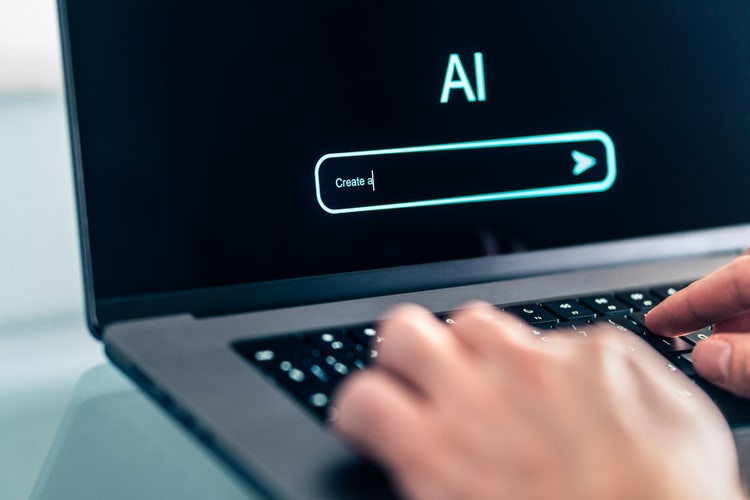
AI video simplifies the entire video production process by reducing the time, cost, and effort required compared to traditional methods. It enables individuals, creators, and businesses to produce high-quality video content quickly and at scale, without needing advanced technical skills or large production teams.
While AI video tools have come a long way, there are still some limitations to be aware of before relying on them entirely.
Because of AI’s limitations, it is important to approach AI video with a level of caution. Human supervision still plays a key role in ensuring accuracy, quality, and appropriateness. Reviewing AI-generated content helps catch errors, refine messaging, and ensure that the final output aligns with brand guidelines, cultural context, and audience expectations.
When used responsibly alongside human input, AI video can be a powerful tool that enhances creativity rather than replacing it.
Explore these in-depth guides to better understand how AI video works, how it compares to traditional methods, and how it’s used in real-world scenarios.
For a complete overview, you can also read the Complete Guide to AI Video Creation, which covers everything from tools to real-world applications.

Based on your location, we think you may prefer the United States website, where you'll get regional content, offerings, and pricing.


