Project proposal example: What it is and how to write one.
Learn what a project proposal is, explore real examples, and get step-by-step tips for writing one, plus customisable templates with Adobe Express.




From students to entrepreneurs, anyone can benefit from knowing how to write a professional proposal. A clear project proposal helps you communicate your goals and secure support, whether you’re pitching a business idea, requesting funding, or outlining a school project.
This guide will explain different project proposal examples, explains how to tailor your proposal structure, and how Adobe Express UK can help you build a polished, branded version to share with your team.
What is a project proposal?
A project proposal is a document that outlines what your project is, how you plan to complete it, and why it matters. It’s used to pitch an idea, secure funding, or get internal approval on a project. A proposal example for a project can range from one-pagers to detailed multi-section proposals. It should include objectives, timelines, budgets, and outcomes.
Some of the most common purposes of a project proposal include:
- Securing funding
- Getting stakeholder buy-in
- Clarifying objectives
- Defining timelines
- Allocating resources
- Minimising risk
- Providing a reference
Free project proposal examples from Adobe Express.
recipe
What are the different types of project proposal?
A project proposal can take many forms depending on who it’s for and what you're trying to achieve with it. Understanding the types of project proposal examples helps you structure it correctly.
Solicited proposals.
These are proposals requested by a client, organisation or funding body and are based on a known need. They are often in response to a brief, tender, or RFP (request for proposal).
Unsolicited proposals.
This proposal is submitted without a prior request, usually to pitch a new idea or convince a decision-maker to explore something new. This is common in sales and innovation teams.
Internal proposals.
Proposals can be used within a business or organisation to get management buy-in for a new process, event, product, or system upgrade with no plans to share outside of the company.
Grant proposals.
Grant proposals are written to apply for funding from a charity, government, or institution. They should include financial details, timelines, and how the project will align with the funder's goals.
Research proposals.
Project proposals are often used in academia to outline the scope, methodology, and purpose of an upcoming research project.
Academic proposals.
Dissertation or EPQ project proposal examples and other forms of academic proposals are common in universities to gain approval before starting a longer piece of academic work.
Marketing proposals.
Marketing proposals are used to outline planned marketing campaigns including what, why, how, and ROI predictions. These are often shared with clients or stakeholders.
Business proposals.
Business project proposals are used to pitch business solutions, services, or ventures to a client or investor. They can be a standalone document or part of a larger business plan.
How to write a project proposal.
A strong proposal should follow a logical structure, no matter what the topic is. Here's how to write an action plan for a project step-by-step:

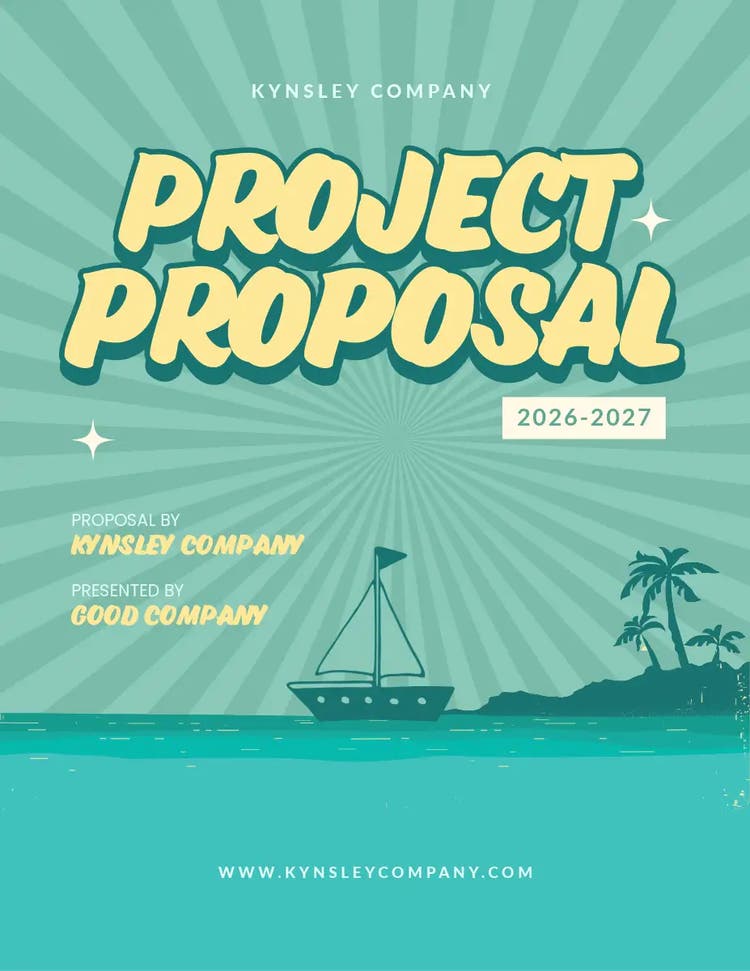
Create your cover page.
Write the executive summary.
Build a table of contents.
Write the problem statement.
Define your objectives.
Detail your methods and strategy.
Include budget and timeline.
End with a conclusion and call to action.
More editable project proposal ideas and examples.
recipe
How can Adobe Express help you write your project proposal?
Adobe Express has tools and templates to help you design a proposal that looks as good as it reads, from one-pagers to full presentations.
1. Make the most of work and project proposal templates.
Choose from editable layouts that include sections for scope, budget, timelines and more to build your proposal.
2. Craft your own professional cover sheet.
First impressions matter, so select a sleek, on-brand design for your proposal. You should also design a cover page that will make your proposal appear more professional.
3. Add your company branding for consistency.
Use your brand fonts, logos and colours throughout the proposal for consistency.
4. Get feedback from your colleagues and classmates.
Share a link for live collaboration and input from anyone who needs access to the proposal before it’s published and shared.
Turn your project proposal into a presentation with AI tools on Adobe Express.
Use the Adobe Express AI Presentation Maker to turn your project proposal example into a live pitch deck. Just enter a prompt like “event proposal for a charity fundraiser” or “business expansion project” and the tool will suggest a full slide layout with editable content that you can customise. Finally, add visuals, icons, or charts to support your message. It’s ideal for sharing proposals with investors, stakeholders, or tutors and helps you tell a compelling story to secure approval even faster.
Discover more you might like.
You might also like...