What is the future of creativity? Insights from Adobe Express Evangelist Jordan Ellis
Adobe Express
02/12/2026
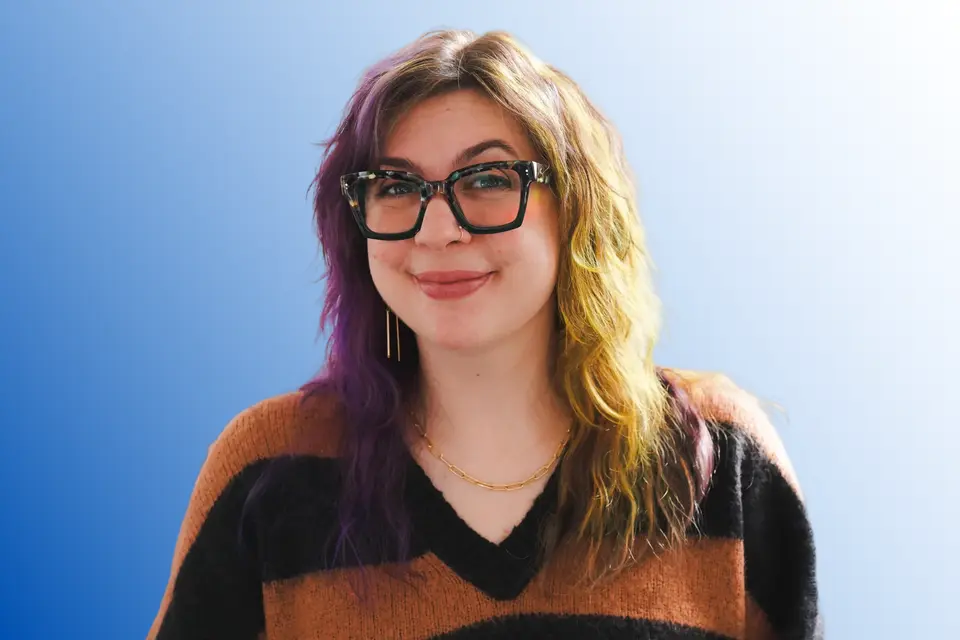
Adobe Express Evangelist Jordan Ellis sees the future of creativity as minimizing the distance between vision and creation. With more than a decade of entrepreneurship experience building a niche fashion brand, running a geeky magazine, and helping other small businesses develop their social media strategies, she’s witnessed how creativity changes over time. As an Adobe Express community manager, she helps businesses, brands, and creatives elevate their online marketing with compelling, eye-catching content.
For many creators, the most challenging part of the creative process isn’t coming up with a great idea — it’s translating it into something real. As technology evolves, the most powerful creative tools will be able to adapt to creators. At least, that’s what Ellis believes.
“Storytelling will always be one of the most important things creators can focus on,” Ellis says. “Focus on concepts, what you want to say, and how you want to say it.”
Even in a future filled with jaw-dropping generative technology, Ellis emphasizes that AI won’t replace human thinking and creativity. Rather, it will help turn the ideas people have into reality. In this article, Ellis shares her vision of how transformative tools will make tomorrow’s creativity more accessible while preserving artistic talent and intent.
Key takeaways:
Friction limits creativity: Repetitive tasks, high costs, and technical barriers often prevent people from expressing their ideas.
AI amplifies human creativity: Generative AI helps creators ideate, edit, and produce content that would otherwise take much longer, boosting productivity and experimentation.
Efficiency and experimentation can coexist: By taking on more functional tasks, tools give creators freedom to play, iterate, and refine concepts.
Everyone has creative potential: Lowering entry barriers with accessible tools enables people of all skill levels to discover and express their creative voice.
Human intention drives creativity: Storytelling and the meaning behind work remain central, with technology serving as a support system.
The biggest barrier to creativity is friction, not talent
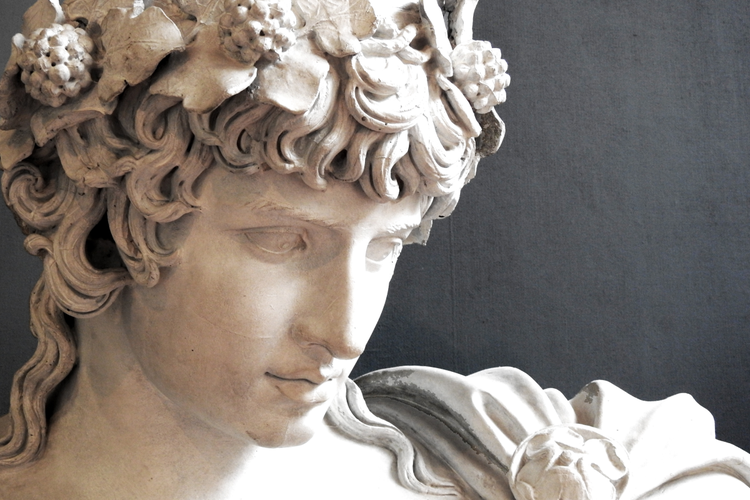
Throughout history and across cultures, creativity has always existed, but the tools to express it have been limited by access, training, or cost. Many centuries ago, carving marble sculptures was one of the main forms of artistic expression — a process that took months and wasn't available to everyone. Today, with more creative mediums, the door is open for more people to translate their ideas into reality.
“With more new ways to showcase our creativity, more creativity is showcased,” Ellis says.
For thousands of years, if you made a painting, the only people who could view it were people standing in front of it. But the internet and modern design tools have allowed more people to share their artistic passions with the world.
This shift shows a broader change in how creativity is defined and who gets to participate. The same is true for the latest wave of technology with the expansion of AI tools.
Ellis sees the current moment as a turning point when technology can now unlock creativity for more people rather than gatekeeping it.
Many people believe that creativity requires a natural gift or years of training to develop. While Ellis sees mastery of creative skills as an incredible privilege, she appreciates that the expansion of creative tools has allowed more people to create — and do so more easily. The Adobe State of Creativity Report found that 44% of creatives spend half their week on repetitive tasks, and 50% said labor-intensive tasks are a major challenge, emphasizing how practical barriers often prevent people from reaching their creative potential.
As tools become more intuitive and accessible, creators can spend less time learning software and more time experimenting, ideating, and refining ideas, showing how AI and human creativity can work together and remove friction from the creative process.
AI will amplify human creativity
As AI in creative industries becomes more prevalent, some creators worry that the technology will diminish human creativity and dull their skills. Ellis says it’s valid to exercise caution with new technology, but it’s also important not to let the fear of the unknown stop you from experimenting and creating with new tools.
“I think it can be really easy to let the things that scare you stop you from creating,” she says.
As an example, Ellis mentions digital photography. Film cameras used to be the norm, but when DSLRs came on the scene, people wondered if the craft would be devalued because everyone was able to capture photos. Then when smartphones became ubiquitous, amazing pictures and precious moments could be captured, edited, and shared even more easily.
As Ellis points out, she couldn’t experiment with film cameras the way she can now with a smartphone in her pocket. There’s more room for trial and error, for learning by doing. Just as digital photography expanded who could capture moments without making professional photographers obsolete, modern creative tools open the door for more perspectives without diminishing the artistry.
According to the Adobe Creators’ Toolkit Report, 81% of creators said AI helps them create content that they couldn’t have made otherwise. In addition, 86% of creators actively use generative AI across their workflows to edit, upscale, enhance, generate new assets, ideate, or brainstorm. These findings demonstrate a shift toward AI as a collaborative tool that supports creative ambition.
Efficiency and experimentation can coexist
In the future, creativity won’t be confined to a single medium or tool or to just a few gifted individuals. Instead, it will move with ease across formats, platforms, and people. Ellis emphasizes the importance of creative leaders making space for experimentation and play.
“The times where I have felt the most safe to experiment and play are when I’ve been in situations where it’s okay to fail as long as you’re learning something,” Ellis says.
As tools take on more repetitive tasks, creators can focus on creating concepts. This enables quicker creation and the ability to refine ideas without starting from scratch. Tools like Adobe Express enable this accessible future by supporting experimentation and easy adaption across platforms.
According to a Pfeiffer Report, Generative Fill and Generative Expand were 10 times faster than using traditional retouching methods for assets. Research has shown that artists who adopted generative AI saw a 50% increase in productivity, producing more work and receiving more engagement on creative outputs. With quicker workflows and a culture that encourages experimentation, an agile, innovative, creative future is closer than you think — and available to all.
Everyone is creative
Creativity may not look the same for all of us, but we all have ideas worth expressing. Ellis doesn’t buy into the notion that only certain people are creative.
“I think most people have creativity,” she says. “They just haven’t learned how to showcase and express it.”
By lowering the barriers and making creation feel approachable, modern tools can help people uncover their own creative language. With the expansion of platforms and tools, creators can adapt ideas to fit different contexts without having to start over.
Adobe research found that 53% of Americans have used generative AI and 82% believe it will help them be more creative in the future, reinforcing the growing connection between AI and creativity in everyday workflows. The State of Creativity Report found that 50% of respondents cited a lack of access to the right tools as a roadblock keeping them from taking on new creative pursuits. With the right tools, most people can engage creatively and bring their ideas to life, regardless of prior experience or skill level.
By removing technical barriers and providing support for ideation and adaptation, creative tools empower people to discover their own creative voice. Creativity is no longer reserved for a select few — it’s a skill that anyone can cultivate.
Fuel your next creative journey with Adobe Express
When creators are free to focus on ideas, stories, and experimentation, creativity feels more natural. By reimagining how tools support imagination, we can move closer to a world where anyone can create and enjoy the imaginative journey along the way.
The future of creativity isn’t about replacing human skills or craft. It’s about expanding access to them. Technology can help improve productivity and efficiency, but tools don’t define creativity — people do. With Adobe Express, creators of all skill levels can design, edit, and share their visions quickly, and then turn complex ideas into polished results without getting bogged down by technical barriers.
Features like the AI template generator and AI image generator help with quick ideation and iteration, so you can start the creative process. From there, adjust as needed with tools like Generative Fill, so you can refine without starting from scratch.
The future of creativity is defined by human storytelling and the meaning behind the work. Technology can support the process, but it’s the intention of the work that leaves a lasting impact. The future of creativity is about experimenting, iterating, and collaborating to bring ideas to life in a way that feels intuitive and inspiring.
Try Adobe Express today to discover how you can turn ideas into reality.