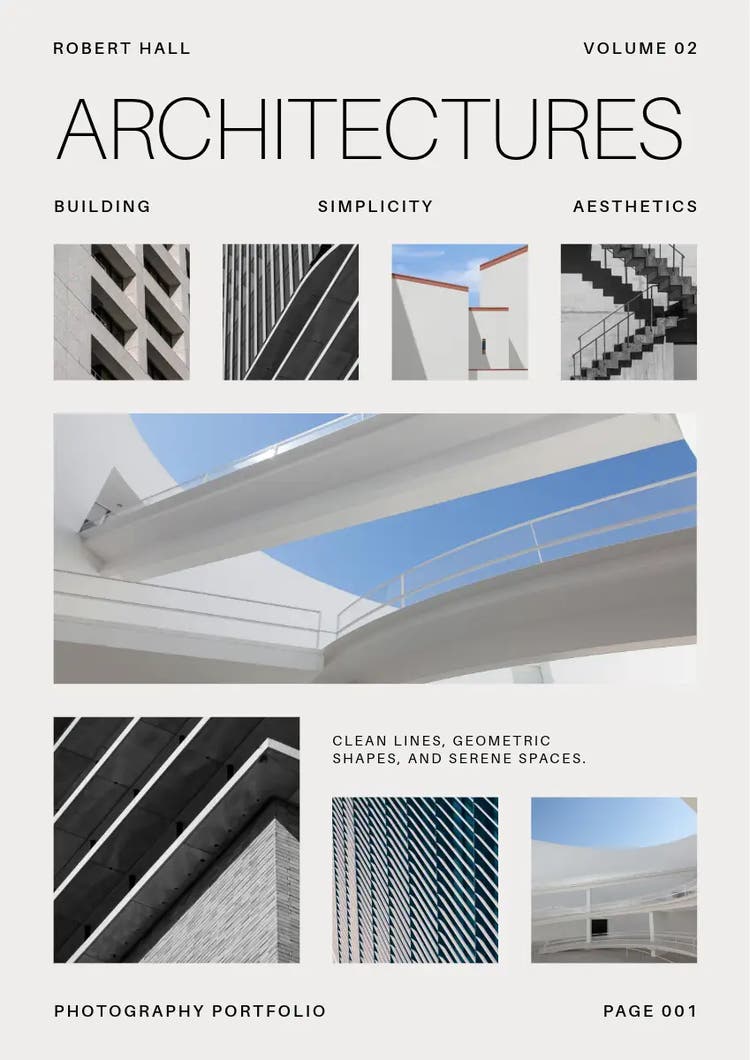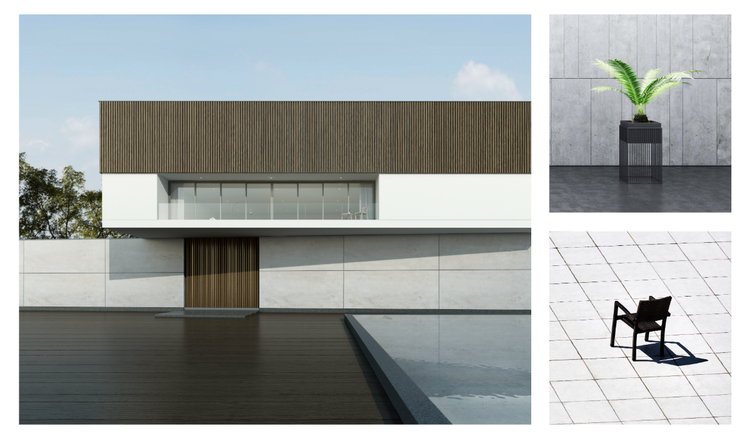




An architecture portfolio is a must for any architect. How else would you show off all your amazing work? Whether you’re applying for an internship or a new job, a portfolio full of your best projects will help you showcase your key skills and abilities.
Unsure where to start? Don’t fret – we’ll take you through how to make an architecture portfolio in this helpful Adobe Express guide. Continue reading to learn everything from why they’re important to layout ideas to make your portfolio one to remember.
What is an architecture portfolio?
An architectural portfolio is a document made up of an architect’s best work. Used to represent your experience as a designer, you’ll pick out projects that showcase your creativity and unique abilities to help you stand out from others in the same field. Your architectural portfolio should give an insight into your architectural skills, technical abilities, design style and demonstrate how you’ve evolved in your career over time.
Why do I need an architecture portfolio?
An architectural portfolio is an important tool for promoting yourself and documenting your progress. It serves a key role in attracting clients and boosting your reputation as an architect.
Here are a some of the main benefits of an architecture portfolio:
Shows off your architectural abilities.
There’s no better way to showcase your skills as an architect than with visual evidence of your work. Your portfolio will show your range and experience by displaying everything from conceptual ideas to finished projects.
Sets the tone for your appointments or interviews.
Your portfolio will be the first impression of you that interviewers get. It gives an insight into your abilities and provides a point of discussion in the interview.
Helps you develop a personal brand.
A compilation of all your work will help to establish a personalised brand for yourself. You can then display your projects as a cohesive collection that’s consistent with your brand identity in terms of design style, values and approach.
Sets you apart from the competition.
By having a personal brand, you’ll be able to set yourself apart from others in the field. Interviewers and clients will have the visual materials to assess your work.
Showcases your growth.
Your portfolio will evolve as your career as an architect progresses. It’s a great way to document your growth in the field, helping you track your progress and showcase changes and adjustments in your work.