Loyalty cards for small businesses: professional and polished ideas to explore.
Craft customer rewards that build loyalty.
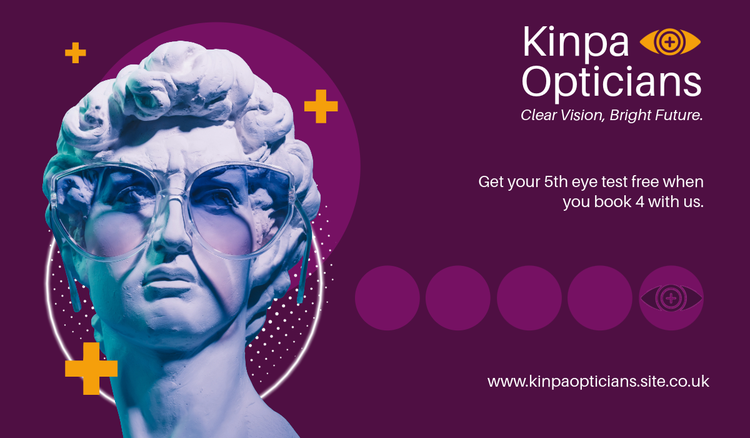




A loyalty card can encourage repeat business while helping customers feel recognised and rewarded. Whether you're running a café, salon, retail shop, or service business, a well-designed loyalty programme can help strengthen customer relationships and increase retention.
Design professional loyalty cards, promotional materials, and branded customer experiences with Adobe Express.
What is a loyalty card and how does it work?
A loyalty card is a simple and effective marketing tool that encourages customers to return to your business. Whether it’s a paper stamp card or a digital points tracker, the aim is to reward repeat purchases. Common in cafés, hair salons, boutiques, and local shops, loyalty cards give customers an incentive to choose your business again. Digital loyalty cards can also be a great option for online businesses, like eCommerce stores, to build better relationships between customers and brands. For small businesses, they’re a cost-effective way to retain regulars and build a loyal customer base, helping turn occasional visitors into regular customers and brand advocates.
Most loyalty cards operate on a “buy ‘X’, get 1 free” model or offer discounts after a set number of visits. Others let customers collect points to redeem rewards. The design for your loyalty card can be as simple or as branded as you like; just remember that consistency matters. Your card should align with your visual identity and feel like part of your business. Adobe Express makes it easy to design loyalty cards that look polished and professional. Use ready-made templates, upload your logo, choose your brand colours, and create cards for your loyalty scheme quickly and easily.
Key components of a successful business loyalty card.
A well-designed loyalty card doesn’t just look good; it works hard for your brand. The first key component is clarity. Make sure the offer is easy to understand at a glance. State how the programme works, for example, “Collect 9 stamps, get your 10th coffee free” or “Buy 5 pairs of socks and get a novelty pair free”. Think about what your customer would most appreciate receiving and make the reward worth the effort. Spell out the deal in a clear way and avoid any confusing terms or unclear visuals, as these could easily put customers off.
The second essential thing to focus on is branding. Your loyalty card should reflect the look and feel of your business, from typography and colours to logos and language. Make it instantly recognisable as yours so that when the customer sees the loyalty card in their physical or digital wallet, they think, “Ooh, only two more purchases at Dolly’s Doughnuts and I’ll get a free doughnut”. Consider adding your business contact details or a QR code linking to your site or map app to help people find your store easier or discover more offers on your social accounts. You want your physical card or digital card to behave like a reminder in your customer’s wallet or pocket, nudging them to make a beeline for your store, so it’s worth creating a card that looks professional. Adobe Express lets you customise your cards with custom stamp logos, brand colours, and creative touches so that they help sporadic purchasers become loyal customers. Learn how to create a clothing or fashion brand and why maintaining brand integrity is so important across all your business and marketing activities.
recipe
How to design loyalty cards that reflect your brand.
Loyalty cards serve multiple purposes, including tracking points or stamps, building brand relationships with customers, and encouraging customers to repeatedly return to make purchases at a business. As a result, it’s important to recognise that loyalty cards are a powerful tool for building brand loyalty and making your business memorable. For small businesses in the UK that don’t have huge marketing budgets to reach more customers, aligning your loyalty cards with your overall brand identity can help foster an emotional connection with local customers, encourage repeat visits, and set you apart from competitors.
Here’s how to create loyalty cards that truly belong to your business:
- Choose a consistent style. Use the same fonts, colours, and logo as your existing flyers, menus, posters, and social media graphics. This visual consistency reinforces your brand identity and makes your loyalty cards instantly recognisable. Use Adobe Express to apply your brand’s look and feel across all your templates in a single click.
- Select the right format. Decide whether you want a small wallet-sized card, a digital version, or both. Digital loyalty cards are increasingly popular, especially when paired with QR codes for easy enrolment and tracking. Adobe Express provides templates for both printable cards and digital versions that can be shared via email or QR code.
- Keep the layout simple. Avoid clutter. Make sure there’s enough space for stamps or a tracking system, and keep the reward message clear and bold. Adjust spacing, icons, and font sizes to achieve a balanced, easy-to-use design. Simple layouts are not only visually appealing but also make the loyalty process straightforward for your customers. Think about using business card-size templates to see just how little space you have to play with and figure out how best to design your loyalty cards.
- Include a call to action. Add a prompt like “Start collecting today” or “Your next coffee could be free” to encourage customers to use the card. Experiment with different messages and layouts to see what resonates best before you print or share your final design.
Beyond the card itself, consider printing business cards that match your loyalty cards for a cohesive brand experience. You can also use QR code stickers on your shop counter, packaging, or even as part of limited-time loyalty campaigns, making it easy for customers to join, collect points, or access special offers with a simple scan. Learn more about how to create loyalty campaigns that retain customers and grow your business.
recipe
Tips for launching a loyalty card programme.
Launching a loyalty card programme can set your business apart and foster lasting customer relationships, but success starts with careful planning. Test your reward model first to ensure it’s appealing and sustainable. Trial it with regulars and refine it based on their feedback. Keep your design simple and aligned with your brand, making sure all materials, from loyalty cards to business cards, look consistent. Map the customer journey to identify key touchpoints and streamline the experience, and ensure your marketing is inclusive and accessible to reflect the diversity of your customer base. For more on these strategies, learn how to build brand authority in the UK, and how to market to Gen Z, Baby Boomers, and Millennials.
Once your programme is ready, train your team to explain it clearly and place sign-up options at prominent locations like the till or checkout. Promote your scheme across social media, email newsletters, and in-store posters, using Adobe Express to keep your assets visually consistent. A successful loyalty programme should be easy to join, simple to use, and genuinely rewarding, encouraging repeat visits and word-of-mouth recommendations. By focusing on trust, inclusivity, and a seamless customer journey, you’ll build stronger relationships and boost your business’s reputation in the UK market.
recipe
How to bring your loyalty card to life.

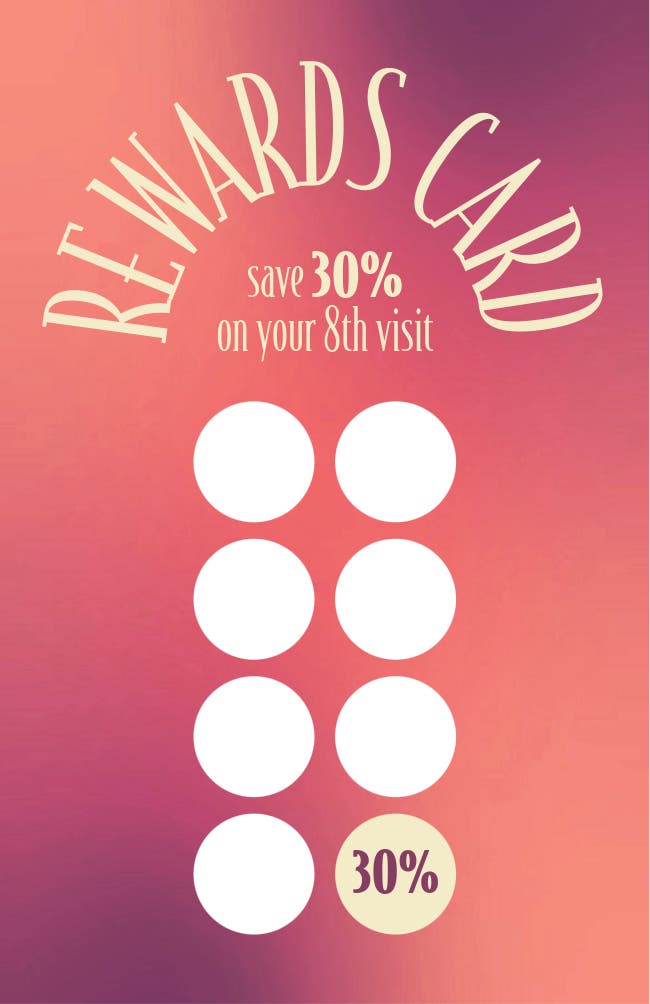
Loyalty card examples for cafés, small businesses, and local shops.
Loyalty cards can be tailored to fit a variety of small businesses selling goods and services to the general public. Here are some practical examples for cafés, small businesses, and local shops:
- Cafés. A classic stamp-based card works well, and many customers are likely already familiar with a “Buy 9 drinks, get 1 free” loyalty scheme. Design your card with a clear grid layout for stamps and use coffee-themed colours or icons to match your café’s atmosphere. This simple approach is easy for both staff and customers, and you can enhance branding by matching your loyalty cards with your business cards and in-store signage.
- Small Businesses. For eCommerce, fashion, or handmade goods shops, a digital points-based system is ideal, like “Earn 1 point per £10 spent, collect 10 points for £5 off”. Integrate QR codes for easy tracking and special promotions, and ensure your loyalty scheme is visible at checkout or through email campaigns. Use your brand’s colours and style across your website, loyalty emails, and even product packaging to maintain consistency and build trust.
- Local Shops. Local retailers can offer punch cards or digital loyalty apps, such as “Spend £20, get a stamp. Collect 10 stamps for a free gift or discount”. Shops offering services, like hairdressers or dog groomers, can also develop loyalty programmes to encourage customers to come back to their business. Make your cards memorable by including your logo and matching the design to your shop’s branding, and consider QR code stickers for easy sign-up at the till. This encourages repeat visits and keeps your shop top of mind in the local community.
No matter your business type or marketing budget, a well-designed loyalty card that fits your brand and customer base can make a real difference to your sales figures. Use Adobe Express to make a simple yet polished design and get ready to launch your loyalty programme.
Adobe Express can help you.
Designing loyalty cards is quick and easy with Adobe Express. Choose from professionally designed templates, adjust fonts and colours, add your brand logo, and create print or digital versions to suit your business. Start creating with Adobe Express today.