


A mood board helps turn inspiration into a clear creative direction. By bringing together colours, imagery, typography, and design references, mood boards make it easier to explore ideas, align on a vision, and guide creative projects from concept to execution. Create professional mood boards with Adobe Express and bring your ideas into focus.

Try these inspiring mood board ideas to bring your vision to life.
Transform your ideas into visual clarity with mood boards that inspire.

Easy all-in-one editor

One-click edits from any device

Fast creation with generative AI
Thousands of professionally designed templates
Summary
What is a mood board and what is it used for?
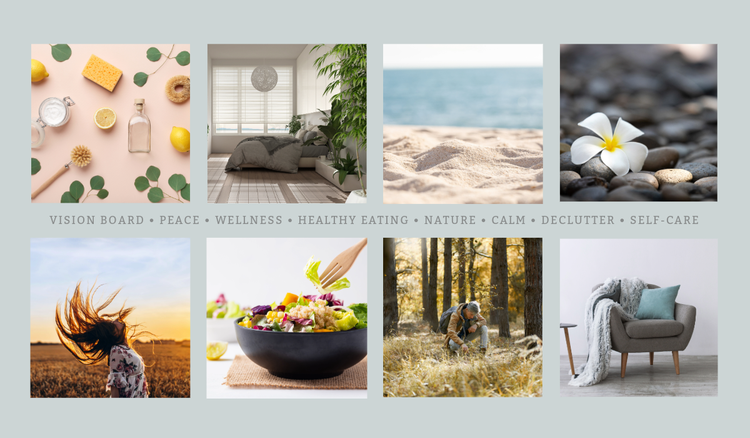
A mood board is a visual planning tool that helps you explore and communicate a creative direction. It can include a mix of images, colours, typography, textures, and short phrases that reflect the style or concept you want to achieve. Mood boards are widely used across industries, from branding and product design to event planning and marketing. For solopreneurs and small teams, a mood board makes it easier to shape ideas and present them clearly to clients or collaborators without needing to design everything from scratch or put concepts into words.
Whether you’re pulling together inspiration for a product shoot or planning a consistent visual tone for a social media campaign, a mood board helps set the creative guardrails. It’s also a practical way to align ideas early on in a project before spending time or money on production. You don’t need to be a designer to create one, either. With Adobe Express, you can explore templates and start crafting a mood board that reflects your vision with ease.
Key things to include in your mood board.
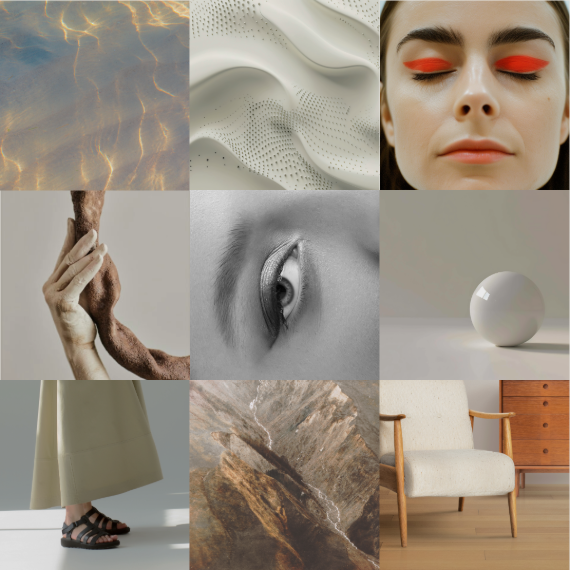
Start with your core visual elements. These include colours that match your brand personality, typography that reflects the tone of voice, and a few key images that set the style. These could be anything from product shots and model photography to event setups or even natural textures. If you’re designing for a specific use case like a café rebrand or product launch, include inspiration that relates directly to that setting. Explore different themes, such as goblincore, barbiecore and cottagecore, and draw inspiration from styles that align with your end goal. You’ll also need to think a little bit about layout and structure. At the beginning, your mood board might be an info-dump of all things inspirational, but as you continue to work on it, you’ll need a degree of organisation to help formulate your thoughts. A good mood board has a visual flow, so try to keep it clean and focused. Avoid overloading it with too many images and get rid of unrelated styles. Add short words or statements that reinforce your theme, as these can guide tone as well as design.
To make your mood board even more effective, consider adding tactile or interactive elements that capture the full sensory experience of your brand or project. Swatches of materials, such as fabric samples for uniforms, textured paper for menus, or even packaging prototypes, can help communicate the look and feel you want to achieve. If you’re working digitally, include close-up images of these textures or short video clips to bring your vision to life. Don’t overlook the power of inspiration from outside your immediate industry; reference creative menu layouts, wedding colour palettes, or illustration styles from sectors like fashion, interiors, or tech to add fresh perspective and originality. By curating a mix of visual, textual, and tactile components, your mood board becomes a comprehensive tool for guiding design decisions and keeping your project on brand. Use Adobe Express to mix and match design elements, drag and drop assets, and play with different colour palettes so you can fine-tune every part of your mood board without starting from scratch. Start crafting your own vision with these stylish fashion mood board templates.

How to create a mood board from scratch.
Creating a mood board doesn’t need to be time-consuming. Here’s how to get started in four simple steps:
1. Define your goal.
What is your mood board for? Is it a rebranding exercise or for a campaign or an event? Be clear on the purpose, as this will be paramount to setting you off on the right course. Having an end goal helps you filter what to include and what to get rid of. If your mood board is part of a business marketing strategy, you can discover how to develop your brand image.2. Choose your format.
Will it be shared as a presentation slide, flyer, or poster? Pick a layout that works for your audience. With Adobe Express, you can design mood boards as digital boards, printable flyers for workshop exercises or even presentation-style layouts using slideshow templates. If presenting your mood board as part of a social strategy overhaul, check out these social media strategy presentation tips.3. Collect your assets.
Pull together photos, colours, typefaces and even patterns or sketches. You can upload your own images or browse the stock library for free photos, icons and design elements.4. Design and refine.
Drag and drop your assets into your template. Adjust spacing, align images, and try out different styles. Tweak colours and fonts to match your brand. With Adobe Express, you can duplicate versions easily, making it simple to test different directions before finalising.
Creating a mood board can be a great way to explore more creative directions for brands and businesses. Plus, if you’re planning on launching a clothing business or looking to tap into the UK’s side hustle landscape, a mood board can help you conceptualise your ideas into a clear visual direction, helping you lay the groundwork for your brand style and designs.
Why mood boards help with visual planning and branding.
Mood boards are more than inspiration; they’re tools for alignment and help streamline collaboration. When you’re working solo or in a small team, they help you pin down a visual language early on. That means less back and forth later when it’s time to create marketing materials or branded content. If your business is client-facing, a mood board also acts as a quick visual reference that helps others understand your creative direction. It can also be incorporated into project proposals and project presentations as required. By presenting a clear, cohesive visual summary, mood boards reduce misunderstandings and speed up the approval process, making it easier for everyone to stay on the same page. Mood boards can also serve as a benchmark for future projects, providing a visual reference point that helps keep new campaigns, website updates, or product launches consistent with your established brand style.
As well as visuals, mood boards can capture the mood, energy, and even the values you want your brand to convey. By including elements like inspirational quotes, textures, or references to trending aesthetic styles—such as dreamcore, kidcore, or crypto art—you can ensure your branding feels fresh and relevant. This holistic approach not only makes your planning more efficient but also inspires creative thinking, helping your brand stand out in a crowded market. At the same time, a mood board can help keep your new artistic vision on brand. A good mood board shows how fonts, colours and images come together to create a recognisable look, kind of like a mini brand guide. Whether you’re optimising social media visuals or planning the vibe for a launch event, a mood board helps ensure that every piece feels connected. Adobe Express makes it easy to bring all these elements together into a brand library and apply them across other design templates too.
Mood board ideas for branding, events, and creative projects.
Looking for inspiration for your next personal or business project? Mood boards are incredibly versatile tools that can be tailored to suit a wide range of creative needs. For branding, a mood board typically includes your logo, colour palette, brand slogans, and imagery that reflects your target audience or the lifestyle your brand embodies. These elements guide everything from website design and packaging to marketing collateral, heloing build a consistent and compelling brand identity. It’s also a space to reference styles like Frutiger Aero or Y2K, great for experimenting with aesthetics and elevating your overall brand vision.
Planning an event like a wedding, product launches, or seasonal campaign? Mood boards can help you curate the entire atmosphere. They might feature colour schemes, décor inspiration, invitation designs, and mood-setting touches like music or lighting ideas. For creative projects, artists, content creators, and freelancers often use mood boards to pull together inspirations for campaigns, photo shoots, or content calendars. These boards blend sketches, style references, quotes, and visual motifs to clearly shape the creative direction. With Adobe Express, you can easily browse and customise templates designed for all these purposes, making it simple to craft mood boards that perfectly match your project’s vision.
Adobe Express can help you.
Mood boards are more than just spaces to collect appealing visuals; they’re fundamental to discovering and pursuing new creative directions. Whether you’re planning a new brand or designing an event concept, Adobe Express has free mood board templates to get you started. Explore styles and tweak colours, fonts, and layouts to suit your brand or vision. Start creating your mood board with Adobe Express today.


