



Elements of an effective science poster.
Science posters are a popular way to share experiments, discoveries, and theories—whether used for a school project or a local science fair. But not all posters are created equal. A good science poster does more than just look nice. It clearly communicates the topic, captures attention, and guides the viewer through the key points with ease.
Start with a bold, relevant title that tells the reader what the project is about. Then use sections with clear headings to break down the information. If you’re sharing a science report in a science poster format, you may wish to include sections for the introduction, hypothesis, methods, results, and conclusion. Visual aids like graphs, diagrams, or photos help to tell the story and keep your audience engaged. And don’t forget your sources. A neat reference section adds credibility.
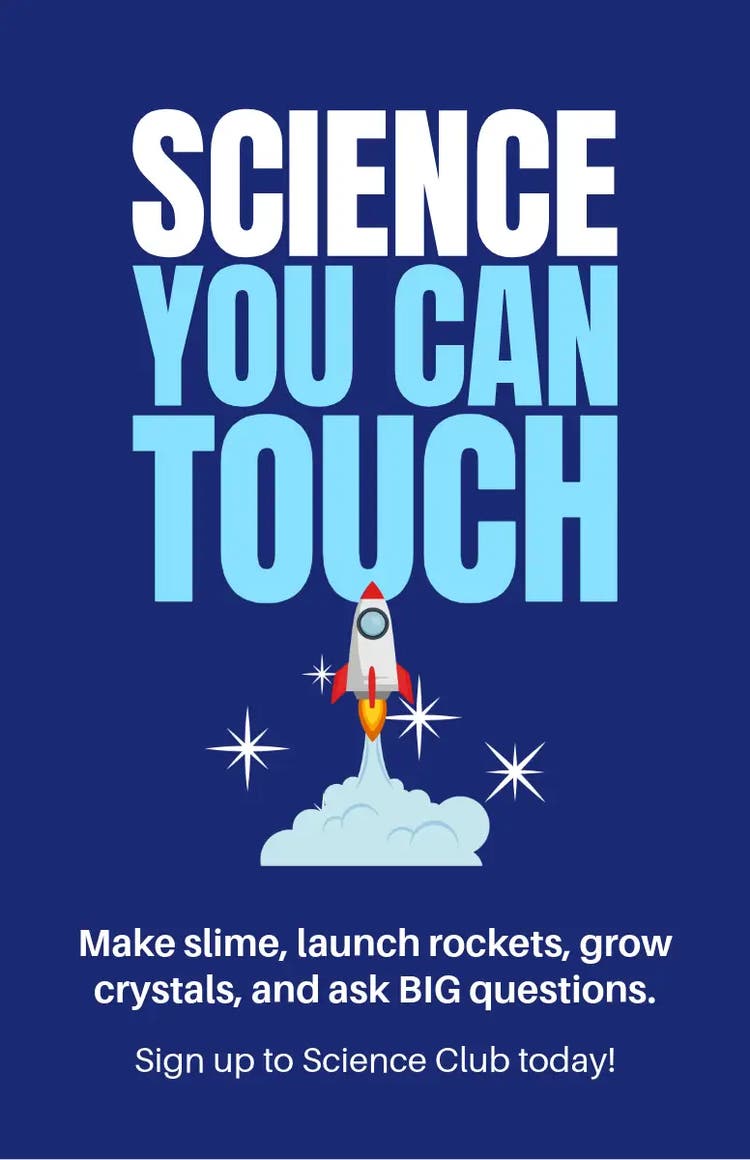
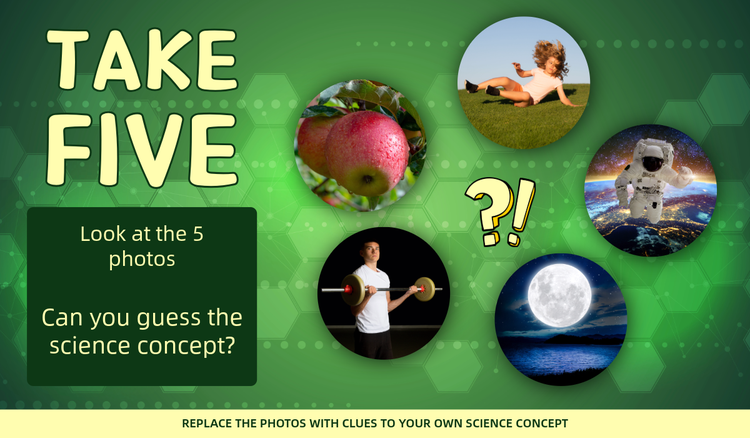
If you’re creating a science poster to advertise a science fair, keep your message clear and make sure to include relevant details like dates and times and location information. For a science poster that celebrates scientific discoveries, theories, or individuals, sometimes less text is better, allowing the visuals to tell the story. Design also plays a big part. If a poster is too busy or hard to read, people will quickly lose interest. Use easy-to-read fonts, consistent colours, and plenty of white space to give your content room to breathe. If you're creating for a brand or school event, use colours and logos that match their identity.
With Adobe Express, you can design a polished, well-structured poster with ease. Explore templates, experiment with layouts, and craft something that truly stands out.