
.

Balance timeless type and a contemporary vibe with Modern Retro Serif

Adobe Express
04/01/2026

When making design choices, many brand marketers feel pressured to choose between extremes — new or old, whimsical or dignified, quirky or trustworthy. But there’s a growing appetite to find the right balance without going to extremes.

Modern Retro Serif, an Adobe 2026 design trend, is that balance — it doesn’t force you to choose. This font-centric trend is able to find common ground between the extremes. It elevates your brand’s personality — values, vibes, quirks, and all — without forfeiting a feeling of sophistication. By leaning into the tension between opposites, you can carve out a unique middle path, creating stunning designs that evoke nostalgic luxury while giving your brand’s personality room to breathe.

Overview

Modern Retro Serif, explained

As the name suggests, Modern Retro Serif places the focus on serif fonts — those featuring decorative strokes on the ends of letters, making them feel traditional, trustworthy, and handmade — but it’s about more than just typography.

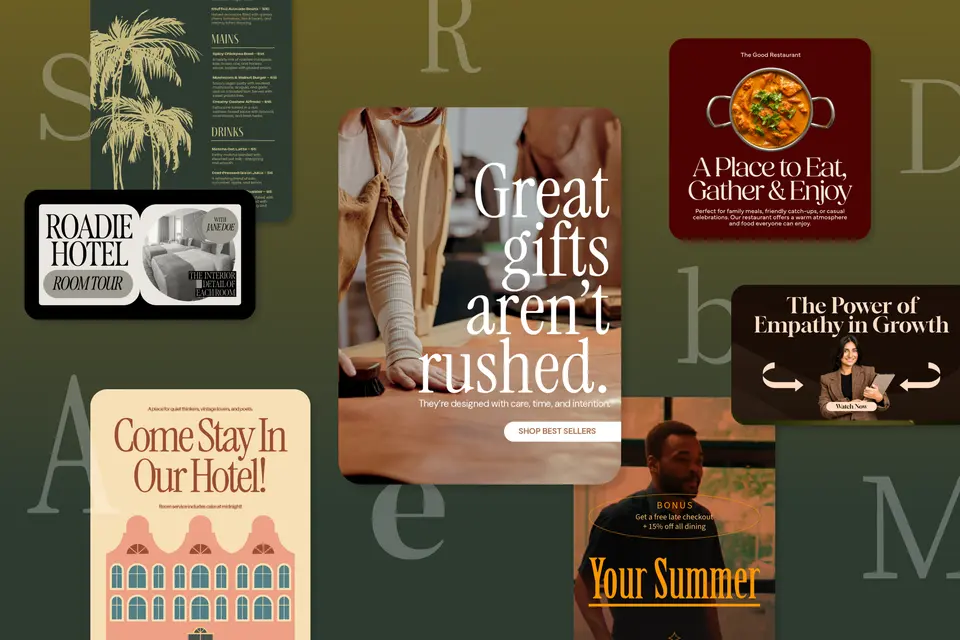
To many, serif fonts feel “retro,” having peaked in popularity in the late 1900s before being supplanted by the digital-friendly, “modern” sans serif style. Modern Retro Serif surprises the viewer by blending elements of the old and the new, juxtaposing the elegance of classic serifs against fresh design elements that are energetic and contemporary. By innovating with the severity, slant, and line weight of serifs — and surrounding the text with bold photos, colors, textures, and borders — designers can create something truly captivating.

Examples include a fragrance company placing a stately serif font against a mist of lavish perfume or a leatherwork shop setting a punchy, hip headline in a traditional font that evokes artisan craftsmanship.

Warmer, muted tones — including mood-boosting hues like sage, sea green, burnt orange, chestnut, and even classic pink and beige — work especially well here. Lighting, be it a spear of sunlight across a product photo or the brightness of a background or border, calls attention to your design’s focal point.

A particular strength of this trend is how it employs juxtaposition, placing surprising elements next to each other and discovering visual intrigue in the comparison. Modular grids and split screens can create unexpected connections that draw the viewer in — or stark contrasts that hold your audience’s attention for a moment longer.

Modern Retro Serif is tremendously versatile. It’s suited to the development of an entire brand ecosystem, from logos and landing pages to pitch decks and social ads.

If you’d like to come across as dependable and principled, draw from the staying power of fonts like Times New Roman, Georgia, or Cambria. If your brand has an eccentric edge to it, explore a less common font like Chonburi or Kyiv Type Serif — or even design a custom serif typeface (check out our 2025 trend Chrome and Fringe for inspiration).

Why the sophistication of serif fonts matters right now

These days, a friendly but utterly forgettable sans serif font could be hiding in plain sight. Many leading brands, especially in tech, adopt a sans serif typeface without even considering serif options, and they often lean into hyper-minimalism while doing it.

Modern Retro Serif can help your brand make an inviting first impression. It’s an avenue toward authenticity, a way to deliver inspiring designs to audiences hungry for personality, not just clarity.

While this trend isn’t exclusively for hospitality brands, it’s an especially good fit for hotels, resorts, and other luxury getaway providers. Framing your headline with a photo of a premium hotel room or a sparkling beachfront can transport your audience to a world of richness and relaxation.

How to strike the right balance between modern and retro

A useful motto for this style is “Everything in its place.” Haphazardly combining elements from opposite extremes can disorient your viewer — so it’s important to establish a clear visual hierarchy.

Whether you lead with a gorgeous photo or a punchy headline, the rest of your design should fall into form behind it. A design hierarchy allows attention to flow naturally across your design.

If your work features people, choose subjects that integrate cleanly with the design’s aesthetic. That means making thoughtful, on-brand visual choices when doing a photoshoot or carefully selecting subjects from a stock library. Remember, if you love an image but the details aren’t quite right, you can use an AI tool to fine-tune things like backgrounds, colors, shadows, and more.

Modern Retro Serif in action

Because it centers on serif fonts with a contemporary twist, Modern Retro Serif might seem like a niche trend — but it makes space for virtually any brand.

Offering consulting services? Earn trust with a classic serif typeface, perhaps set against exciting imagery that defies your audience’s expectations. Organizing hiking tours? Sharpen your serifs to invoke jagged slopes and the joy of a brisk alpine journey. Showcasing your next stand-up comedy gig? Let the letters loop lazily into one another, reflecting your unique brand of humor without tipping into downright goofiness.

As with any trend, what matters most isn’t rigidly defining what counts and what doesn’t. What matters is how it comes to life — and only you can dream up that perfect combination of modern and retro that’ll capture your brand’s essence and lead to something beautiful.