Inspiration in the color fuchsia.
Learn the history and meaning of the color fuchsia, the powerful pinkish purple that adds excitement everywhere it goes.
Explore more colors.
How to use the color fuchsia.
Information about fuchsia color.
The fuchsia HEX code picker is #FF00FF. This is the vibrant pinkish-purple that instantly turns heads.
The color fuchsia can be achieved in a RGB space with 255 red, 0 green, and 255 blue. Fuchsia color can be achieved in a CMYK color space with 41% cyan, 78% magenta, 0% yellow, and 0% black.
Tap into the psychology of fuchsia color.
Combine fuchsia with other colors.
How fuchsia color is used.
The color fuchsia versus magenta.
Color specs
What is the meaning of the color fuchsia?
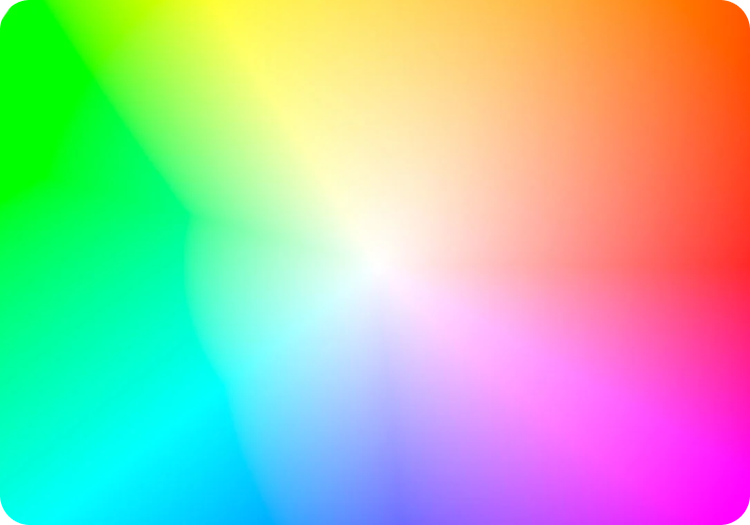
Fuchsia color is the brightest pink-purple. It has its place on the color wheel between the two, but in optics the color fuchsia has no visible wavelength. In computer science and graphic design, fuchsia color shares its hex code with magenta. In art and fashion, however, fuchsia is its own color that evokes romance, excitement, happiness, and achievement.
The color fuchsia is more vibrant than pink but warmer than purple. It’s the fraternal twin of magenta, deceivingly identical but with its own history and chemistry to share.
The history of fuchsia color.
The fuchsia flower was named after a late German botanist.
The fuchsia genus of flowers are shrubs and small trees that produce beautiful flowers to admire, flaunting external petals in bright fuchsia color. In the colonial era in the Americas, a French botanist named Charles Plumier studied the fuchsia flowers in the Caribbean. He named the whole genus after a famed German botanist named Leonhart Fuchs (1501–1566).
The era of aniline dyes and the role of the color fuchsia.
Before the mid-1800s, all dyes were made from natural materials. There had long been a quest for synthetic dyes, especially for colors like blue and purple that could be more expensive than gold. The discovery of fuchsia color pigment came early in the aniline era. It was invented by a French chemist and patented in 1859. The original name for the dye was fuchsine, also inspired by the German botanist Leonhart Fuchs. The dye was renamed, however, to “magenta” that same year.
The color fuchsia was reintroduced as something different from magenta.
By the end of the 19th century, the fuchsia color name was reintroduced as its own thing. This time, the color was named after the fuchsia flower. Today, the RGB color model used for television and computers shows fuchsia and magenta as the same color. In the CMYK color model for print, however, fuchsia is more purplish while pure magenta appears redder.
The color fuchsia across different cultures.
Fuchsia flowers in Central and South America.
The fuchsia flower genus is native primarily to Central and South America. There are 12 sections of 108 species of this sumptuous bloom. Fuchsia color petals spread wide to cup around the flower’s interior petals of another color, usually white. The stamens then reach out from the center of the flower, stretching so far that they’re visible from any angle.
Fuchsia color in crayon culture.
The 1949 box of Crayola crayons marked the beginning of a more scientific era. The names of crayon colors were updated according to a new color naming system. The crayon that today is the web equivalent of the print color fuchsia was named “reddish purple.” In 1972, a similar crayon color was introduced called “hot magenta,” which became the closest equivalent to RGB fuchsia.
Fuchsia in color psychology.
The color fuchsia is considered welcoming and friendly. Its use evokes feelings of acceptance and safety from confrontation. Fuchsia color is expressive, and its hue instantly draws attention. When contrasted with cool blues, the color fuchsia promotes relaxation, intuition, and reflection.
Get inspired with fuchsia design templates.
The color fuchsia offers a beautiful pink-purple way to get instant attention.