
Local Flavor, explained
Why authentic design matters right now
How to deliver authentic, impactful designs
Local Flavor in action
Today, you can swipe through landmarks in Rome, watch a vlog from a content creator in Kyoto, and find the best restaurants in Mexico City without moving an inch — but for most people, that isn’t enough. Most of us want to get our toes in the sand, in search of something new, something real. Even with the world at our digital fingertips, we’re itching to pack a bag and experience it in real life for ourselves.
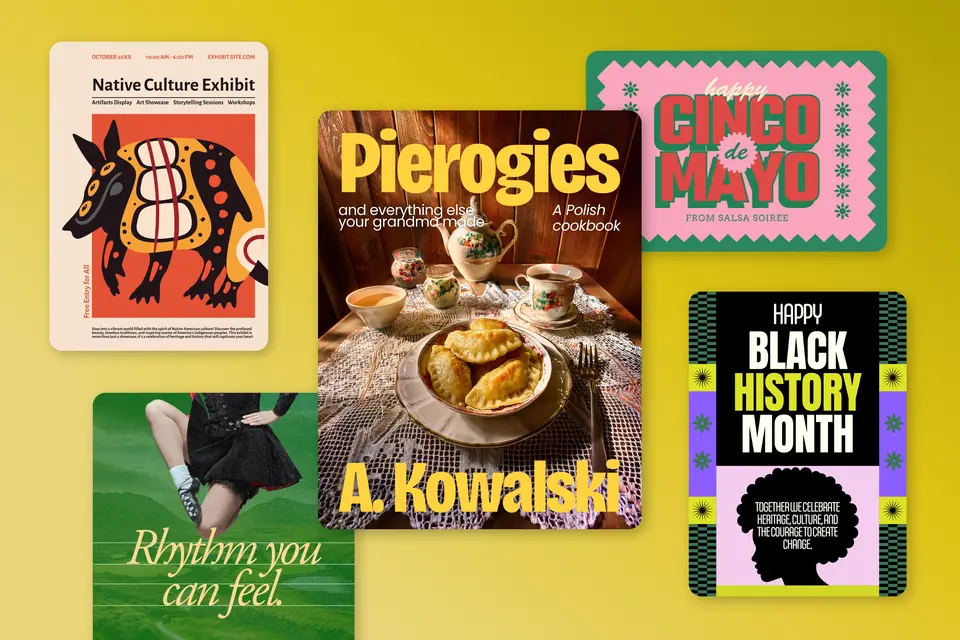
This feeling of authenticity is what Local Flavor, one of Adobe’s 2026 design trends, is all about. Celebrating cultures, elevating diverse communities, expanding our worldview, and above all, keeping designs refreshingly real. In an era when audiences are starved for authenticity, Local Flavor delivers.
Local Flavor, explained
As a trend, Local Flavor favors low-contrast, minimal fonts that integrate naturally with the design, instead of overpowering it. Think of how an artisan practices their trade — patiently, with a deep appreciation for their craft. Hand-rendered or letterpress-inspired typography can evoke this same level of craftsmanship, resulting in designs that feel homemade rather than mass-produced.
recipe
recipe
Just as Lodgecore Softness, one of our 2025 trends, tapped into earthy textures and tones, Local Flavor draws inspiration from the environment, often featuring elements of sand, stone, bark, or foliage. A specialty deli hosting a high-end event might showcase locally sourced ingredients on its promotional flyer. A museum advertising an exhibit on Indigenous American history could draw from the natural splendor and abundance of a tribe’s home region.
recipe
recipe
Ultimately, Local Flavor is a trend rooted in understanding the world around us. If your design honors a culture and its people in the most authentic way possible, you’ve captured the essence of the trend. Better yet, you’ve earned your audience’s trust through genuine, respectful design.
recipe
recipe
Why authentic design matters right now
As screen time soars, many people are doing a 180 and taking their lives back offline.
By highlighting actual people and communities in their native environments, this trend helps us combat the mood of digital distrust.
recipe
recipe
Visual elements can help you tell your story, bridging heritage with the present in an engaging and even surprising way. Collaged photography is a powerful tool for conveying a culture’s richness, vibrance, and ethos.
If you aren’t able to snap some shots yourself, collaborate with a friend in the area or hire a local professional.
recipe
recipe
How to deliver authentic, impactful designs
Whether you’re drawing inspiration from your own culture or immersing yourself in another, here’s a hint for crafting designs that work: Look around you.
Notice the features of the environment, the colors and textures on the rooftops and walls. Watch how people interact, then close your eyes and listen to the music, laughter, or an animal’s distant cry.
These are the things that shape a culture. And they’re sure to ground — and invigorate — your design process.
recipe
recipe
Another great way to concoct real, dynamic designs is to connect with a local or a group of locals. Learn what their cultural identity means to them and consider how you can build bridges between that identity and what your brand stands for. This exercise creates alignment between your business and your audience.
recipe
recipe
Local Flavor in action
Local Flavor is a trend for everyone. It’s a fantastic fit for restaurant owners, guided tour operators, museum directors, and interior designers — but you don’t have to be involved in travel or a curator of culture to try it out.
A tech company that supports housing assistance agencies could amplify the voices and stories of the unhoused people it serves. A therapist specializing in culturally responsive approaches could fill their Instagram feed with educational posts emphasizing the experiences of people from different groups. A niche hair salon could showcase traditional hairstyles that align with their own culture and that of their clientele.
What’s important is that, as you create, you always bring it back to the people — the real, relatable, wonderful people that make a culture unique.