



13 Creative poster ideas for design inspirations.
Explore some of our favorite poster designs to ignite your imagination for your next poster project.
1. Create synergy between text and graphics.
A strong poster balances imagery and typography. Consider how text interacts with background visuals—does it enhance or distract from the message? Strategic placement of typography can add dimension and direct the viewer’s eye through the design.
Collection ID
(To pull in manually curated templates if needed)
Orientation
(Horizontal/Vertical)
Width
(Full, Std, sixcols)
Limit
(number of templates to load each pagination. Min. 5)
Sort
Most Viewed
Rare & Original
Newest to Oldest
Oldest to Newest
Premium
(true, false, all) true or false will limit to premium only or free only.
2. Use icons and graphics creatively.
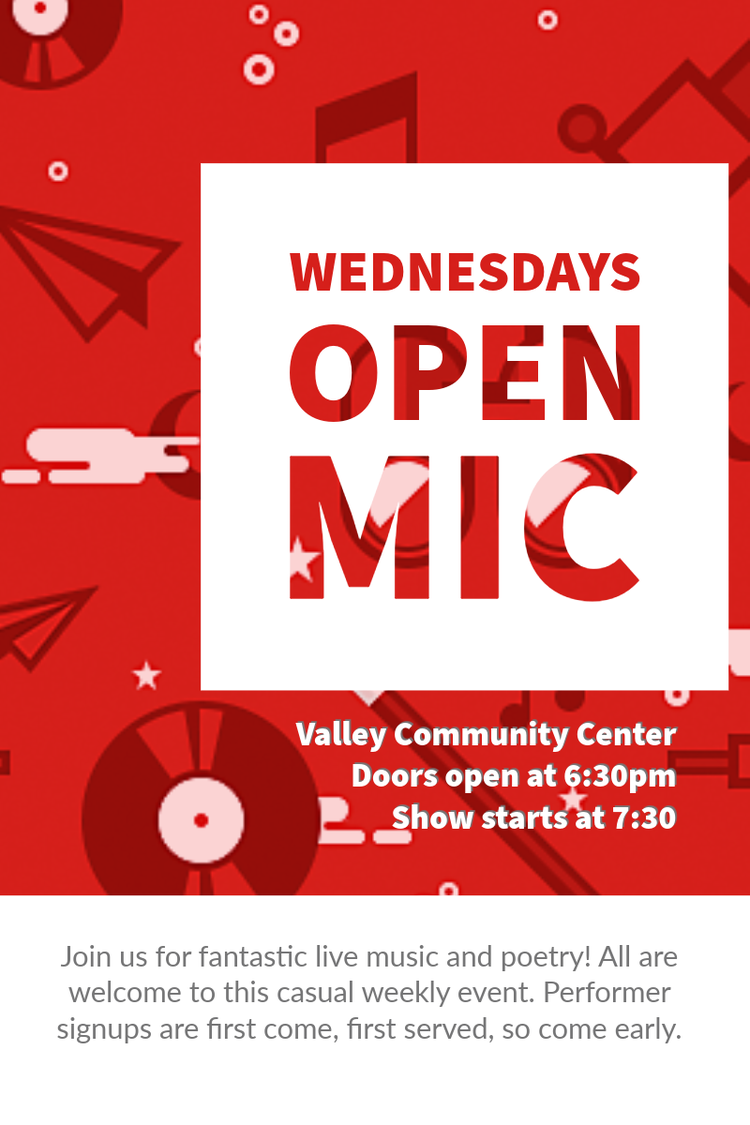
When professional photography isn’t available, icons, illustrations, and vector graphics can serve as compelling visual elements.
Try these approaches:
- Scale up icons as bold background elements.
- Arrange multiple icons to form patterns or shapes.
- Experiment with negative space by integrating icons with text.
This technique allows for unique, minimalist designs that stand out.
Collection ID
(To pull in manually curated templates if needed)
Orientation
(Horizontal/Vertical)
Width
(Full, Std, sixcols)
Limit
(number of templates to load each pagination. Min. 5)
Sort
Most Viewed
Rare & Original
Newest to Oldest
Oldest to Newest
Premium
(true, false, all) true or false will limit to premium only or free only.
3. Leverage vibrant, attention-grabbing colors.
Color is one of the most powerful tools in poster design. Bright hues evoke energy, while muted tones can create a more elegant or professional aesthetic.
Consider:
- Complementary color schemes for high contrast.
- Monochromatic palettes for a sleek, modern look.
- Gradient backgrounds to add depth and movement.
Select colors that align with your message and brand identity.
Collection ID
(To pull in manually curated templates if needed)
Orientation
(Horizontal/Vertical)
Width
(Full, Std, sixcols)
Limit
(number of templates to load each pagination. Min. 5)
Sort
Most Viewed
Rare & Original
Newest to Oldest
Oldest to Newest
Premium
(true, false, all) true or false will limit to premium only or free only.
4. Experiment with creative object placement.
Transform everyday objects into visual storytelling tools.
For example:
- Overlay bold typography onto an image for a dynamic layered effect.
- Create text-based designs where words form part of the overall visual composition.
- Arrange imagery in unexpected layouts to capture attention.
Encouraging unconventional placement can lead to fresh, artistic designs.
Collection ID
(To pull in manually curated templates if needed)
Orientation
(Horizontal/Vertical)
Width
(Full, Std, sixcols)
Limit
(number of templates to load each pagination. Min. 5)
Sort
Most Viewed
Rare & Original
Newest to Oldest
Oldest to Newest
Premium
(true, false, all) true or false will limit to premium only or free only.
5. Incorporate symmetry and balance.
Symmetry naturally draws the eye and creates a sense of stability.
Ways to apply symmetry:
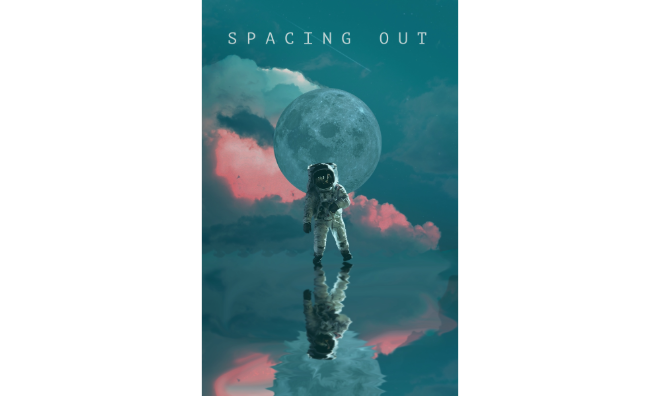
- Mirrored reflections of images or shapes.
- Split layouts, where elements on one side balance those on the other.
- Radial symmetry, with design elements radiating from a central point.
Symmetry doesn’t have to mean strict uniformity—playing with asymmetry can add excitement and intrigue.
Collection ID
(To pull in manually curated templates if needed)
Orientation
(Horizontal/Vertical)
Width
(Full, Std, sixcols)
Limit
(number of templates to load each pagination. Min. 5)
Sort
Most Viewed
Rare & Original
Newest to Oldest
Oldest to Newest
Premium
(true, false, all) true or false will limit to premium only or free only.
6. Utilize layers for depth and dimension.
Stacking images, text, and graphics adds visual interest.
Try these layering techniques:
- Overlay semi-transparent elements for a multi-dimensional look.
- Apply subtle shadows and highlights to create depth.
- Mix bold geometric shapes with softer textures for contrast.
Layers transform flat designs into compelling visual compositions.
Collection ID
(To pull in manually curated templates if needed)
Orientation
(Horizontal/Vertical)
Width
(Full, Std, sixcols)
Limit
(number of templates to load each pagination. Min. 5)
Sort
Most Viewed
Rare & Original
Newest to Oldest
Oldest to Newest
Premium
(true, false, all) true or false will limit to premium only or free only.
7. Structure text for maximum readability.
Posters often need to convey multiple pieces of information without feeling cluttered.
To optimize text layout:
- Use bold, high-contrast fonts for key messages.
- Break up large sections of text with shapes, dividers, or color blocks.
- Organize details hierarchically—headlines, subheadings, and body text should each have distinct visual weights.
This approach ensures viewers immediately grasp the most important details.
Collection ID
(To pull in manually curated templates if needed)
Orientation
(Horizontal/Vertical)
Width
(Full, Std, sixcols)
Limit
(number of templates to load each pagination. Min. 5)
Sort
Most Viewed
Rare & Original
Newest to Oldest
Oldest to Newest
Premium
(true, false, all) true or false will limit to premium only or free only.
8. Explore unique font combinations.
Typography is more than just words—it’s an integral part of design.
Pair fonts thoughtfully:
- Serif + sans-serif for a balance of traditional and modern.
- Script + bold uppercase for artistic contrast.
- Minimalist sans-serif for clean, professional aesthetics.
Select fonts that complement the tone and purpose of the poster.
Collection ID
(To pull in manually curated templates if needed)
Orientation
(Horizontal/Vertical)
Width
(Full, Std, sixcols)
Limit
(number of templates to load each pagination. Min. 5)
Sort
Most Viewed
Rare & Original
Newest to Oldest
Oldest to Newest
Premium
(true, false, all) true or false will limit to premium only or free only.
9. Maximize the power of infographics.
Posters are an excellent format for visual storytelling through infographics.
Consider:
- Using icons and illustrations to break down complex information.
- Creating charts and graphs to visualize data effectively.
- Highlighting key stats or quotes with bold typography.
Infographics help audiences absorb information quickly and memorably.
Collection ID
(To pull in manually curated templates if needed)
Orientation
(Horizontal/Vertical)
Width
(Full, Std, sixcols)
Limit
(number of templates to load each pagination. Min. 5)
Sort
Most Viewed
Rare & Original
Newest to Oldest
Oldest to Newest
Premium
(true, false, all) true or false will limit to premium only or free only.
10. Try a collage approach for visual impact.
Collaging offers a dynamic way to combine multiple images, graphics, and textures.
Types of collages:
- Symmetrical grids for a structured, organized look.
- Asymmetrical layouts for a creative, artistic feel.
- Layered image stacking to add depth and movement.
Collages are great for event posters, brand storytelling, and mood boards.
Collection ID
(To pull in manually curated templates if needed)
Orientation
(Horizontal/Vertical)
Width
(Full, Std, sixcols)
Limit
(number of templates to load each pagination. Min. 5)
Sort
Most Viewed
Rare & Original
Newest to Oldest
Oldest to Newest
Premium
(true, false, all) true or false will limit to premium only or free only.
11. Elevate advertising with custom posters.
Posters are an affordable and effective marketing tool.
For small businesses or personal brands:
- Feature high-quality product images to create visual appeal.
- Use branded colors and fonts for consistency.
- Add a strong call-to-action (CTA) to guide viewers toward the next step.
Posters can be used for social media, printed promotions, or in-store displays.
Collection ID
(To pull in manually curated templates if needed)
Orientation
(Horizontal/Vertical)
Width
(Full, Std, sixcols)
Limit
(number of templates to load each pagination. Min. 5)
Sort
Most Viewed
Rare & Original
Newest to Oldest
Oldest to Newest
Premium
(true, false, all) true or false will limit to premium only or free only.
12. Push boundaries with bold design choices.
A poster is a canvas for creativity—don’t be afraid to break traditional design rules.
Some bold techniques include:
- Stacked or rotated text for unconventional layouts.
- Large-scale typography as a design element.
- Unusual aspect ratios or framing to create intrigue.
These approaches can help posters stand out in a sea of ordinary designs
Collection ID
(To pull in manually curated templates if needed)
Orientation
(Horizontal/Vertical)
Width
(Full, Std, sixcols)
Limit
(number of templates to load each pagination. Min. 5)
Sort
Most Viewed
Rare & Original
Newest to Oldest
Oldest to Newest
Premium
(true, false, all) true or false will limit to premium only or free only.
13. Design just for fun.
Not every poster needs a commercial purpose.
Create posters for:
- Personal projects or creative expression.
- Inspirational quotes and affirmations.
- Gifts or decorations for home and office spaces.
Designing for fun is a great way to experiment and refine creative skills.
Collection ID
(To pull in manually curated templates if needed)
Orientation
(Horizontal/Vertical)
Width
(Full, Std, sixcols)
Limit
(number of templates to load each pagination. Min. 5)
Sort
Most Viewed
Rare & Original
Newest to Oldest
Oldest to Newest
Premium
(true, false, all) true or false will limit to premium only or free only.